Flexible Insulated Busbars: Technological Evolution and Application Insights in Electrical Connections
Mar 27, 2026
In modern electrical connection systems, flexible insulated busbars are gradually replacing traditional rigid busbars and cables, becoming a crucial component of high-reliability power transmission solutions. With the rapid development of new energy, electric vehicles, and energy storage systems, higher demands are placed on the safety, flexibility, and current-carrying capacity of electrical connections. Flexible insulated busbars, combined with Busbar Coating technology, have achieved significant improvements in structural design and electrical performance.
Core Technological Advantages of Flexible Insulated Busbars
Flexible insulated busbars employ a multi-layer thin electrolytic copper laminate structure. Through advanced manufacturing processes, the conductor layers possess a certain degree of slippage within the insulation system, resulting in excellent flexibility. This structural design supports large-angle bending, torsion, and spatial adaptability, significantly superior to traditional rigid busbars.
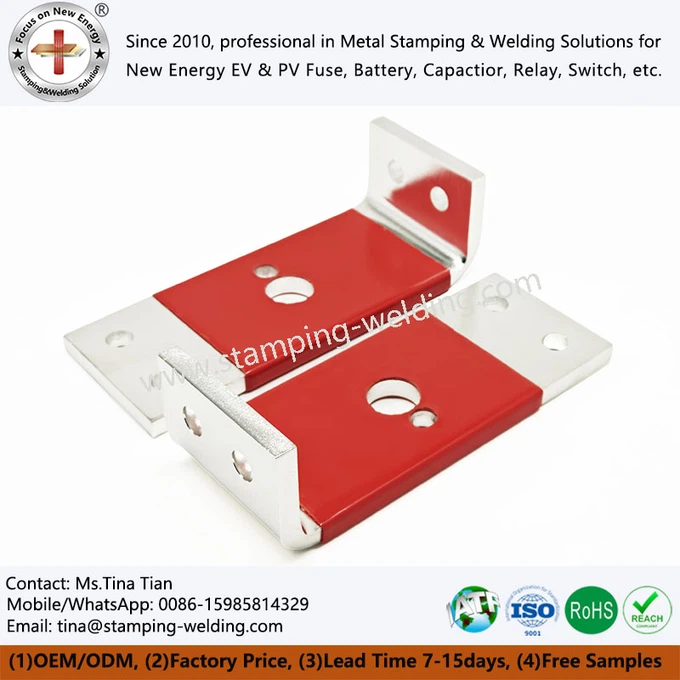
In terms of connection methods, flexible insulated busbars can achieve electrical connections through direct punching of conductors, reducing reliance on terminals and additional connectors. This not only reduces contact resistance and the risk of connection failure but also optimizes assembly efficiency. Building upon this foundation, the insulation consistency and environmental resistance of the conductor surface can be further improved by combining it with the Powder Coating Insulation Busbar process.
Furthermore, insulating materials typically possess high insulation resistance, self-extinguishing arc characteristics, and excellent heat resistance, providing greater safety redundancy in high-voltage, high-power applications. Combined with Epoxy Powder Coating Insulated Busbar technology, the overall stability of the insulation system can be effectively enhanced.
Structural Characteristics and Material System Analysis
From a materials perspective, the conductor of the insulated flexible busbar typically uses electrolytic copper with a purity of ≥99.9%, with options including bare copper or surface-treated copper to meet different conductivity and oxidation resistance requirements. In high-performance applications, Copper Bus Bar Epoxy Powder Coating technology is often used to strengthen the conductor's surface insulation.
Regarding the insulation layer, common materials include PVC and silicone systems, which possess excellent electrical insulation properties and mechanical strength. By optimizing the insulation layer structure design (such as internal wall microstructure treatment), the contact area between the conductor and the insulation layer can be reduced, thereby improving overall flexibility and service life.
At the process level, combining the Electroplating and Powder Coating Busbar technologies allows for integrated conductor protection and insulation, ensuring stable performance even under complex operating conditions.
Performance Advantages and Engineering Value
The insulated flexible busbar excels in several key performance indicators:
Firstly, in terms of current carrying capacity, the multi-layer copper conductor structure significantly enhances current carrying capacity while reducing the skin effect. Combined with the Busbar Insulating Coating Powder process, insulation reliability is improved while maintaining conductivity.
Secondly, in terms of heat dissipation, the uniform conductor layer distribution and optimized contact interface allow for rapid heat conduction and dissipation, effectively reducing the risk of hot spots. This is particularly crucial in high-power systems.
Furthermore, in terms of mechanical properties, its high ductility and fatigue resistance make it suitable for vibration environments or complex installation conditions. Enhanced surface protection through Epoxy Powder Coat Busbar technology further improves wear resistance and resistance to environmental aging.
Typical Application Scenarios
Insulated flexible busbars have been widely used in several high-end fields:
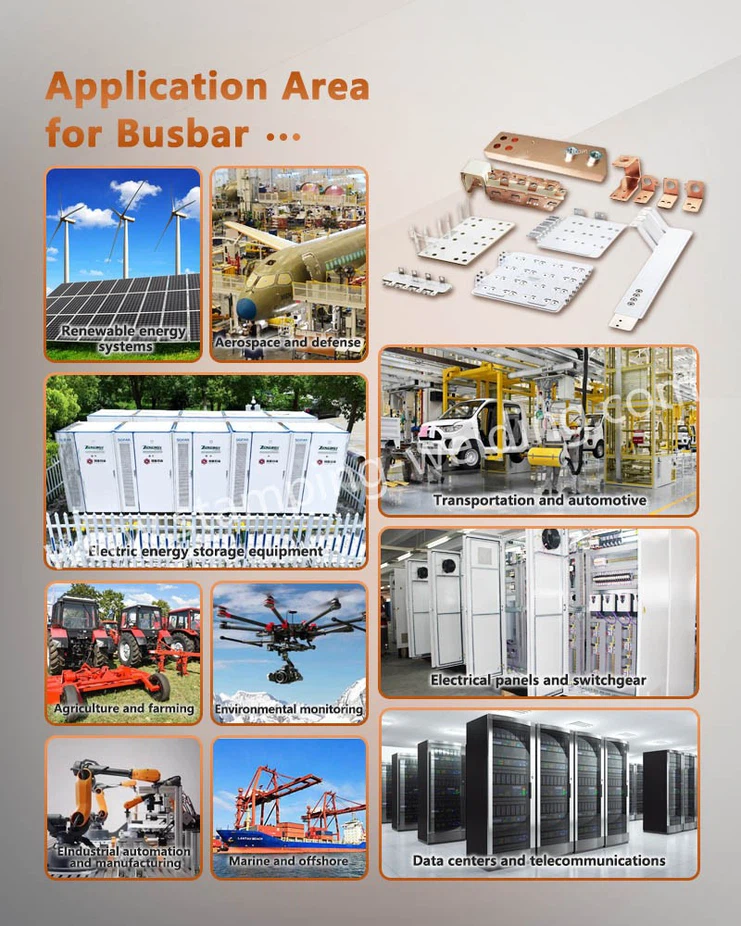
In the new energy and electric vehicle industry, with the development of high-voltage platforms, higher requirements are placed on the insulation and current-carrying performance of busbars. Combined with EV Busbar Powder Coating technology, the needs of high voltage, high temperature, and complex operating conditions can be met.
In power and distribution systems, insulated flexible busbars replace traditional cables and rigid busbars for use in distribution cabinets, power systems, and busbar connections, improving system integration and safety.
In energy storage systems and industrial equipment, their excellent flexibility and reliability allow them to adapt to compact space designs while reducing installation complexity. Through Busbar Coating with Epoxy Coating Powder technology, their long-term operational stability can be further enhanced.
Cost Structure and Overall Cost-Effectiveness Analysis
Although the initial purchase cost of insulated flexible busbars may be higher than traditional connection solutions, their advantages are significant from the perspective of total life cycle cost.
On the one hand, its high installation efficiency and lack of complex connection accessories reduce labor and assembly costs; on the other hand, its low failure rate and high reliability reduce maintenance costs and downtime risks. Furthermore, combined with Powder Coated Busbar technology, it extends product lifespan, thereby reducing overall operating costs.
Therefore, in industries with extremely high reliability requirements, such as new energy, power, and rail transportation, insulated flexible busbars offer a significant overall cost-performance advantage.
Key Considerations for Selection and Application
In the actual selection process, the following aspects should be emphasized:
First, the conductor material and cross-sectional area should be appropriately matched according to current carrying capacity and temperature rise requirements; second, the insulation system should be selected, choosing a material system with high insulation strength and environmental resistance, such as products using Busbar Epoxi Powder Coating technology.
In addition, manufacturing processes and quality control are equally crucial, including conductor lamination processes, insulation coating uniformity, and overall structural design. Customizable solutions can better adapt to complex application scenarios.
Conclusion: Technological Convergence Drives Busbar System Upgrades
As electrical systems evolve towards higher voltage, higher power density, and greater integration, insulated flexible busbars are gradually becoming the mainstream connection solution. Through integration with advanced surface treatment technologies such as Epoxy Power Coating Insulated Busbars, their safety, reliability, and design flexibility are continuously improved.
Connection Instructions for Our Product
Based on a deep understanding of electrical connection technologies, we focus on high-performance busbar system solutions, encompassing Insulation Coating Busbars, high-reliability insulation coatings, and customized conductor structure designs. Through mature Gold Plating Contacts and busbar insulation treatment processes, we can provide stable, efficient, and sustainable connection solutions for new energy, electric vehicles, and energy storage systems, meeting the long-term operational needs under complex conditions.
Contact Us