grp electrical enclosures Industry Knowledge Overview: Application Evolution from Traditional Materials to Composite Materials
Apr 24, 2026
Functional positioning and core value of equipment shells
In the modern industrial system, whether in the fields of machinery, electronics or the chemical industry, equipment shells play a vital role. It is not only the "coat" of the equipment, but also the first line of defense to ensure the safe operation of internal precision components. An excellent enclosure design needs to take into account physical protection, environmental isolation, electromagnetic shielding and aesthetic value. Especially outdoors or under harsh working conditions, the performance of the casing directly determines the life and reliability of the equipment. With the advancement of industrial design, the market's requirements for electrical cabinets and enclosures are no longer limited to simple shielding but have shifted towards higher protection levels, better heat dissipation performance, and a more user-friendly maintenance experience.
Analysis of the limitations of traditional metal and plastic casings
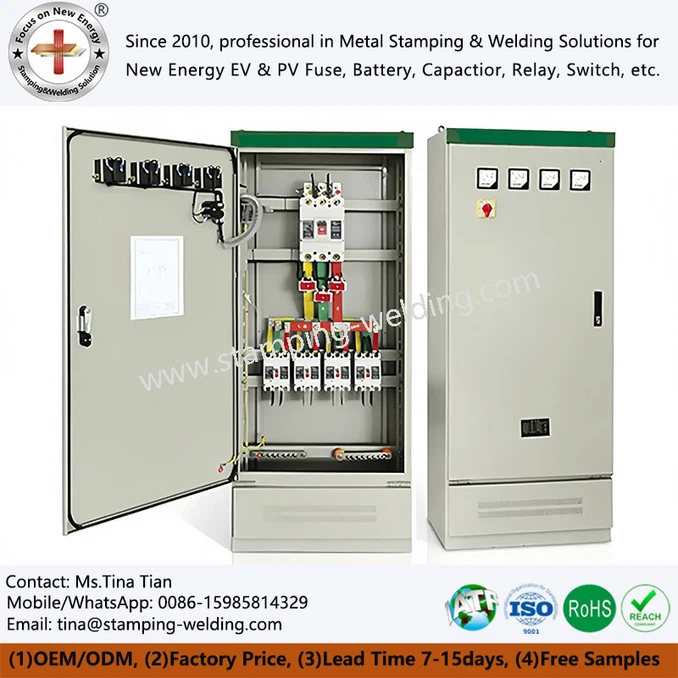
Metal and plastic have long been the mainstream materials for making device casings. However, in practical applications, these traditional materials gradually expose some disadvantages that are difficult to overcome. Although the metal shell has high hardness, it is too heavy, which significantly increases the difficulty of transportation and installation of the equipment. It is also prone to corrosion and rust in humid or acid-alkali environments, resulting in a decrease in protective capabilities. In addition, the high thermal conductivity of metal becomes a disadvantage in certain scenarios where constant temperature requirements are required. In contrast, plastic casings, although lightweight, often lack the strength and weather resistance to meet heavy-duty industrial needs. For metal electrical cabinets, the high anti-corrosion maintenance costs and relatively restricted styling design have prompted the industry to start looking for more cost-effective alternatives.
Manufacturing process and design freedom
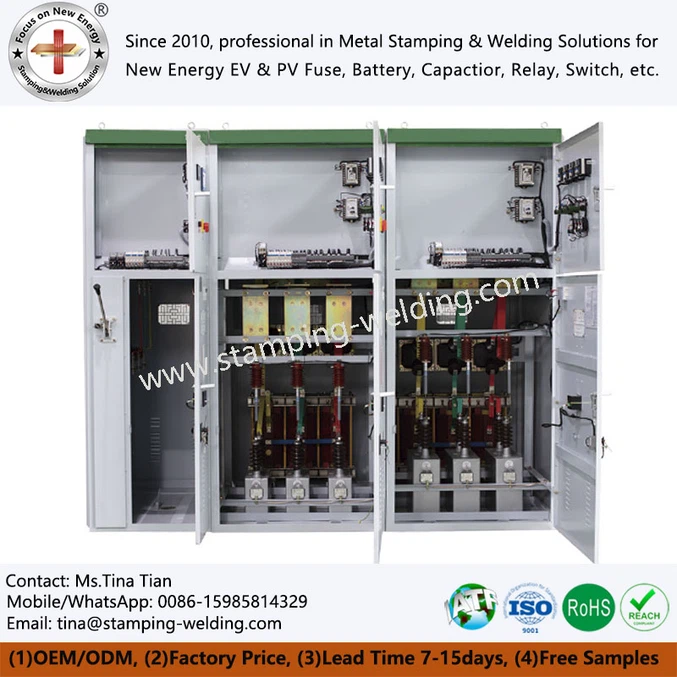
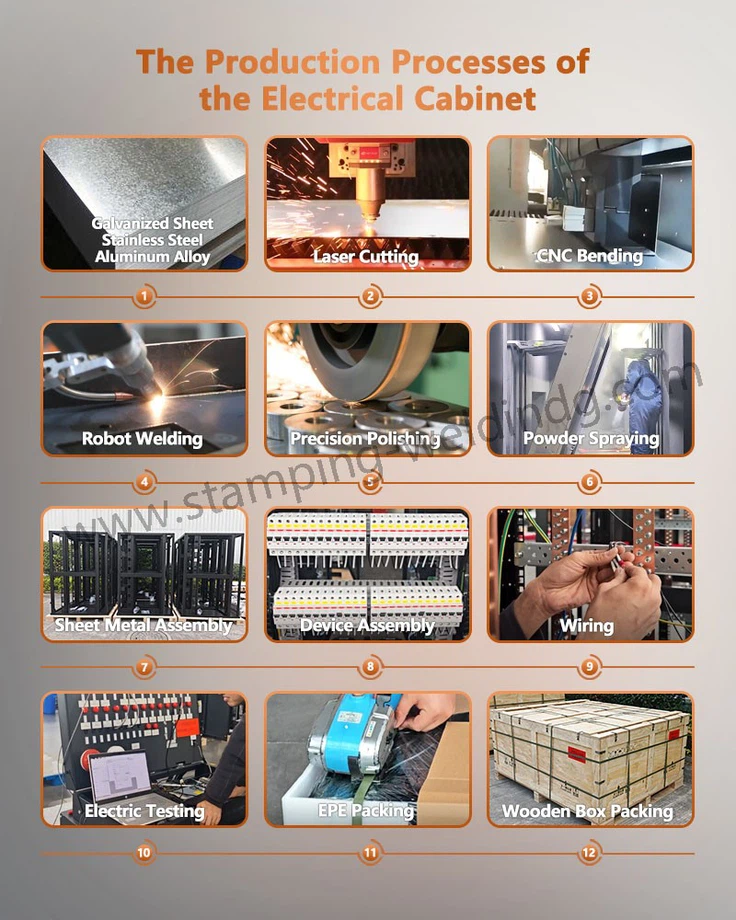
Unlike sheet metal, which is limited to stamping and bending processes, fiberglass shells usually use mold forming processes. This process has a high degree of design freedom and can easily realize complex curved surfaces, special-shaped structures and integrated molding, avoiding the risk of leakage caused by splicing gaps. Whether it is a streamlined switching outdoor weatherproof enclosure cabinet box appearance or a fuse cabinet with special mounting holes, they can all be accurately reproduced through molds. This flexibility not only meets the aesthetic needs of industrial design but also provides more possibilities for functional integration of equipment.
Industry Outlook
As new material technology continues to mature, the application fields of fiberglass shells are constantly expanding. From power facilities such as 400 amp ct cabinets to general industrial equipment such as electrical enclosure cabinets, fiberglass is gradually replacing traditional materials. In particular, grp electrical cabinet has become an important direction for industry upgrading due to its excellent comprehensive performance. In the future, as the protection standards for exterior electrical cabinets increase, composite housings will play a key role in more high-end manufacturing fields.
contact us
We focus on the R&D and manufacturing of high-performance composite housings and are committed to providing customers with one-stop solutions from design, mold development to finished product production. Our product line covers various types of grp electrical enclosures and customized protective enclosures, which can perfectly adapt to harsh outdoor and industrial environments. Welcome to contact us, we will provide the most professional product support and services according to your specific needs.