Modular Integrated Battery Storage Cabinet User Manual: Standardized Operation Guide from Deployment to Maintenance
Apr 26, 2026
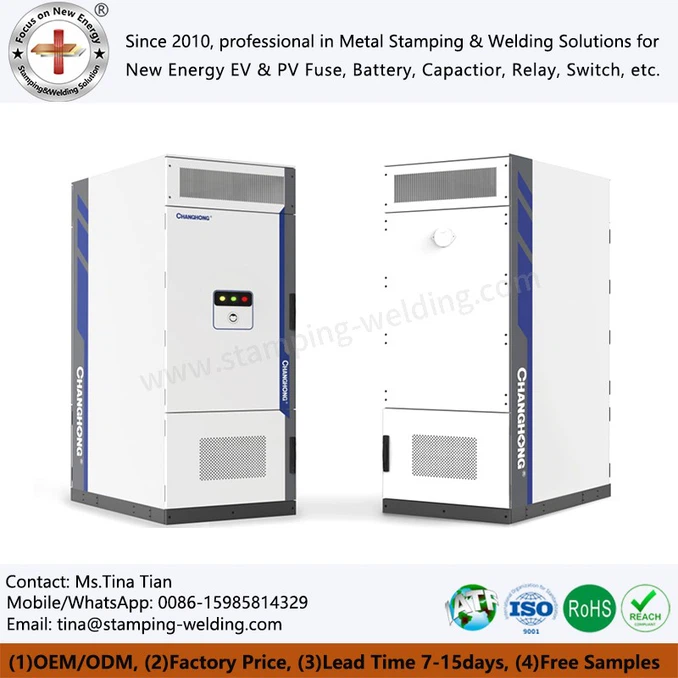
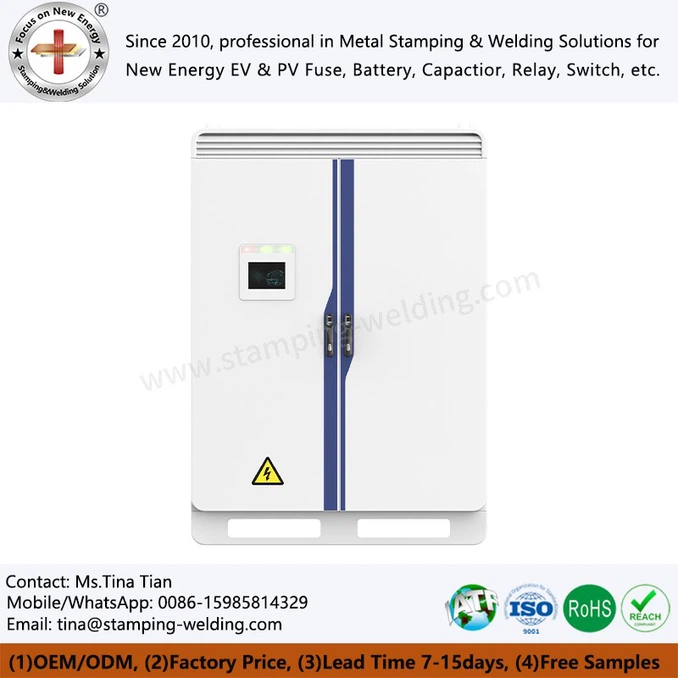
With the growing demand for rapid deployment, high security, and flexible expansion in the industrial, commercial, and residential energy storage markets, the Modular Integrated Battery Storage Cabinet has become a core component of distributed energy storage systems. This device highly integrates battery clusters, power converters (PCS), battery management systems (BMS), energy management systems (EMS), and auxiliary subsystems such as fire protection and temperature control within a single outdoor cabinet, enabling "plug-and-play" operation. The following instructions, guided by user manuals, outline the key points for the installation, configuration, operation, and maintenance of this type of product.
Installation and Deployment
- Site Selection and Foundation: The equipment should be installed in a well-ventilated, non-corrosive, and level outdoor or indoor location. Precast concrete foundations or metal supports are recommended, ensuring the cabinet is level and providing at least 800mm of maintenance access. For outdoor cabinet-type energy storage systems, ensure the protection rating (typically IP54 or higher) is not damaged during installation, and seal cable entry/exit holes with fire-retardant sealant.
- Modular Assembly: The product uses a stacked or parallel modular design. Common single-cabinet capacities range from 100kWh to 215kWh, such as the Customized 215kWh Integrated Air-Cooled Energy Storage Cabinet, which can be paralleled according to project capacity requirements. When paralleling cabinets, use the supplied copper busbars or cables to connect the DC bus and AC output lines as labeled. Battery clusters are connected via a Cell Connection System Cabinet (CCS Cabinet) for sampling and equalization, ensuring real-time monitoring of the voltage and temperature of each cell.
- Electrical Connections: The AC side should be connected to a 380V low-voltage power grid or the AC output of a photovoltaic inverter; the DC side, if connected to photovoltaic modules, requires a DC/DC converter. The grounding wire must be a copper conductor of at least 16mm² connected to the dedicated grounding point of the cabinet. After all wiring is completed, the insulation resistance must be tested with a megohmmeter (DC side ≥10MΩ, AC side ≥2MΩ).

Operation and Settings
- Pre-start checks: Confirm all internal connectors of the Lithium Iron Phosphate Energy Storage Battery Cabinet are secure and not loose; ensure the temperature control system (air-cooled or liquid-cooled) starts normally; and confirm the pressure of the aerosol or perfluorohexanone tank in the fire suppression system is normal. Close the DC circuit breaker of the battery cluster and observe the BMS display to confirm that the total voltage, individual cell voltage difference, and temperature difference are within the allowable range.
- EMS parameter configuration: Set the operating mode via the touchscreen or remote control:
- Peak shaving and valley filling: Set charging periods (e.g., off-peak electricity at night) and discharging periods (e.g., peak electricity during the day).
- Photovoltaic-storage linkage: Configure photovoltaic consumption priority logic.
- Backup power mode: Set the SOC lower limit (e.g., 20%) as the power backup threshold for the battery backup cabinet. After confirming all parameters, close the AC circuit breaker of the PCS; the system will automatically perform a soft start.
- Operation monitoring: During normal operation, the EMS of the Integrated Cabinet Commercial and Industrial Energy Storage Cabinet will record the charge/discharge amount, efficiency, and cycle count. Users can view real-time data through the cloud platform and set up alarm push notifications (such as over-temperature, communication interruption, insulation failure).
Maintenance and Security
- Routine Inspection: Weekly checks include cabinet door seals, cooling fan noise, and indicator light status. Monthly cleaning of air inlet filters; for air-cooled energy storage integrated cabinets, check for blockages in the air ducts and clean any accumulated dust. Quarterly thermal imaging checks of connection point temperature rise; temperature differences should not exceed 15°C.
- Battery Health Management: The BMS automatically performs passive equalization on the LiFePO4 Battery Energy Storage System Cabinet. If a battery cluster's voltage difference exceeds 100mV, manual equalization maintenance is required. A complete charge-discharge calibration (100%→20%→100%) is recommended every six months, recording the capacity decay rate.
- Emergency Handling: In case of fire alarm or abnormal tripping, first ensure no one is unoccupied, then disconnect the PCS and battery main switch. Use a CO₂ or aerosol fire extinguisher; water-based extinguishers are strictly prohibited. If electrolyte leakage occurs, wear protective gear, use absorbent pads to treat the leak, and contact professional personnel for assistance.
Precautions
- Do not place heavy objects on top of Modular Integrated Battery Storage Cabinet or obstruct ventilation openings.
- Ensure all maintenance operations are performed by a certified electrician; never plug or unplug high-voltage connectors while the circuit is hot.
- For long-term shutdowns, maintain the battery charge between 40% and 60% and disconnect the auxiliary power supply.
Contact Us
By following the standardized operating procedures described above, the Modular Integrated Battery Storage Cabinet can operate stably for over 10 years, providing efficient and safe power dispatching for industrial, commercial, and residential users. For detailed electrical drawings or customized configuration solutions, please contact our technical support team for personalized guidance.