Analysis of the process principle, core performance and industry application value of Heat Shrink BusBar
Jun 07, 2026
In high and low voltage power distribution systems and new energy power equipment, bar insulation protection is a fundamental aspect of ensuring the safe and stable operation of power systems. Heat Shrink BusBar, with its stable insulation performance, simple installation, and high adaptability, has become the mainstream insulation material for power conductor protection. Its core protective function relies on the properties of polymer elastic memory materials, and it is also a key supporting material for the insulation protection of various active conductors, widely used in various power busbar safety protection and renovation projects.
Basic principles
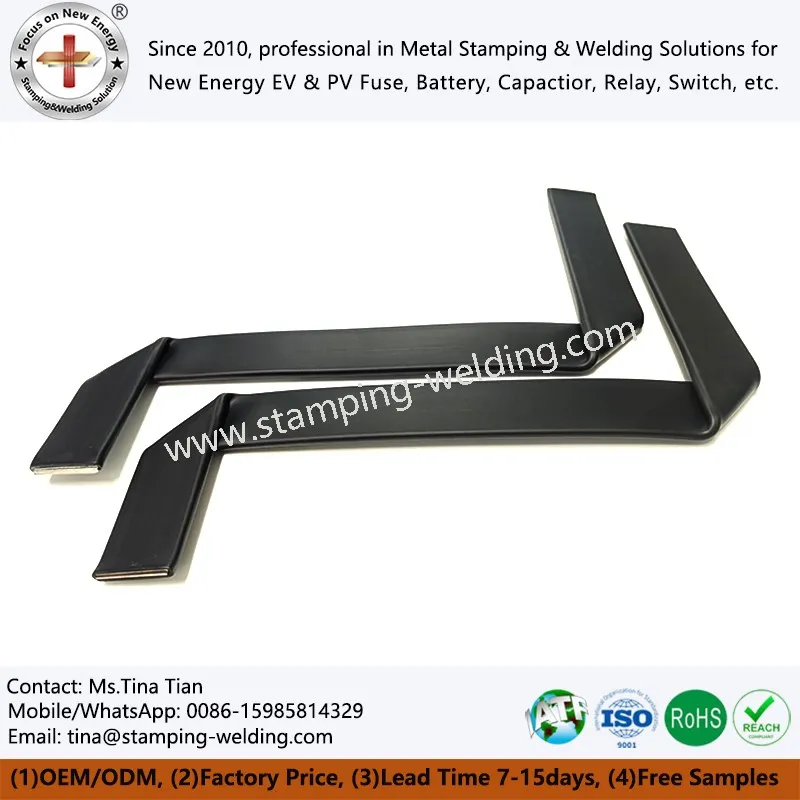
The core principle of heat-shrinkable busbar tubing stems from the reversible morphological change characteristics of polymers. This type of heat-shrinkable material uses a plastic linear polymer or polymer alloy as its base material. Through high-energy irradiation or chemical treatment, the polymer molecular chains are partially cross-linked to form a network structure, thus giving the material a unique elastic memory effect. The material can be heated and expanded to a specified size, then rapidly cooled and shaped. Under subsequent heating conditions, it can autonomously shrink back to its original shape and specifications before expansion, achieving a snug and protective wrapping effect. Heat-shrink tubing, manufactured using this technology, is a core tubing product category for the insulation protection of power busbars.
Deformation mechanism
Polymer materials exhibit different physical states depending on temperature, primarily falling into two categories: the glassy state and the elastic state. In the low-temperature glassy state, the material properties approach those of rigid plastics, while in the high-temperature elastic state, it possesses rubber-like flexibility. Conventional high-voltage busbar heat shrink tubing materials remain in the glassy state at room temperature, exhibiting a hard texture and fixed shape. Upon heating, it rapidly transforms into the elastic state, possessing stretchable and deformable properties. In industrial production, the tubing is heated to the elastic state and expanded by external force, then rapidly cooled and solidified to maintain its expanded shape and specifications. During on-site construction, reheating the tubing restores its elastic shrinkage properties, allowing it to tightly adhere to the bar surface and complete the insulation coating. Most mainstream Heat Shrink Tube Polyolefin Busbars on the market utilize this molding and application principle.
Core performance
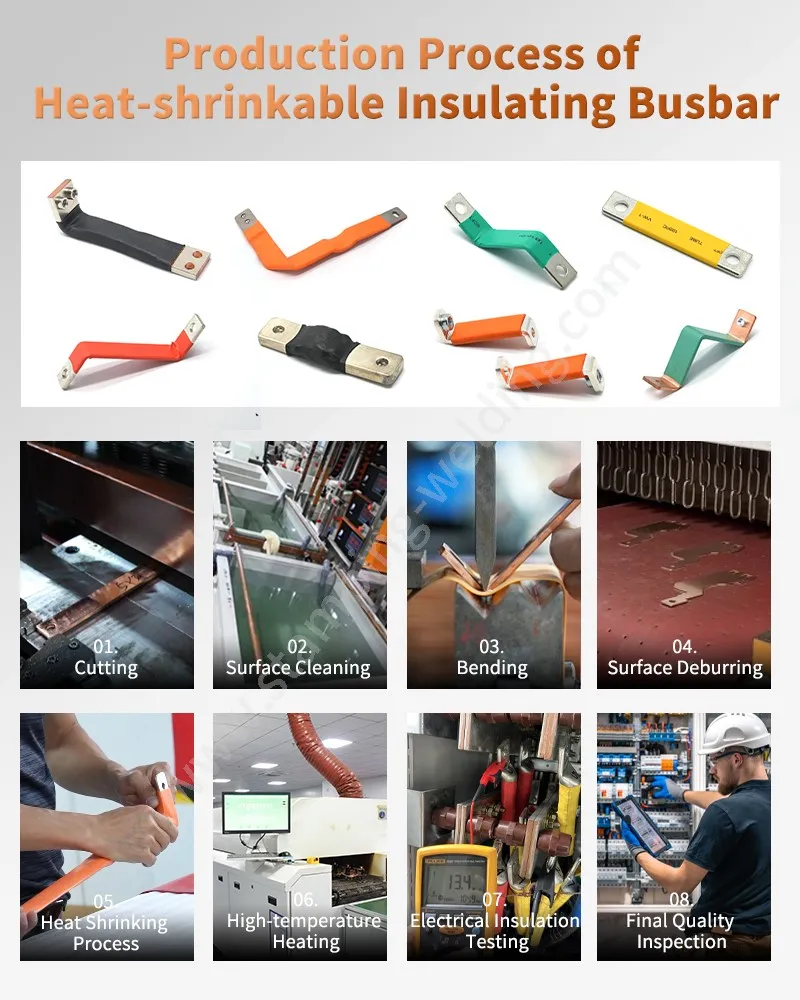
Currently, the industry-standard high-voltage busbar heat shrink tubing uses polyolefin as its core material, boasting excellent overall performance. It offers multiple advantages, including low-temperature shrinkage, flexibility, flame retardancy, insulation, and corrosion resistance, making it suitable for various power scenarios with different voltage levels, covering common voltage specifications such as 1KV, 10KV, and 35KV. Based on the voltage differences of the applicable scenarios, the tubing can be divided into two main categories: high-voltage and low-voltage. It features a smooth and flat appearance, convenient installation, and can meet the insulation protection needs of most active conductors. Among them, the Solid Insulation Tubing Bar, with its stable material properties, offers stable performance and high cost-effectiveness, making it a safe and reliable fundamental solution for busbar insulation protection.
Basic function
In practical power operation and maintenance scenarios, busbar heat shrink tubing has extremely high practical value, comprehensively mitigating various safety hazards during bar operation. Firstly, it effectively prevents short-circuit faults caused by small animals or foreign objects bridging the bar, reducing the risk of equipment downtime from the source. Secondly, the tubing possesses excellent corrosion and wear resistance, resisting corrosion from acids, alkalis, salts, and other chemicals, preventing damage to the bar's metal body and extending the service life of the bar equipment. Simultaneously, the complete insulation covering structure isolates exposed live busbars, eliminating the risk of electric shock during maintenance work and comprehensively ensuring the safety of maintenance personnel.
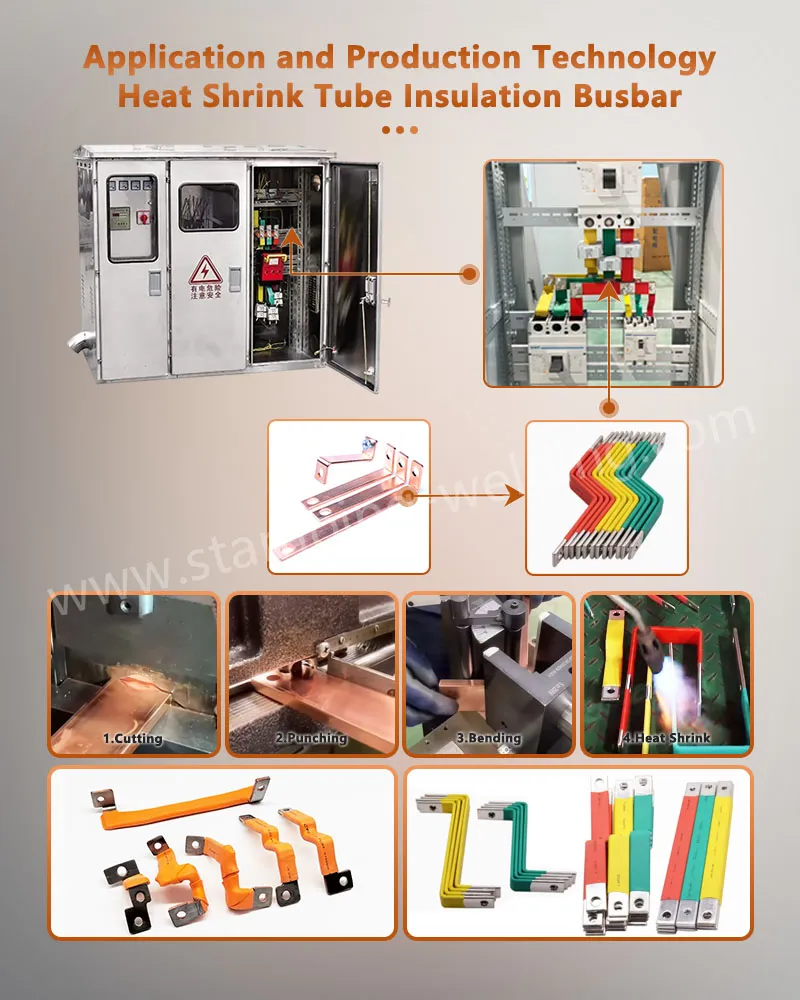
Application value
In addition, Heat Shrink BusBar can significantly improve the pollution resistance of bar systems, effectively preventing discharge accidents caused by ice and snow adhering to the bars and eliminating potential power operation hazards caused by severe weather. When paired with a heat-shrinkable creepage distance extension structure, it can compensate for the insufficient creepage distance of traditional porcelain post insulators, effectively preventing flashover tripping caused by pollution and condensation. Simultaneously, it completely solves the industry pain point of weak phase-to-phase insulation in bar trunking, significantly improving the operational stability and safety of high and low voltage power distribution equipment and new energy power equipment. It is a core material for lightweight and efficient insulation protection in power systems.
Contact Us
If you require a Heat Shrink BusBar insulation protection solution for high and low voltage power distribution and new energy battery equipment, please feel free to contact us. We can provide professional selection matching and customized support services.