Guide for standardized use and management of Electric Vehicle Charging Cabinet
Dec 30, 2025
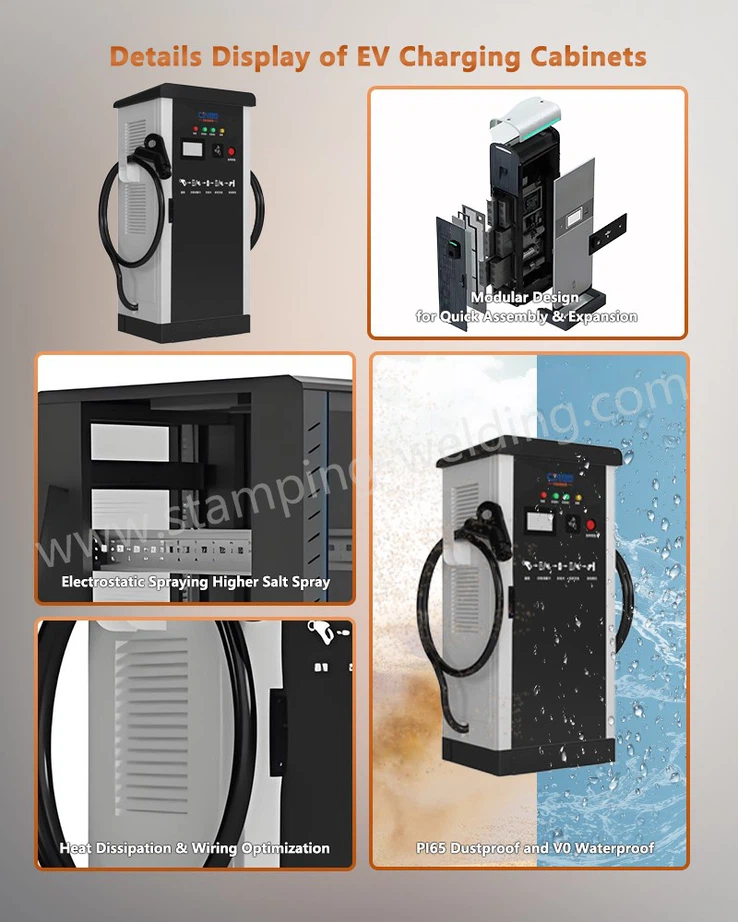
The Electric Vehicle Charging Cabinet is an integrated new energy solution combining charging hardware, energy oversight, safety protocols, and smart controls. Designed primarily to ensure efficient and secure power replenishment for new energy vehicles, it also features seamless compatibility with photovoltaic and energy storage systems. This versatility allows it to satisfy large-scale charging demands across diverse environments, ranging from commercial hubs and industrial facilities to logistics centers and public parking areas.
The standardized use and scientific management of Battery Storage Cabinets are the core prerequisites for ensuring charging safety, enhancing equipment service life, and maintaining orderly operation of charging stations. Whether it is charging users, on-site management personnel, or operation units, all are required to strictly adhere to the management requirements and operational norms throughout the entire process, and establish a full-chain safety assurance system encompassing charging operations, equipment maintenance, and emergency response.

Core operational norms
In terms of the core operational specifications for Electric Vehicle Charging Cabinet operations, drivers must strictly control every key step. After the vehicle is driven into the charging position, it must be stopped steadily, the power supply and auxiliary power supply must be cut off, the handbrake must be tightened, and personnel must ensure they are out of the vehicle before starting the charging operation.
Before charging, the integrity of the vehicle's charging interface should be carefully checked, and the connection status between the new energy charging pile and the vehicle, as well as the Floor-standing Charger, should be confirmed to be correct. After the charging is started, it is necessary to verify immediately whether the charging is normal, and regularly inspect the status during the charging process. If a safety accident occurs, the red emergency stop button should be pressed immediately to cut off the power supply.
During the charging period, it is strictly prohibited to start or move the vehicle, nor is it allowed to plug or unplug the charging plug while it is live, to avoid the risk of a short circuit or electric shock. At the same time, it is strictly prohibited to touch the charging gun interface and vehicle charging port with metal objects to eliminate potential safety hazards.
After the charging is completed, the driver needs to confirm that the charging has completely terminated, ensure that the charging equipment is physically separated from the vehicle before driving, and organize the charging cables as required and place them on the cable rack. The vehicle charging port and doors should be locked, and relevant data records should be made. In addition, drivers should actively master the structure of electric vehicles, the working principle of new energy charging piles, and the basic knowledge of Battery Charging Cabinet Power Management, and proficiently use charging operation procedures, equipment testing, fault diagnosis, and emergency handling methods to lay a solid foundation for safe charging.

Daily use and maintenance management
The daily use and maintenance management of Custom Battery Charging Cabinet is crucial for ensuring operational stability. Charging site administrators need to take on core responsibilities, regularly conducting comprehensive inspections of Standard Battery Charging Cabinet and supporting equipment, with a focus on checking the operational status of core components such as instrument data, charging modules, and circuit switches. At the same time, they must ensure that fire-fighting equipment, facilities, and devices are kept clean, dry, intact, and effective, and keep detailed records of each inspection result. Routine cleaning of charging sites, equipment, and fire-fighting equipment should be carried out regularly, with debris and hidden dangers promptly removed to ensure that the equipment is always in good operating condition. If equipment malfunctions occur during the charging process, administrators should immediately press the charger's emergency stop button to contain the malfunction, then report to the technical department and have it repaired by professionals. It is strictly prohibited for non-professionals to dismantle or modify Stationary Battery Charging Cabinet and additional facilities without authorization, to avoid equipment damage or safety accidents. For charging users, it is necessary to strictly follow the operating procedures. If the equipment manufacturer has special charging requirements, priority should be given to following the manufacturer's specifications to jointly maintain the safe operation of the equipment.

Emergency response to unexpected events
When using an Electric Vehicle Charging Cabinet, emergency response capability serves as the last line of defense against extreme risks in case of emergencies. Charging facilities must establish emergency response organizations and develop contingency plans covering various scenarios such as fires, vehicle malfunctions, battery damage, combustion explosions, power supply system failures, electric shocks, equipment failures, power outages, and network disruptions. The contingency plans must adhere to the requirements of unified command and hierarchical responsibility, ensuring a robust organizational structure, adequate personnel and material resources, smooth communication, and prompt and accurate response actions. The core contents of the contingency plans should include clear organizational structures, personnel responsibilities, material reserves, event levels, reporting procedures, disposal methods, personnel evacuation, emergency medical aid, on-site protection, and aftermath handling. The emergency equipment involved in the contingency plans should be stored at designated locations, managed by designated personnel, and regularly inspected for material effectiveness.
Meanwhile, the charging facilities where Battery Charging Cabinets for Backup Power Systems are located should regularly conduct fire safety training and emergency drills to ensure that all personnel are familiar with fire safety knowledge, and are well-versed in the location, performance, and usage of fire-fighting equipment. At least once every six months, a comprehensive emergency plan training and drill should be organized for all personnel. Any issues identified during the drills should be promptly addressed, and the plan improved to enhance the practical ability of emergency response. Furthermore, the operating unit needs to establish a normalized safety inspection mechanism, organizing a comprehensive safety inspection once a month, and conducting special inspections based on seasonal characteristics and major holidays. Special personnel should be assigned to regularly maintain and service fire-fighting facilities and monitoring equipment to ensure that the fire suppression system and monitoring system are always in good and effective condition.
Contact Us