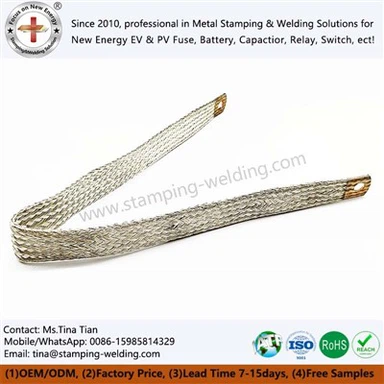
In-depth analysis of high-end conductive connection components: copper tinned busbar
Feb 25, 2026
Copper tinned busbar, also known in the industry as tin-plated copper bars, are conductive busbars made with high-purity electrolytic copper as the base material. A dense tin protective layer is formed on the surface through electroplating or hot-dip immersion processes. As a core conductive component in power transmission and distribution systems, tin-plated copper bars play an irreplaceable role in electrical connection scenarios due to the combined advantages of copper and tin. These conductive components combine the high conductivity of copper with the oxidation and corrosion resistance of the tin layer. Unlike bare copper bar, they offer significantly improved long-term operational stability and connection reliability, and are one of the mainstream surface treatment options for flat copper busbars.

Core performance advantages
The core value of tin-plated copper busbars lies in ensuring the long-term safe and stable operation of electrical systems. The tin layer on the surface of the tin-plated copper bar effectively blocks air and moisture, preventing the copper substrate from oxidizing and forming verdigris or copper oxide, maintaining stable contact resistance over the long term, and significantly extending the service life of the busbar. In electrical connections, the copper tinned busbar has superior surface wettability, significantly improving solderability and making welded connections stronger; at the same time, the tin layer is soft and can fill microscopic unevenness on the contact surface when bolts are tightened, increasing the effective conductive area and further reducing contact resistance. Although the conductivity of tin is slightly lower than that of copper, the extremely thin tin layer does not affect the overall conductivity efficiency; on the contrary, it can maintain efficient current transmission by inhibiting oxidation.

mainstream manufacturing processes
Currently, the industrial production of copper-plated tin busbars is mainly divided into two processes to suit different application scenarios: electroplating can deposit a uniform and smooth tin layer on the surface of the copper busbar, with high precision and good consistency, which is suitable for precision power electronic equipment and bar tinned copper products in control cabinets; hot-dip tinning involves immersing the copper bar into molten tin to form a thicker protective layer with stronger corrosion resistance, and is mostly used in power facilities in outdoor, high humidity, and high corrosion environments.

Typical application areas
With its high reliability and long lifespan, tinned copper busbars have been widely adopted in the power, new energy, and industrial equipment sectors. In traditional power systems, they are used for power distribution in power plants, substation main busbars, switchgear, and distribution cabinets. In the new energy sector, they are compatible with electric vehicle battery packs, chargers, photovoltaic inverters, and wind power systems. In industrial settings, they serve critical power distribution links such as large equipment, data center power distribution units, and energy storage systems, representing the area with the highest demand for tinned copper flat bars.

contact us
For more information on copper tinned busbar, related technical solutions, and products, please feel free to contact us. We will provide you with professional answers and support.