Internal structure of Liquid cooled energy storage cabinet and integration analysis of intelligent energy management system
Apr 30, 2026
Core internal structure
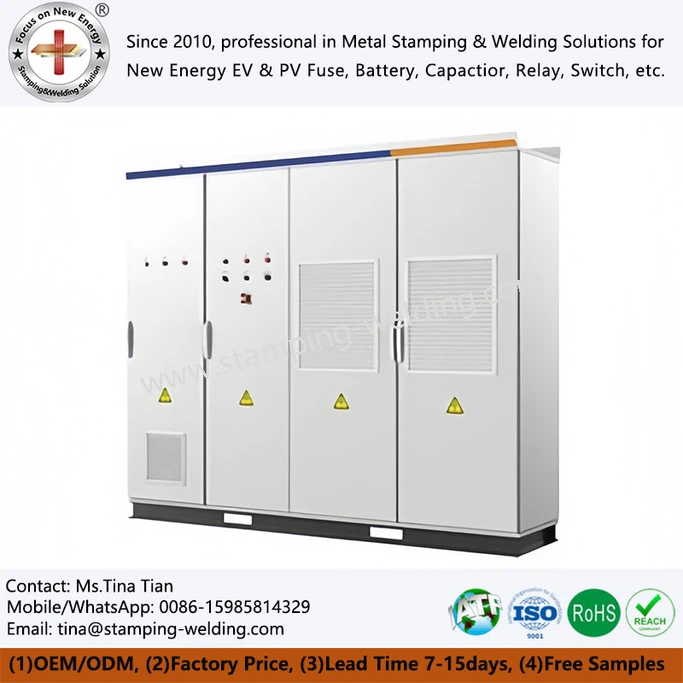
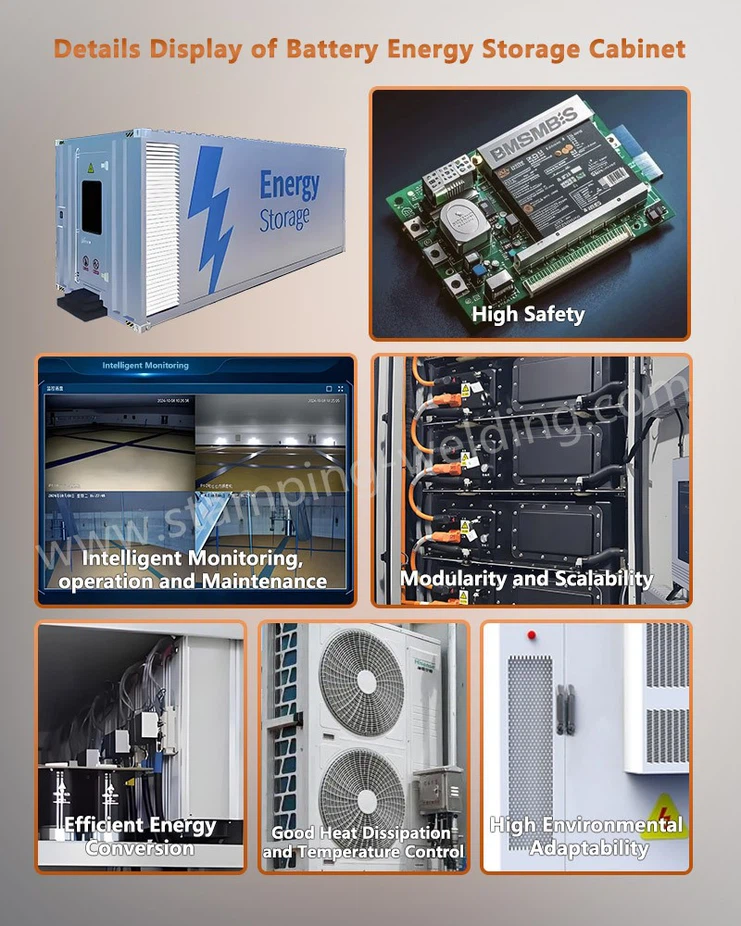
The internal structure of the Liquid cooled energy storage cabinet is designed around four core requirements: energy storage, conversion, control, and protection. It is composed of multiple functional modules that work together to ensure efficient and safe operation of the system.
The battery system is the core energy storage unit, composed of multiple battery modules combined in series and parallel to meet different voltage and capacity requirements. Common battery types include lithium-ion batteries, lead-acid batteries, etc. It is also equipped with a battery management system (BMS) to monitor battery voltage, current, temperature and other parameters in real time, achieve charge and discharge control and balanced management, and ensure battery safety and stable performance.
The inverter system of the Solar battery storage cabinet is based on a bidirectional converter (PCS), which is responsible for the mutual conversion of DC and AC energy. During charging, it converts AC power into DC power for battery energy storage, and during discharging, it inverts DC power into AC power to supply loads or integrate into the grid. It also has power regulation and power quality optimization functions.
Electrical equipment includes Pylontech US5000 cabinets, transformers, fuses, contactors, etc., responsible for energy distribution, voltage regulation, circuit protection, and on/off control. It is a key hub for power transmission in the system. The thermal management system consists of air conditioning, cooling fans, cooling pipes, etc. It uses cooling or heat dissipation methods to dissipate the heat generated by the operation of the battery and equipment, maintain the temperature inside the box within an appropriate range, and ensure the service life and operational stability of the equipment.
Intelligent Energy Management System (EMS) Integration Logic
The Intelligent Energy Management System (EMS) is the "brain" of the Liquid cooled energy storage cabinet, which achieves optimized scheduling and efficient operation of system energy through multi-dimensional integrated control. The core integration content covers four major aspects.
In terms of energy control strategy, EMS combines factors such as battery state of charge (SOC), grid demand, and load conditions to develop precise Battery energy storage cabinet charging and discharging strategies, achieving core functions such as peak shaving and valley filling, emergency power supply, and balancing energy supply and demand.
In multi device collaborative control, EMS coordinates various devices such as battery system, inverter system, thermal management system, etc., such as regulating the operation of cooling equipment based on battery temperature during charging, and adjusting inverter output parameters to ensure safe and efficient charging.
In terms of communication and data exchange, EMS achieves bidirectional data exchange with various devices inside the box, external power grid scheduling, and users through communication networks. It uploads device operation data for scheduling management, receives instructions to adjust the operating status of Pylontech energy storage cabinet system, and achieves user side energy optimization.
In terms of system optimization and fault diagnosis, EMS evaluates system performance by analyzing operational data, optimizes charging and discharging strategies to improve efficiency and extend equipment life, and has fault location and alarm functions to assist maintenance personnel in quickly troubleshooting and improving system reliability.

Typical application scenarios of energy storage containers
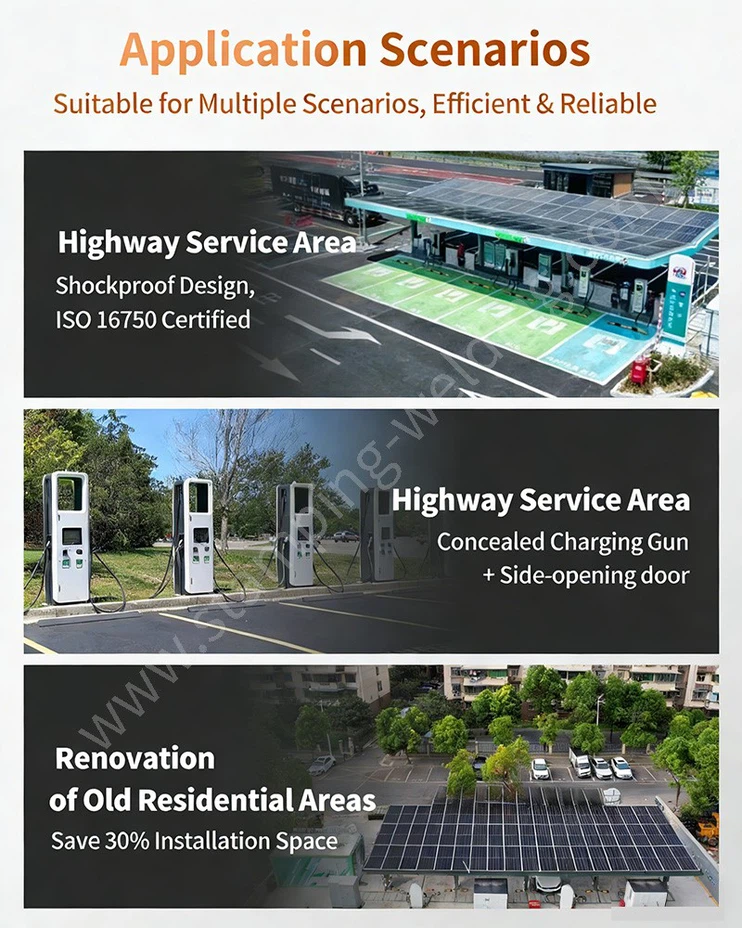
Relying on a comprehensive internal structure and intelligent management system, the Outdoor energy storage cabinet is adapted to meet the energy storage needs of multiple fields, and its application scenarios are constantly expanding.
In photovoltaic power generation systems, energy storage containers can store excess photovoltaic power generation, balance photovoltaic power generation and load demand, alleviate photovoltaic output fluctuations, and enhance the economic benefits and stability of photovoltaic power generation systems.
In wind power generation systems, excess energy during low peak periods can be stored to compensate for the insufficient output caused by wind speed fluctuations, reduce the impact of wind power on the grid, and improve the stability of wind power system grid connection.
In the field of power grid auxiliary services, Photovoltaic energy storage cabinets can participate in power grid frequency regulation and peak shaving tasks, quickly respond to changes in power grid load, optimize power grid operation efficiency, ensure safe and stable operation of the power grid, and serve as emergency power sources to provide continuous power supply support for critical loads in case of power grid failures.
The industry value of core technology integration
The integration of the internal structure of the Energy storage system cabinet and the smart energy management system has promoted the large-scale and intelligent development of energy storage technology, and has important industry value. The highly integrated internal design simplifies the equipment installation and operation process, reduces the construction and operation costs of energy storage projects, and adapts to energy storage needs of different scales and scenarios.
The precise control of the smart energy management system has achieved optimized energy scheduling, improved energy utilization efficiency, and ensured the safety and stability of the Outdoor cabinet energy storage system operation.
The synergistic effect of the two not only promotes the deep application of energy storage technology in clean energy consumption, power grid optimization and other fields, but also provides important support for the global energy structure to transform towards green and intelligent, helping to build an efficient, reliable and sustainable new power system.
contact us
If you need further information on the selection and system integration of Liquid cooled energy storage cabinets, please feel free to contact us at any time; We will provide customized advice and technical support based on your actual needs to help you efficiently implement energy storage projects.