Lithium-ion battery cover: a key structural component of battery cell packaging
May 29, 2026
product definition
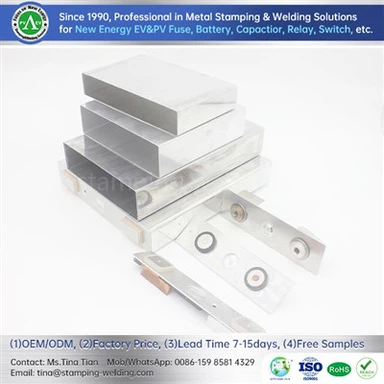
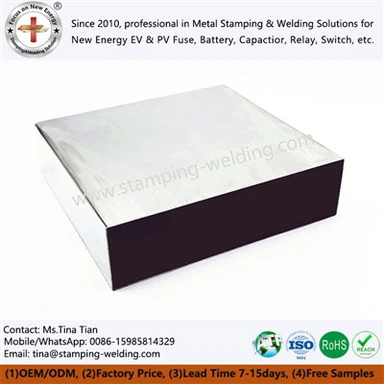
The lithium-ion battery cover is the core structural component of the top package of the square aluminum-shell battery cell. Together with the battery case, it forms a complete physical barrier for the battery cell. As the key interface between the internal chemical system of the cell and the external environment, the cover plate assumes multiple engineering functions such as mechanical sealing, current conduction, safety pressure relief, and electrical insulation. In the lithium-ion battery structure system, Lithium Battery Top Cap is the common name for this component in the industry, while Prismatic Lithium Battery Lid and Prismatic Lithium Battery Canopy more accurately point to the cover form specifically for prismatic batteries. For professional buyers and engineering customers, understanding the essence of the cover plate as a three-in-one functional interface of "structure-electrical-safety" is the basis for scientific selection and supplier evaluation.
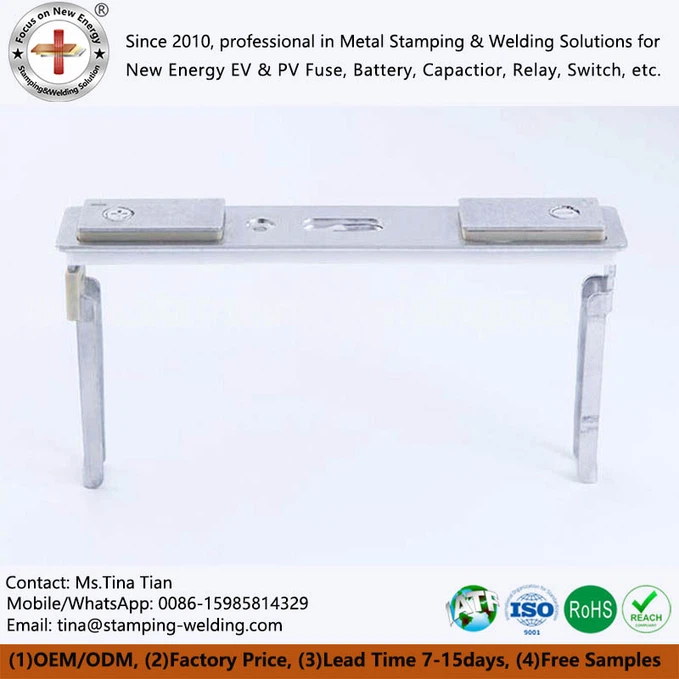
From a manufacturing perspective, the cover plate is not a single part, but a component that is precisely assembled from multiple sub-components such as the top cover pole, explosion-proof valve, flip piece, injection hole, insulating plastic and sealing ring. Its quality directly determines the long-term sealing reliability of the battery cells, safety performance under extreme conditions, and the overall life of the battery system. Power Battery Cover Plate, as a special cover solution for the power battery field, puts forward higher requirements for mechanical strength, vibration resistance and high current carrying capacity.
Core functions and technical requirements
The engineering functions of the cover can be summarized into five core dimensions, each of which is directly related to the safety, reliability and performance of the battery cell. First, the fixing and sealing functions. The cover plate is laser welded to the aluminum shell to form an airtight closed cavity, and the bare battery core and electrolyte are firmly packaged inside. The reliability of this sealing interface directly determines that electrolyte leakage or moisture intrusion will not occur during the life cycle of the battery core. Aluminum Cover Plate for Batteries As a supporting cover plate for aluminum shells, the penetration consistency, pore control and heat-affected zone management of the welding area are key control points in the manufacturing process. Seal failure will lead to accelerated battery capacity decline or even complete failure. Second, the current conduction function. Inside the battery core, the cover poles, adapter pieces, and battery cell tabs are welded and connected to ensure that current can pass smoothly during charging and discharging.
At the module level, the cover poles and bus bars are connected by laser welding or bolts to achieve series and parallel connection of batteries. Copper and Aluminum Bimetal Bipolar Plate represents an advanced solution for pole materials - the copper-aluminum composite structure takes into account the excellent conductivity of copper and the lightweight and welding compatibility of aluminum, which has significant advantages in high-current applications of power batteries. The conductive cross-sectional area, contact resistance and long-term creep resistance of the pole are the core indicators for evaluating its engineering quality.
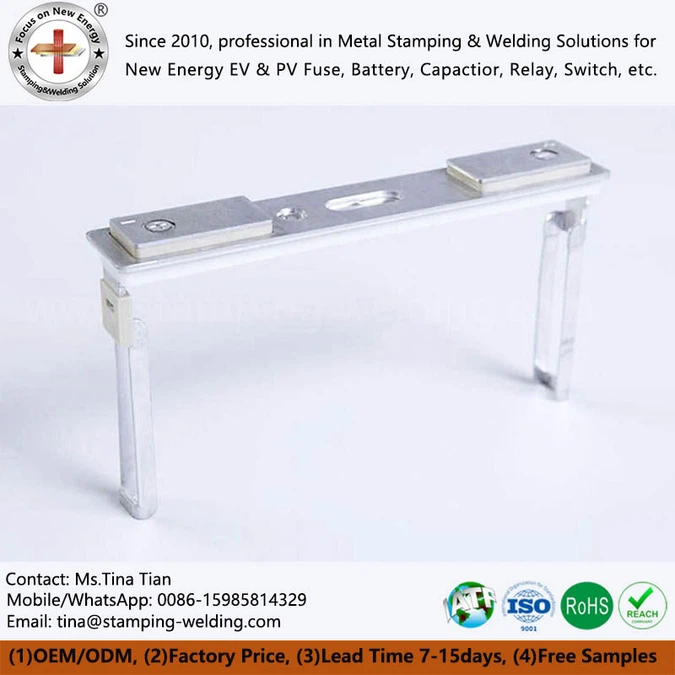
Third, safety pressure relief mechanism. When the internal air pressure of the battery rises abnormally due to overcharging, internal short circuit or thermal runaway, the explosion-proof valve integrated on the cover will automatically open after reaching the set pressure threshold to achieve directional pressure relief, thus greatly reducing the risk of case explosion and debris splashing. The opening pressure accuracy of the explosion-proof valve (usually requiring a tolerance within ±0.05MPa) and the exhaust flow rate after opening are key parameters of the design, which are directly related to the effectiveness of safety protection. Fourth, fuse protection measures. When the battery is abnormal and the internal air pressure continues to rise to a certain value, the flipping piece on the cover will lift up and contact the negative riveting block, causing a direct short circuit between the positive and negative poles of the cover. At the same time, the aluminum connecting piece Fuse will melt and quickly cut off the current circuit. This dual protection design provides an additional line of electrical shutoff in the event of thermal runaway. Bettery Cover Plate is a universal cover plate component. The triggering pressure of the flip plate and the fusing current of the Fuse need to be accurately calibrated in engineering.
Fifth, electric corrosion protection. Conductive PPS (polyphenylene sulfide) plastic is used as an insulating isolation layer between the positive pole and the top cover plate. This material forms a certain resistance value between the positive pole and the aluminum shell, thereby effectively reducing the potential difference between the positive pole and the aluminum shell. This design can prevent electrochemical corrosion of the top cover plate and aluminum shell, significantly improving the long-term service life of the product in humid or salt spray environments. When aluminum battery cover and aluminum battery box cover are used together, they need to

Manufacturing process
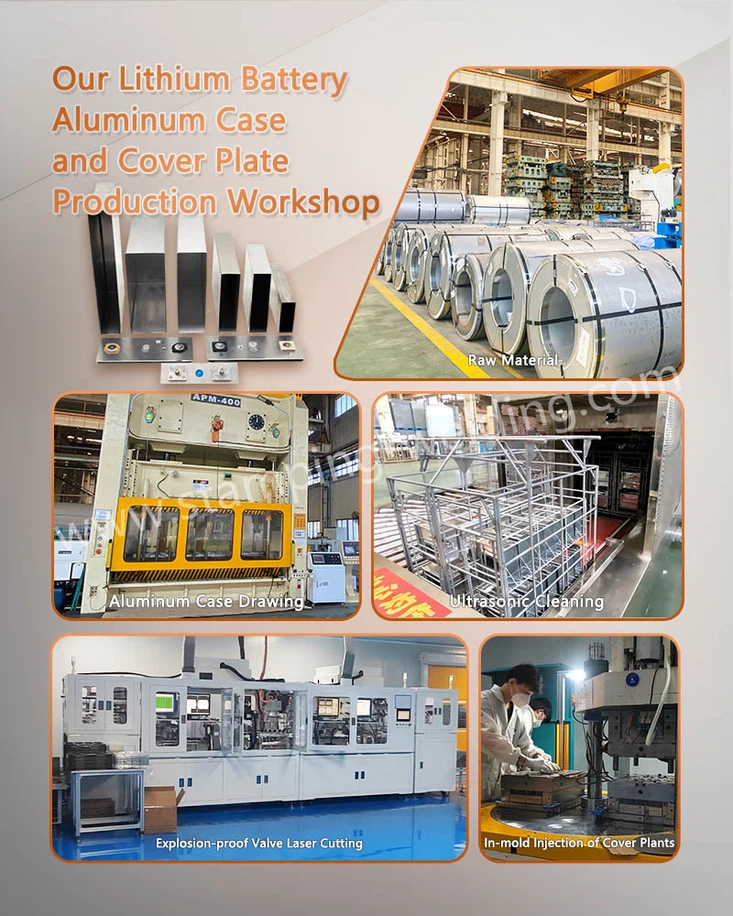
The manufacturing of cover plates involves multiple precision processes such as stamping, injection molding, laser welding, assembly and testing. Stamping forming process: The main metal parts of the cover plate (including the top cover plate, pole base and explosion-proof valve diaphragm) are usually continuously stamped and formed using high-precision progressive dies. The materials are mainly 3003 or 1050 aluminum alloy, and some high current-carrying poles are made of copper-aluminum composite plates. The dimensional tolerance of the stamping parts (especially the position of the pole mounting holes and the contour of the sealing groove) needs to be controlled within ±0.03mm to meet the requirements of subsequent automated assembly.
Injection molding insulation process: The insulation layer between the pole and the top cover is precision injection molded. The material is PPS or PBT engineering plastics that are resistant to electrolyte corrosion, high temperature resistance and good fluidity. During the injection molding process, mold temperature and injection pressure must be strictly controlled to avoid defects such as shrinkage cavities, flash, or insufficient filling. These defects may lead to insulation failure or electrolyte alkali creep during long-term use. Laser welding process: The sealing welding of the cover plate and the aluminum shell, the connection welding of the pole and the adapter piece, and the peripheral sealing welding of the explosion-proof valve are all completed by pulse or continuous laser welding. The welding process requires precise control of spot diameter, power density and protective gas flow to ensure consistent penetration of the weld, no penetrating pores and sufficient tensile strength. The online weld visual inspection system can identify abnormalities such as spatter, dents and offsets in real time.
Sealing test: After the cover assembly is assembled and the entire battery core is sealed, air tightness testing is required. Helium testing is an industry-recognized high-precision sealing verification method-place the part to be tested in a vacuum chamber, fill it with helium gas, and detect the leakage rate through a mass spectrometer. The helium leakage rate of qualified battery covers and finished cells is usually required to be less than 1×10⁻⁵ Pa·m³/s. This standard ensures that the performance of the cells will not deteriorate due to seal failure during its service life of more than 10 years. Electrical performance testing: The electrical conductivity, insulation resistance and contact resistance of the cover plate must be 100% online tested. Measuring the total resistance from the pole to the internal connection point using the four-wire method can effectively identify poor welding or material abnormalities. The insulation resistance test is used to verify the isolation effect between the pole and the metal base of the cover. Generally, the insulation resistance is required to be no less than 100MΩ under 500V DC conditions.
Application scenarios
Power battery field: Electric vehicles and hybrid vehicles are the most important application markets for cover products. In such scenarios, the Power Battery Cover Plate needs to withstand the continuous vibration and shock caused by vehicle driving, as well as the thermal cycle stress caused by fast charging. The structural strength, anti-vibration performance of the cover plate and the anti-loosening ability of the pole connection are key assessment indicators. Energy storage system field: Large-scale energy storage power stations and industrial and commercial energy storage systems place higher requirements on the cycle life and long-term reliability of cover plates. Energy storage cells are usually designed to have a cycle life of more than 6,000 times. The sealing durability of the cover plate and the long-term stability of the explosion-proof valve (no adhesion or premature aging) are key considerations when selecting. Consumer electronics field: Small square or soft-pack batteries in smartphones, notebook computers and wearable devices have high requirements for thinness and integration of covers. Although the structural size is smaller, the requirements for sealing reliability and explosion-proof safety are equally stringent.
contact us
If your project has customized engineering requirements for the structural strength, sealing reliability, and flow conduction performance of the LFP Safety Cover Set, our technical team can directly connect with you and provide you with full-process engineering support.