metallized ceramic components substrate: technical principles, process paths and application analysis
Apr 28, 2026
As a key material in modern electronic packaging, metallized ceramic substrates achieve an organic combination of the properties of the two materials by firmly bonding a metal film to the ceramic surface. Its structure combines the high insulation and high temperature resistance properties of ceramics with the excellent electrical and thermal conductivity of metals, making it a core carrier for applications such as high-power electronic devices, advanced optoelectronic devices and high-reliability automotive electronics. The following will systematically elaborate on metallized ceramic substrates from multiple dimensions such as technical principles, mainstream processes, performance characteristics, and industry applications.
Technical principles and infrastructure
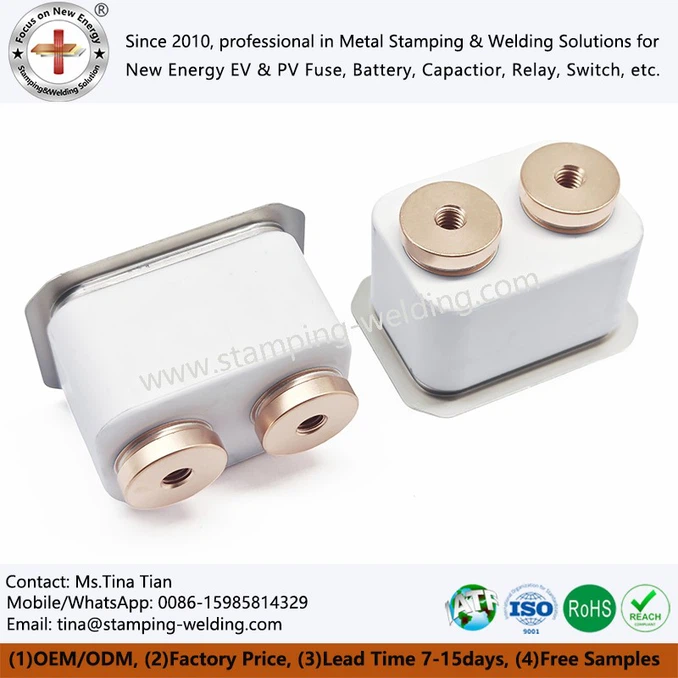
The core of metallized ceramic substrates is to achieve high-strength and reliable connections between two heterogeneous materials, ceramic and metal. Its basic principle is not simple physical attachment, but relies on chemical bonding and reaction diffusion at the interface. Because ceramics have low surface energy and are chemically inert, they are difficult to wet and bond with ordinary metals. Therefore, the key to the process is to achieve metallurgical bonding by introducing active elements (such as titanium, zirconium) or creating a eutectic liquid phase (such as copper-oxygen eutectic), causing a chemical reaction at the interface to generate a transition layer.
A typical Metallized Ceramic substrate has a sandwich structure: the ceramic substrate provides mechanical support and insulation, the metallized transition layer in the middle realizes the bonding, and the thick metal layer (usually copper) on the surface assumes the functions of electrical conductivity, thermal conductivity and welding carrier. This ceramic-to-metal composite design fundamentally solves the thermal stress problem caused by a mismatch in coefficient of thermal expansion (CTE) between heterogeneous materials, thereby greatly improving the long-term reliability of the device under temperature cycles.
Detailed explanation of mainstream preparation processes
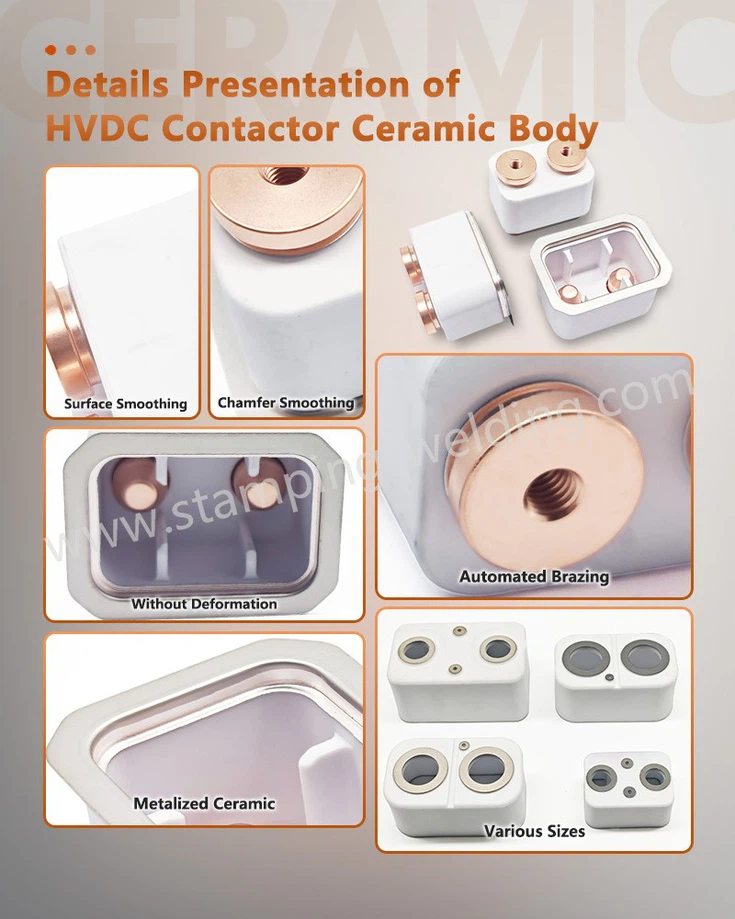
The metallization process is the key to determining the performance and cost of the substrate. Currently, the mainstream technology paths include direct copper coating, thin film technology and active metal brazing.
Direct copper coating (DBC) process. This process is carried out at high temperature (about 1065°C) and in a precisely controlled low oxygen partial pressure atmosphere, causing a eutectic reaction to occur on the surface of the copper foil and ceramic (such as aluminum oxide or aluminum nitride). Its core is the formation of a layer of Cu/O eutectic liquid phase, which can wet the ceramic and react with it to form a stable compound transition layer (such as CuAlO₂). The advantage of the DBC process is that the copper layer is thick (up to 300 μm or more) and has strong current-carrying and heat-dissipation capabilities. It is very suitable for high-power scenarios such as IGBT modules for electric vehicles.
Thin film and electroplating (DPC) process. This process first forms a nanoscale metal seed layer (such as Ti/Cu) on the ceramic through physical vapor deposition (PVD) technology such as magnetron sputtering, and then thickens the copper layer through patterned electroplating. The outstanding advantages of the DPC process are its high pattern accuracy (line width/spacing up to 20 μm) and its low-temperature process, which avoids thermal stress damage to materials caused by high temperatures. It is especially suitable for the manufacturing of Precision Metallized Alumina Ceramic Components and is widely used in radio frequency devices and optical communication modules that require high wiring density.
Active metal brazing (AMB) process. The AMB process uses solder containing active elements such as titanium and zirconium, which is heated in a vacuum furnace to above the melting point of the solder. The active elements chemically react with the ceramic surface to form a thin layer that is wettable by the solder, thereby achieving a high-strength connection between the ceramic and the metal (usually thick copper). The AMB process has extremely high bonding strength and is particularly suitable for the production of High Purity Alumina Precision Advanced Ceramic Metallization Parts, as well as areas with extremely stringent reliability requirements, such as main drive inverters for new energy vehicles.

Core Performance Features and Benefits
Excellent thermal management capabilities: Ceramic substrates, especially aluminum nitride (AlN), have excellent thermal conductivity (up to 180 W/m·K) and can efficiently dissipate the heat generated by the chip. Its thermal expansion coefficient matches that of semiconductor chips (such as Si, SiC), significantly reducing thermal cycle stress and extending solder joint life.
Excellent electrical and mechanical properties: The ceramic itself has high dielectric strength and low dielectric loss, and the copper layer formed by the Metallization Ceramic on the surface provides a low-resistance conductive path. This combination ensures that the device operates stably under high frequency and high voltage. At the same time, the Metallized Ceramic substrate has high mechanical strength, dimensional stability, corrosion resistance, and can adapt to harsh environments.
Design and manufacturing flexibility: Different Metallized Ceramic processes provide a variety of design options. From the high current-carrying capacity of DBC, to the high-precision wiring of DPC, to the ultra-high reliability of AMB, engineers can choose the optimal Alumina Metallized Ceramics solution based on specific electrical, thermal, mechanical and cost requirements. This lays the foundation for the design and customized production of Precision Metallized Ceramics.

contact us
We focus on providing high-quality metallized ceramic components, precision machining services and are committed to creating high-performance Metallized Alumina Ceramics for Electrical Components for our customers. Whether it is standard substrate customization or complex precision metallized ceramic processing, we can provide professional solutions from design to finished products to help your products achieve breakthroughs in high-precision fields.