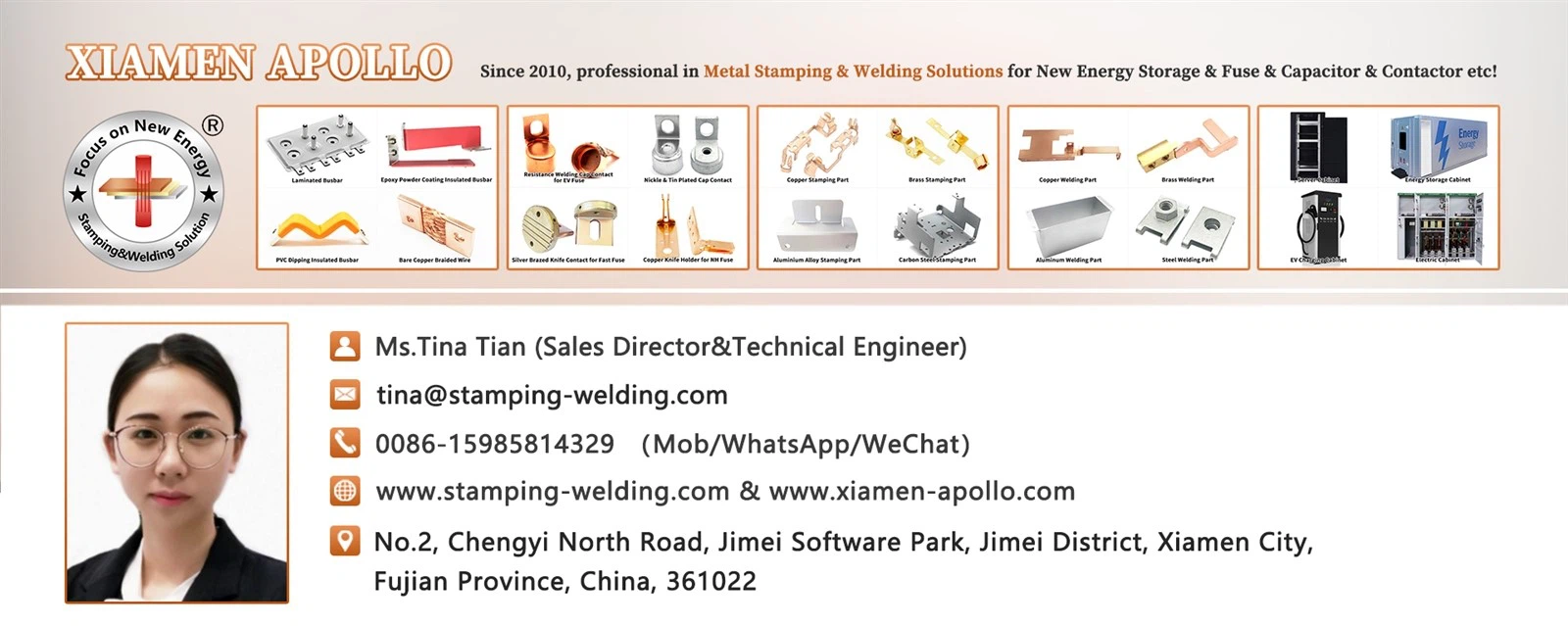
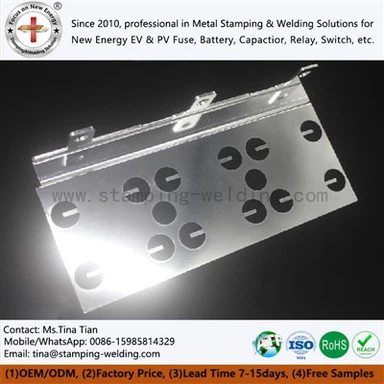
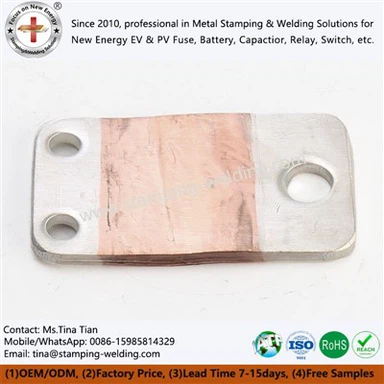
Selection of Electrical copper bus bar in power distribution system
Apr 28, 2026
The Core Value of Electrical Copper Bus Bar in Electric/Hybrid Vehicles
With the advancement of battery technology and the improvement of vehicle driving range, the market acceptance of electric vehicles (EVs) and hybrid electric vehicles (HEVs) has steadily increased, and their core power systems have put forward extremely high requirements for the efficiency and stability of power distribution. As the core electrical conductor for collecting and distributing current in power distribution systems, the Electrical bus bar provides efficient power distribution solutions for various subsystems of vehicles with excellent conductivity. It is an indispensable key component in EV/HEV power transmission links.
EV/HEV relies on powerful electric motor drivers, large capacity battery packs, and power inverters to achieve energy conversion, while the Ground bus bar undertakes the important task of power transmission from the charging source to the battery, and then to various electrical units of the vehicle. Its performance directly affects the energy utilization efficiency and range performance of the vehicle.

The correlation between Electrical copper bus bar and EV/HEV range capability
The effective utilization of limited energy is the core of EV/HEV design. Currently, these vehicles mainly rely on rechargeable lithium-ion battery packs as their main energy source. The low resistance characteristics of Busbar electric can effectively reduce energy loss during power transmission, indirectly improving the vehicle's range. Lithium ion battery packs can provide high energy capacity and withstand thousands of charging cycles. Combined with the efficient conductivity of copper busbars, it ensures the full utilization of battery energy.
In addition, auxiliary power sources in EV/HEV, such as traditional lead-acid batteries, also need to be distributed through Electrical copper busbars to provide power for basic vehicle functions such as sensors, cooling fans, and lighting. The stable transmission of copper busbars can avoid range reduction caused by poor contact and energy loss, ensuring the normal operation of various subsystems.
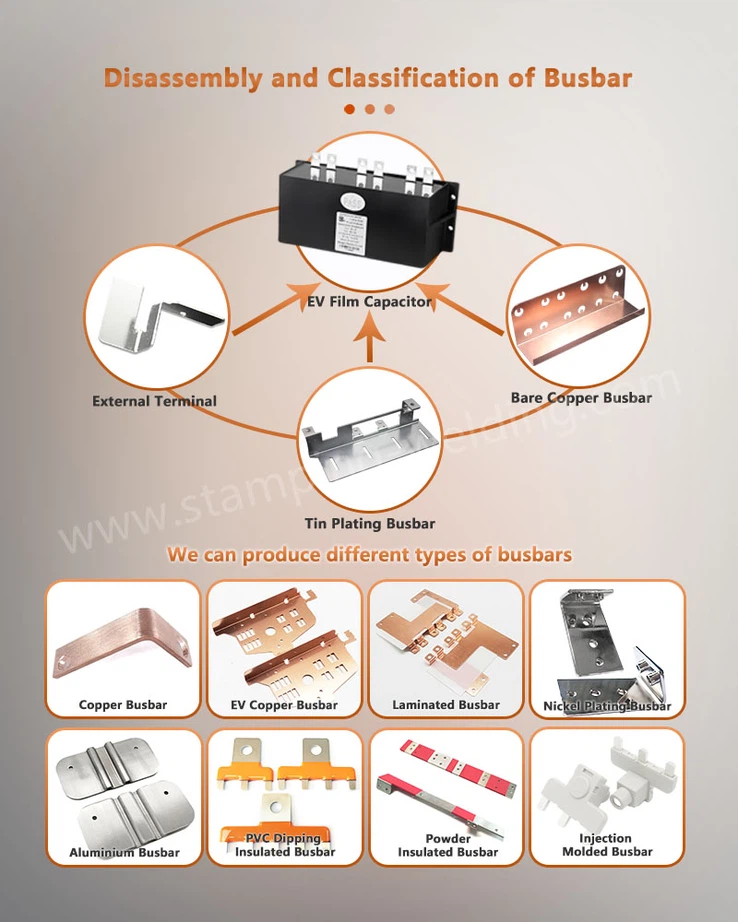
Key application points in battery pack connection
In high-power EV/HEV battery packs, a single battery (rated voltage of 1.5 to 2.0V) needs to be combined in series or parallel to achieve a rated voltage close to 400V. At this time, Copper solid bus bars become an ideal choice to replace insulated cables due to their excellent conductivity and mechanical strength.
Power busbar is essentially an electrical conductor and ground layer separated by an insulator, which can be made into a single-layer or multi-layer structure. Its resistance, capacitance, and inductance characteristics need to be kept uniform to ensure stable performance. To reduce contact resistance and avoid excessive heat generation during high current transmission, the connection between battery cells and copper busbars is usually achieved through laser welding technology. This method not only minimizes contact resistance but also integrates into automated assembly processes, reducing mass production costs and ensuring the reliability of the connection.

Material characteristics and thermal management advantages
The High voltage busbar not only performs power distribution functions, but also assists in the thermal management system of EV/HEV. As an excellent electrical and thermal conductor, the material characteristics and cross-sectional dimensions of copper directly determine the current carrying capacity of the busbar, which is suitable for the high current transmission requirements of EV/HEV. Copper busbar can be made into various shapes such as flat bars, solid rods, hollow tubes, etc. Among them, flat or hollow forms are more suitable for high current scenarios and can be plated according to needs to further optimize conductivity and corrosion resistance.
In EV/HEV power distribution systems, current flowing through resistive nodes generates heat. Busbar electric can be used as part of the heat conduction path to transfer the heat to the radiator or coolant storage tank, avoiding local overheating and affecting system stability. At the same time, the thermal expansion coefficient of copper is adapted to the operating temperature range of EV/HEV, which can reduce structural deformation caused by temperature changes and ensure long-term reliability. In addition, copper busbars can replace multi-core cables to distribute power to electronic components such as vehicle sensors, inverters, and drive motors, simplifying wiring structures.

Contact us
If you need to learn about customized solutions and related technical details for Electrical copper bus bars, please feel free to consult at any time. We will provide you with professional selection suggestions and supporting services.