Popularization of professional knowledge in the copper busbar industry
May 27, 2026
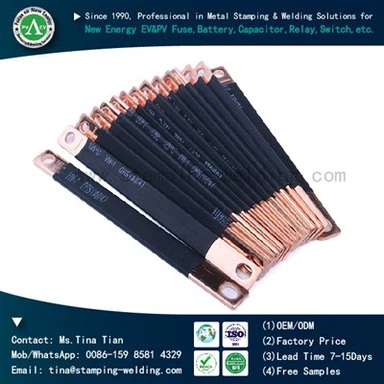
Copper busbar is a major variety of copper processing materials and is also an indispensable conductive material for manufacturing motor windings, high and low voltage electrical appliances, switch contacts, and wires for power distribution installation. As the core conductor in the power transmission and distribution system, copper busbars bear the key task of efficiently and safely transmitting electric energy from the power source to various electrical loads. In complete power distribution devices, copper busbars are usually used as main busbars (busbars) and branch busbars to connect primary components such as circuit breakers, isolating switches, current transformers, and voltage transformers to form a complete electrical main circuit. Copper busbar has high mechanical properties, excellent electrical conductivity, good thermal conductivity, excellent corrosion resistance, excellent electroplating properties, brazing properties, beautiful metallic luster, and good forming and processing properties. These comprehensive properties make copper busbars widely used in various power transmission and transformation equipment and electrical equipment.
In recent years, with the continuous development of the electric power industry, new energy industry, rail transportation and industrial automation, the market demand and quality requirements for copper busbars have been continuously increasing. As the main channel in the power distribution system, Power BusBar's electrical conductivity and mechanical strength directly determine the current carrying capacity and operational reliability of the entire system. BusBar Copper emphasizes the core position of copper as the busbar base material. Copper's high conductivity and high corrosion resistance make it an irreplaceable choice in high-current application scenarios. In high-voltage switch cabinets, low-voltage distribution cabinets, capacitor compensation cabinets and busway systems, copper busbars have won wide recognition from engineering designers for their stable electrical performance and long service life.

Production process
Traditional copper busbar production generally uses a series of processes of flattening, drawing, and annealing. This method has many inherent flaws. The surface of the product is prone to defects such as burrs, warped skin, and pits. These microscopic defects may cause the risk of insulation breakdown in transformer winding applications. Due to the axial tensile stress during the drawing process, casting defects such as pores and porosity inside the copper material may be expanded rather than eliminated, resulting in uneven distribution of resistivity and mechanical properties along the length direction, making it difficult to meet the consistency requirements for impedance matching of motors and transformers. For copper busbars with a width-to-thickness ratio greater than ten or a large cross-sectional area, the production efficiency and yield of traditional processes decrease significantly. If the manufacturing of Power Bar BusBar relies on traditional processes, it often requires blanks of various specifications. The raw material preparation is complex, the annealing process consumes a lot of power, the cycle is long, and the equipment occupies a large area. Busbar Manufacturers also face the pungent odor and environmental pollution caused by the volatilization of lubricating fluid when using traditional processes. These factors jointly restrict the improvement of production capacity and the stability of product quality.
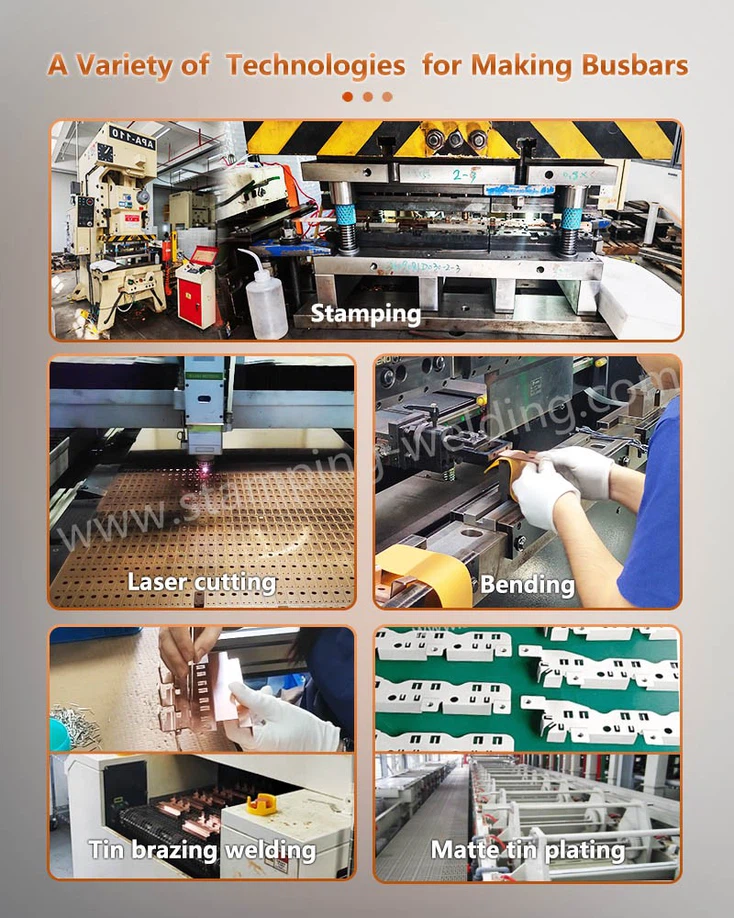
stretch forming process
In the hot extrusion and stretch forming process, the optimal selection and rational use of the mold directly affects the dimensional accuracy and surface finish of the copper busbar. Copper hot extrusion molds need to work under harsh high-temperature conditions. Cermet materials with ceramic hardness, wear resistance and metal toughness are usually used to resist the erosion and wear of high-temperature copper flow. The drawing mold is made of cemented carbide containing tungsten carbide and cobalt elements. The geometric parameters of the lubricating cone, working belt, sizing belt and outlet cone need to be optimized and designed, and the inner hole needs to be brightly polished to ensure that the surface of the stretched copper busbar is smooth and smooth. The molding quality of BusBar Copper is highly dependent on the condition of the mold and the level of maintenance. The selection of process lubricants is also critical. Water-based emulsions have become the mainstream choice in the industry because of their lubricity, cooling, cleaning properties and economy. However, they need to be monitored and replaced regularly to prevent deterioration and contamination of the copper surface.
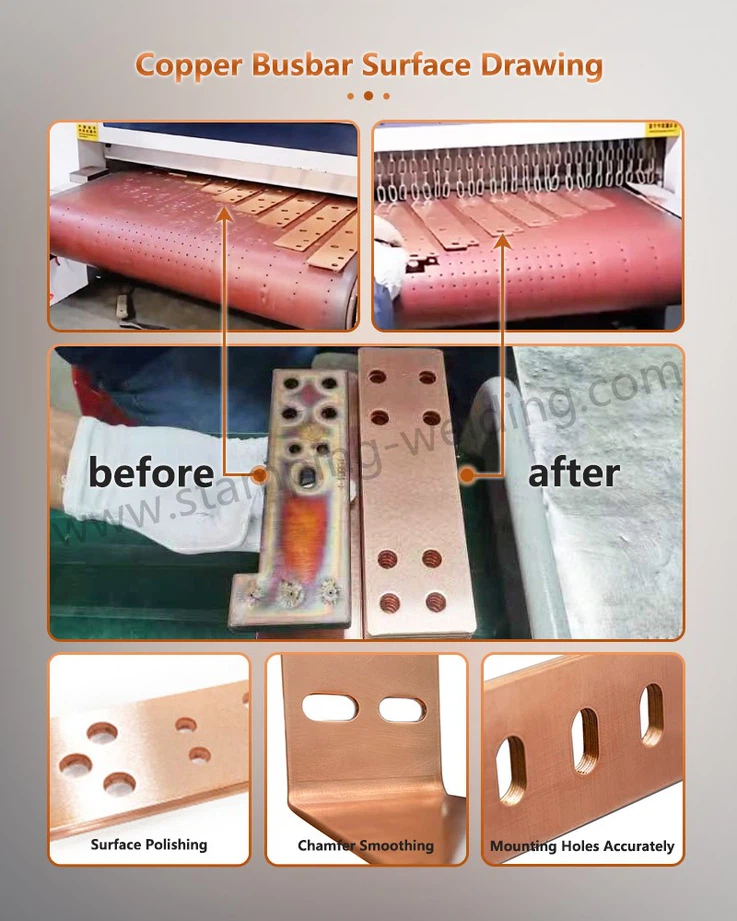
technological development
In order to ensure the continuous improvement of copper busbar quality, the industry has formed a series of systematic improvement measures in the casting, processing and post-processing links. During the melting and casting stage, ensuring the charge is dry and enhancing melt coverage is the key to preventing hydrogen and oxide inclusions. This can effectively prevent hydrogen or oxygen disease from occurring in the copper busbar during subsequent heat treatment, and avoid defects such as surface peeling, bubbles, and inclusions. A reasonable casting process can not only improve production efficiency, but also reduce internal defects such as looseness, cracks, coarse grains and structural segregation, and improve the surface and mechanical properties of the busbar from the source. The manufacturing process of Power BusBar also needs to strengthen the process control and production management of the entire process, and establish standardized operating procedures from raw material warehousing to finished product delivery to ensure that the parameters of each process are under control, thereby minimizing quality fluctuations.
contact us
We support customizing Bus Bar Electric in various specifications according to drawings, as well as tin-plated, silver-plated and other surface treatment products. You are welcome to send technical drawings or purchasing requirements to our sales team, and we will provide you with professional technical support, stable delivery cycle, and complete product quality certification documents.