The necessity of surface treatment for Electrical bus bars and performance and cost analysis of bare copper bars
Apr 01, 2026
The core necessity of surface treatment for Electrical bus bars
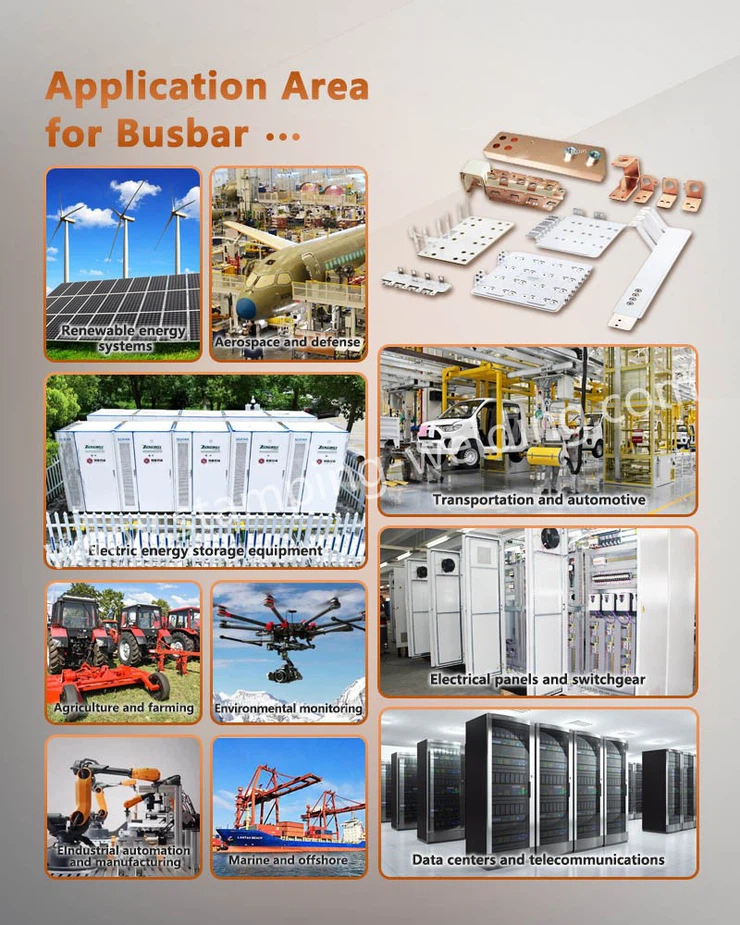
The Electrical copper bus bar, as the core component for current transmission in electrical systems, is widely used in low-voltage complete equipment and other scenarios. Its surface condition directly determines the safety, efficiency, and service life of electrical connections. Long term exposure of bare copper bars to air can lead to oxidation reactions, forming a copper oxide layer.
This change not only reduces the conductivity of the copper bars, but also increases contact resistance, causing hidden dangers such as poor contact and heat generation, ultimately shortening the overall operating life of the equipment. Therefore, scientific surface treatment of Isolated ground bus bars is a necessary step to ensure stable operation of electrical systems and improve maintenance efficiency.
Application characteristics and performance impact of Electrical bus bar
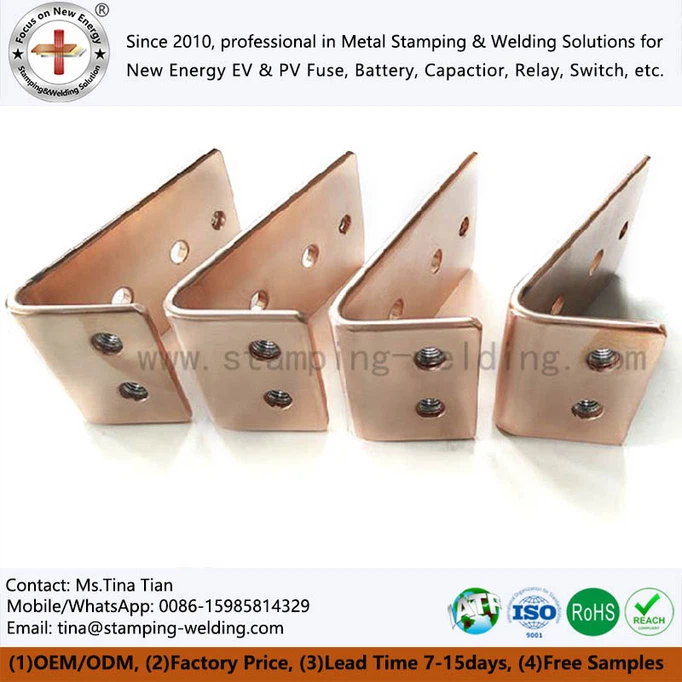
Busbar electrical can achieve stable operation through standardized installation in suitable environments such as switchgear. By matching bolts of appropriate specifications and precisely controlling the tightening torque, it is possible to ensure a tight fit between the overlapping surfaces of the copper bars, effectively isolating direct contact between air and moisture, suppressing excessive formation of oxide layers, maintaining low contact resistance, and meeting electrical safety requirements under low voltage conditions.
It is worth noting that the copper oxide layer formed on the surface of the Copper solid bus bar has a special protective effect, especially suitable for high temperature environments of low-voltage equipment. The oxide layer is in the form of a thin film, which can block the continuous oxidation of internal copper bars. At the same time, the heat dissipation capacity of copper oxide is about 14 times that of untreated bare copper, and about 15% of the heat of copper bars is dissipated through radiation. The formation of the oxide layer significantly improves the heat dissipation efficiency and optimizes the current carrying performance of copper bars. However, it should be noted that copper oxide itself is almost non-conductive, so the surface oxidation of the copper bar must be checked before installation. If there is obvious oxidation, it needs to be removed by acid washing, chemical deposition and other methods to ensure surface purity.
Common surface treatment methods and performance optimization
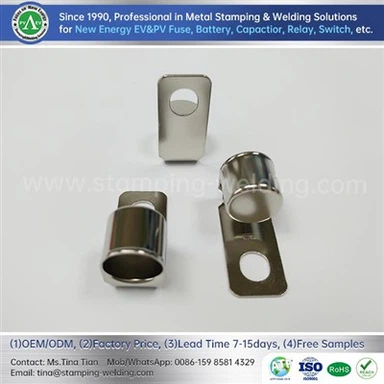
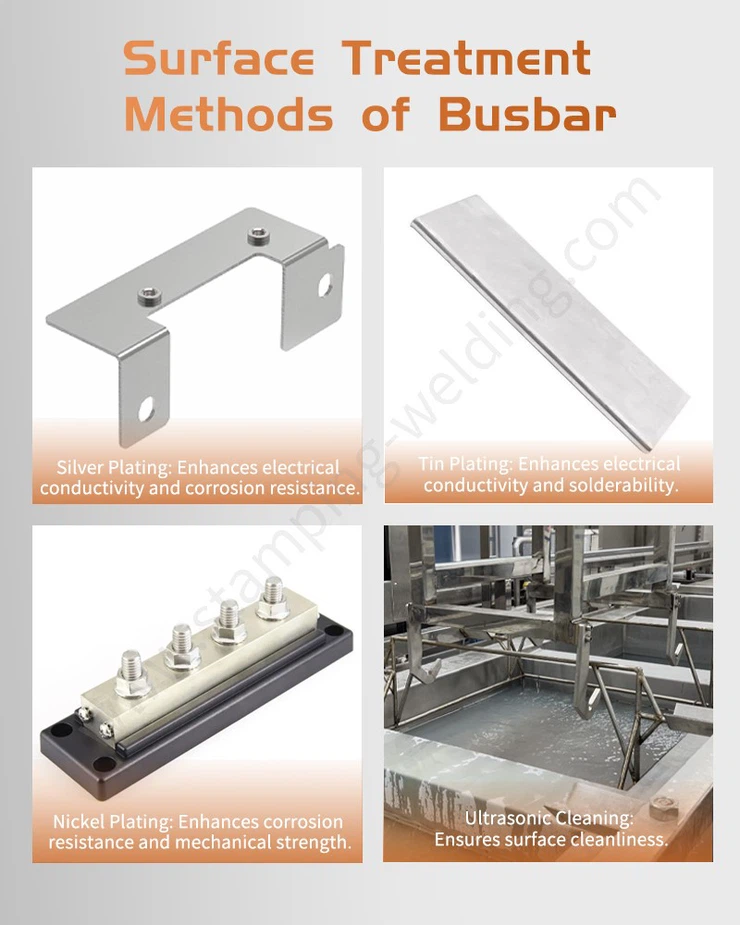
To adapt to different application environments and working conditions, common surface treatment methods for Power busbars include coating treatment and insulation treatment. In plating treatment, tin plating, nickel plating, and silver plating are the mainstream solutions: tin plating can improve the corrosion resistance of copper bars, while reducing contact resistance, and is suitable for most conventional working conditions; Nickel plating, due to its high hardness and strong wear resistance, is suitable for scenarios where drawer cabinets require frequent sliding connections such as primary connectors and vertical busbar contact points, while enhancing adhesion and appearance quality; Silver plating is aimed at high conductivity requirements, which can effectively reduce contact resistance and improve conductivity efficiency. Due to its excellent chemical stability, it can maintain stable performance in complex environments. However, it is usually only applied to areas with extremely high conductivity requirements such as terminals and overlapping surfaces.
Insulation treatment mainly includes epoxy resin spraying, heat shrink tubing wrapping, etc. The core purpose is to enhance the electrical isolation between High voltage busbars, ensure operational safety, and increase operational safety. However, it should be noted that although insulation treatment improves insulation performance, it will increase process difficulty and cost, and to some extent reduce the heat dissipation capacity of copper bars, which may affect the current carrying capacity. Therefore, it should be selected reasonably according to the scenario.
Cost balance and selection principles of bare copper and surface treatment
Surface treatment of Electrolytic copper busbars increases process costs, while choosing bare copper bars can effectively save overall costs. In most scenarios, if there are no special corrosion or insulation requirements in the environment, bare copper bars are a more cost-effective choice. Unless there are areas with high corrosion, high interference, or special insulation requirements, no additional Telecom ground bus bar surface treatment is required. During the technical briefing between the factory and Party A, it is necessary to clarify the selection plan and make a comprehensive judgment based on factors such as usage environment, current requirements, and cost budget, in order to avoid excessive processing that increases costs or insufficient processing that affects equipment performance.
contact us
The selection and process of surface treatment for copper bars directly affect the operational efficiency and long-term cost of electrical systems, and professional technical solutions can accurately adapt to the requirements of working conditions.
If you have any inquiries, selection or customization needs for Electrical bus bar surface treatment solutions, please feel free to contact us at any time for professional technical support and precise solutions.