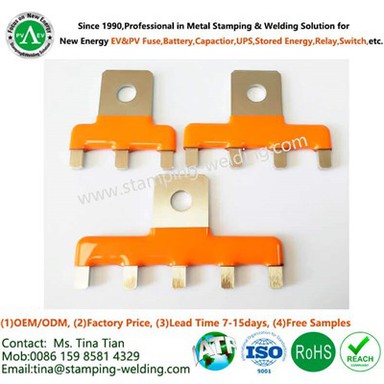
What is a Multilayer Copper Foils Flexible BusBars?
May 23, 2026
Product Definition
Multilayer Copper Foils Flexible BusBars are flexible conductive connection components specifically designed for high-current power transmission. They are formed by stacking multiple layers of ultra-thin copper foil and using a high-temperature, high-pressure diffusion bonding process to achieve solid-state fusion of the copper foil at the molecular level, thereby creating an electrical connection structure that combines high conductivity and high flexibility.

Process Principle
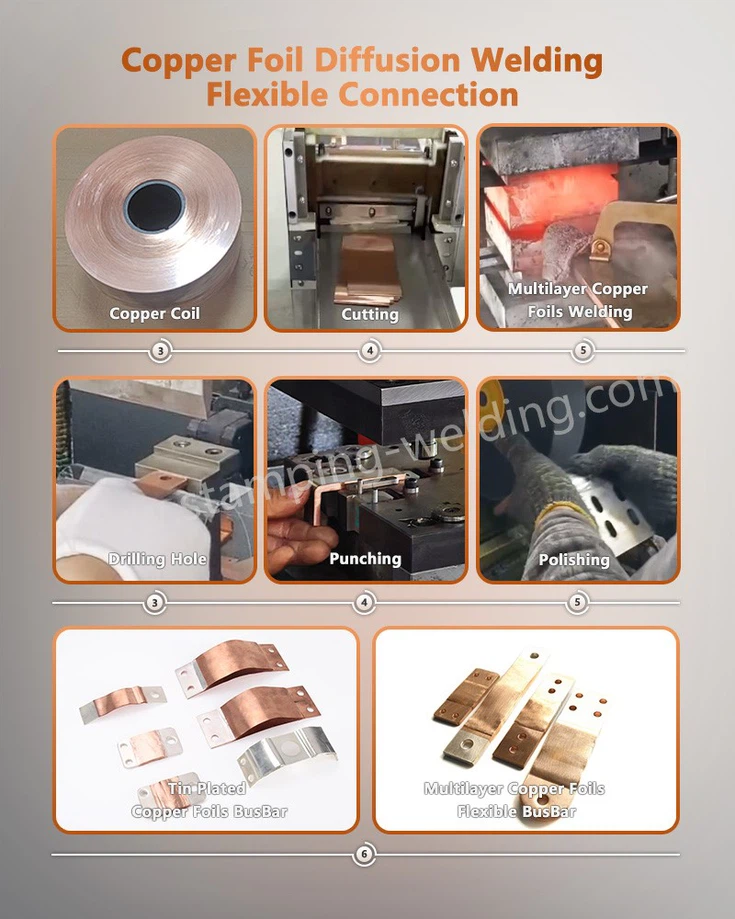
Diffusion welding is the core technological highlight of this type of flexible bar and a key factor in ensuring product performance. Unlike conventional welding methods, diffusion welding requires no solder. By precisely controlling the high temperature and pressure environment, it allows metal atoms at the contact surfaces of multiple copper foils to diffuse and permeate each other in a solid state, achieving impurity-free molecular-level fusion. Multi-Layer Copper Foil Flexible Busbars produced using this process can have their two end connection areas fused into a solid copper block structure, ensuring the rigidity and conductivity stability of the connection, while the central main area retains the copper foil layered structure, providing ample bending and stretching performance, perfectly balancing connection strength and flexible adaptability.
Core performance
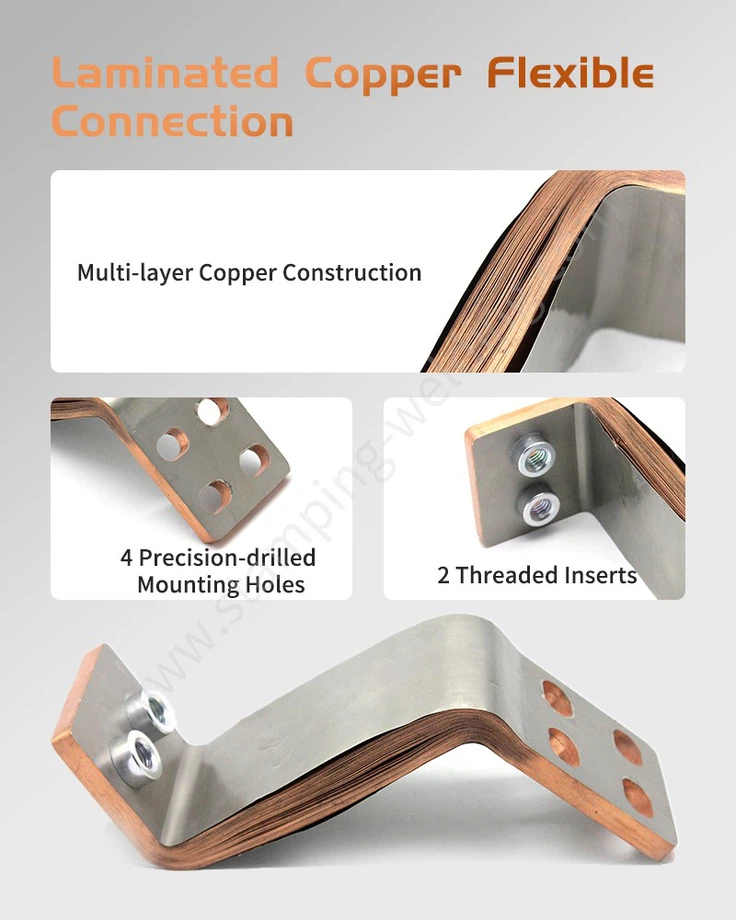
The unique manufacturing process gives the Flexible Copper BusBar multiple core performance advantages, adapting to the power transmission needs of complex operating conditions. The molecular-level fusion-bonded port structure eliminates the problem of residual materials from traditional welding, resulting in extremely low contact resistance and excellent conductivity. This minimizes energy loss during power transmission, ensuring high efficiency in high-current transmission. Simultaneously, the layered structure in the middle section provides excellent flexibility, allowing for multi-directional bending, torsion, and expansion/contraction. This effectively absorbs mechanical vibrations generated during equipment operation and compensates for displacement deviations caused by thermal expansion and contraction, fundamentally avoiding the breakage problems of rigid connection structures. Furthermore, the multi-layer copper foil structure significantly increases the heat dissipation area, providing superior heat dissipation compared to traditional cables under the same cross-sectional conditions. This allows the Multilayer Bus Bar to have a larger current carrying capacity, stably supporting the continuous current load of high-power equipment.
Product segmentation
With the industry's increasing specialization, various customized products are being implemented, enriching the flexible bar product system. Among them, the Tinned Copper and Tin Plated Copper BusBar, through optimized tin plating processes, effectively enhance the copper bar's oxidation and corrosion resistance, making them suitable for humid and complex industrial operating environments. Multiple structural products, such as the Copper Flexible Bar, Flexible Bar Copper, and Flexible copper laminated bar, have optimized structural designs for different equipment installation conditions, adapting to various space and installation requirements. Copper BusBars, with their standardized conductive structure design, have become the preferred component for general-purpose power connections.
Application scenarios
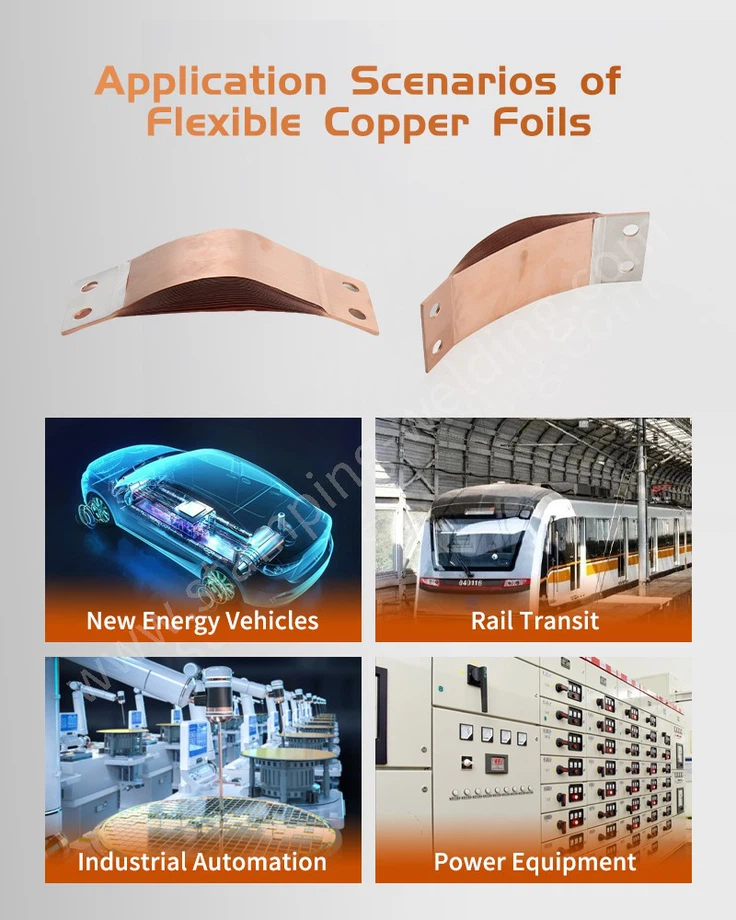
Currently, various flexible bars have been widely deployed in core scenarios across multiple industries, with their market application coverage continuously expanding. The Multilayer Copper Foils Flexible BusBars is precisely suited for the new energy vehicle sector, primarily used for series and parallel connection of battery pack cells, battery cluster docking, and internal connections within high-voltage distribution boxes, ensuring the safe and stable operation of onboard high-voltage systems. Simultaneously, the Flexible Busbar can be adapted to the telescopic connection structures of large generators, transformers, and high and low voltage switchgear. It can also be applied to industrial scenarios requiring ultra-high current transmission and frequent vibration, such as electroplating equipment, industrial furnaces, rail transportation, and welding machines. With its comprehensive advantages of high current carrying capacity, vibration resistance, and low loss, it continuously empowers equipment upgrades in the power, new energy, and industrial manufacturing sectors.
Contact Us
If you require customized Multilayer Copper Foils Flexible BusBars selection, technical solution integration, or dedicated solutions to suit your specific operating conditions, please feel free to contact us.