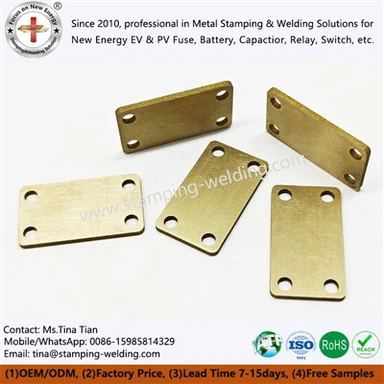
Tin-plate Busbar Automotive deeply penetrates the core components of new energy vehicles, adapting to high-voltage and high-current application scenarios
May 23, 2026
With its excellent conductivity, shock resistance, corrosion resistance, and oxidation resistance, Tin-plate Busbar Automotive are perfectly suited for the high-voltage, high-current power transmission conditions of new energy vehicles. They are an indispensable core component of the vehicle's high-voltage electrical system. At the same time, various products such as EV Bus Bars and Insulated Bus Bars that are compatible with capacitors and electronic control systems are also widely used in major core electrical modules of the vehicle to ensure the stability and safety of power transmission in new energy vehicles.
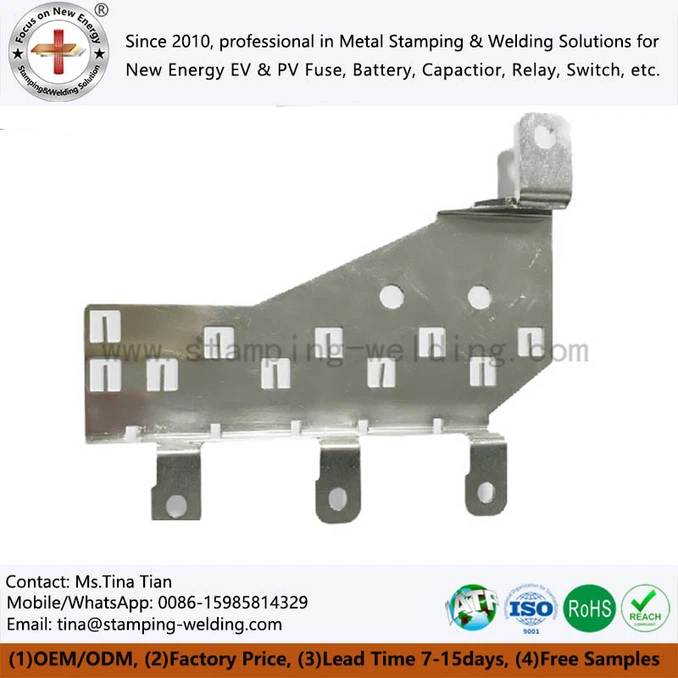
Power battery applications
The power battery system is one of the core application scenarios for tin-plated busbars and a primary application area for automotive power bars. Within the battery module, the tin-plated bar enables series and parallel connections of various individual battery cells, establishing a stable conductive architecture for the battery module. Simultaneously, leveraging the performance advantages of the tin-plated bar, the battery pack's main output bar can smoothly deliver high-voltage DC power from the battery pack to the vehicle's external circuitry. Furthermore, the automotive battery terminal busbar, through a refined tin-plating process, effectively avoids oxidation and poor contact issues during long-term battery system operation, significantly improving the operational stability of the power battery system.
Electric drive and control adapter
In the electric drive and control systems of new energy vehicles, tin-plated bars play a crucial role in high-current transmission and are the core component of the Film Capacitor Busbar for HEV/EV Motor Control Unit. During the DC-to-AC power inversion process by the vehicle's motor controller, the high-voltage bar needs to withstand extremely high current loads. The tin-plated bar, with its superior conductivity and weather resistance, ensures the continuous and stable operation of the inverter circuit. Simultaneously, critical components such as the stator winding leads and phase connections inside the drive motor rely on tin-plated busbars for reliable conductive connections, adapting to the high-intensity operating conditions of the vehicle's power output.
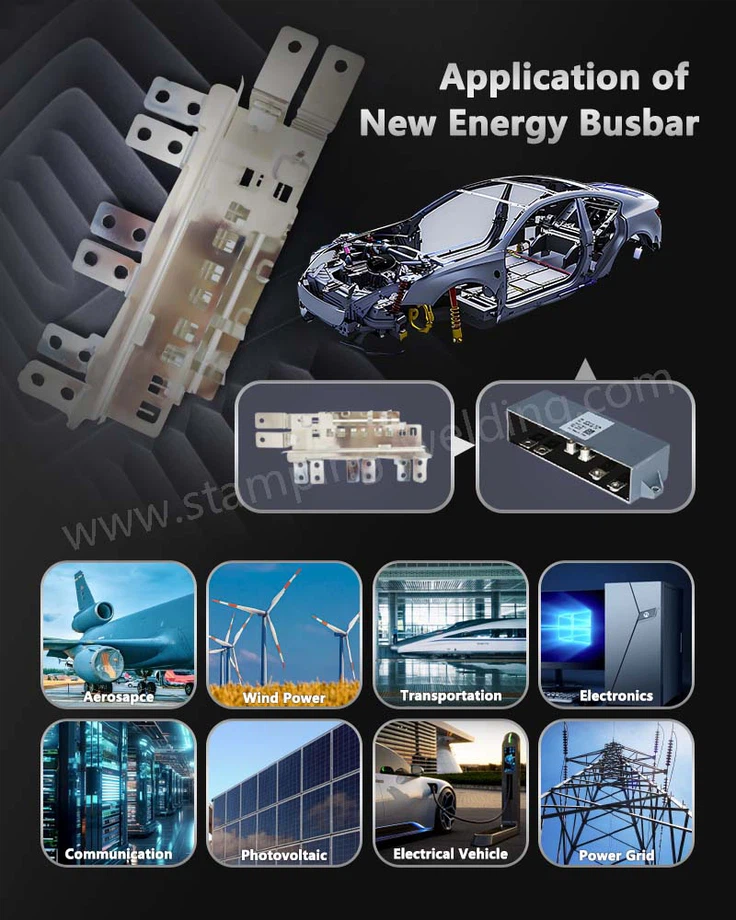
Distribution box accessories
As the core hub for high-voltage power distribution in the vehicle, the high-voltage distribution unit (PDU) extensively utilizes tin-plated copper bars, paired with professional BusBar Automotive products, to achieve the distribution and transmission of multiple high-voltage power sources. The stable tin plating process ensures the consistency of electrical contacts within the high-voltage distribution unit, preventing abnormal circuit contact due to vehicle vibrations and temperature variations, thus laying a solid foundation for the safe operation of the vehicle's high-voltage electrical system.
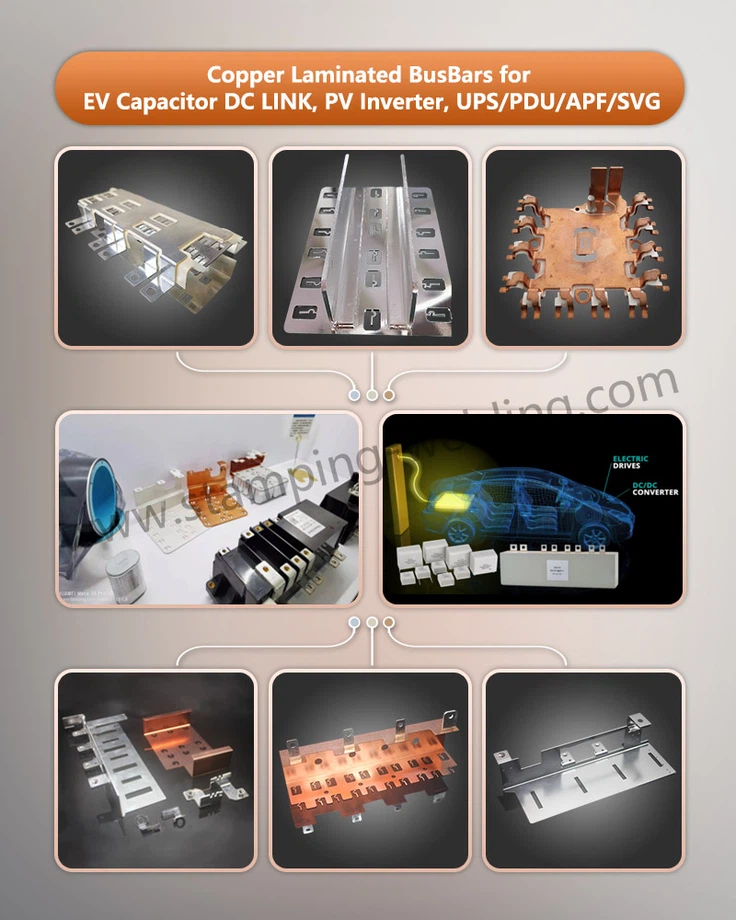
Charging system applications
Furthermore, Tin-plate Busbar Automotive are widely used in vehicle charging systems and on-board chargers. The internal conductive core components of vehicle AC and DC charging sockets, as well as the internal hard connection structure of the high-voltage AC/DC conversion module in the on-board charger (OBC), all utilize tin-plated busbar components. Meanwhile, adapter products such as Copper Bar for Electric Vehicle Capacitors and Copper Bar for Hybrid Electric Vehicles Film Capacitor precisely match the installation and conductivity requirements of on-board capacitors, adapting to the charging and power conversion conditions of various new energy vehicle types, including pure electric and hybrid vehicles.
contact us
If you require high-quality Tin-plate Busbar Automotive products compatible with various new energy vehicle models, please feel free to contact us to obtain customized solutions and accurate quotes.