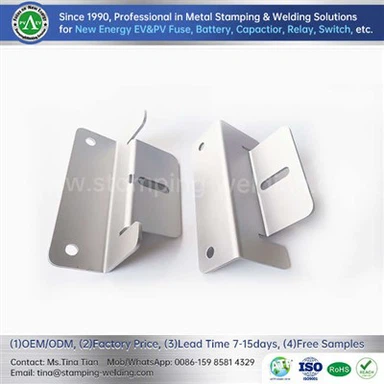
Analysis of the differences in process characteristics and application scenarios between Stainless Metal Stamping and copper plate stamping
May 23, 2026
In the field of precision metal processing, the adaptability of various metal stamped processes directly determines the finished product quality, performance, and application range of parts. Among them, Stainless Metal Stamping and copper plate stamped are two widely used processing methods in industrial production. The core difference between the two processes stems from the physical properties of the raw materials, which also creates a clear distinction in the corresponding processing technology, mold configuration, and applicable scenarios, providing a clear reference for the selection and process customization of industrial parts.
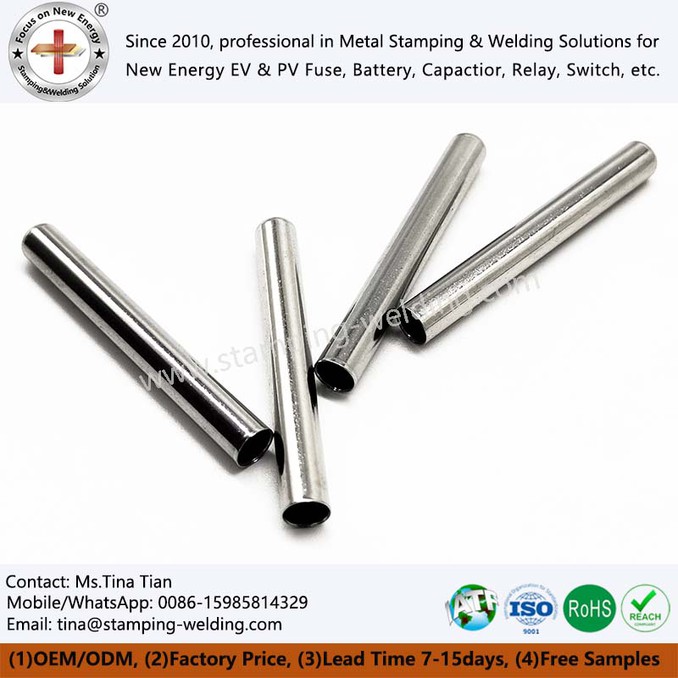
Comparison of molding characteristics
From the perspective of material forming characteristics, stainless steel has high hardness and strong resistance to deformation, but its overall ductility and forming performance are relatively weak. It also exhibits a significant tendency for work hardening, making finished products prone to springback. This makes it difficult to process complex, irregularly shaped, and deep-drawn structures, which places higher demands on processing technology for mainstream processes like Stamping 304 Stainless Steel. In contrast, copper, with its excellent ductility and flexibility, is suitable for various precision machining needs. It can easily complete the forming of complex, deep-drawn parts, offering a higher tolerance for process errors and more stable forming accuracy.
Difference in loss costs
The differences in process losses and production costs are also significant. Stainless steel, due to its high hardness, causes greater wear and tear on the molds during stamping, resulting in a relatively shorter mold lifespan. It also requires stringent standards for stamped oils and the precision of processing equipment, leading to higher overall processing costs and raising the production threshold for various Stainless Steel Stamped Parts. In contrast, copper is soft, has low deformation resistance, and experiences extremely low mold wear during processing. The processing flow is smoother and more efficient, requiring no high-specification consumables, making overall production costs more controllable and suitable for large-scale mass production.
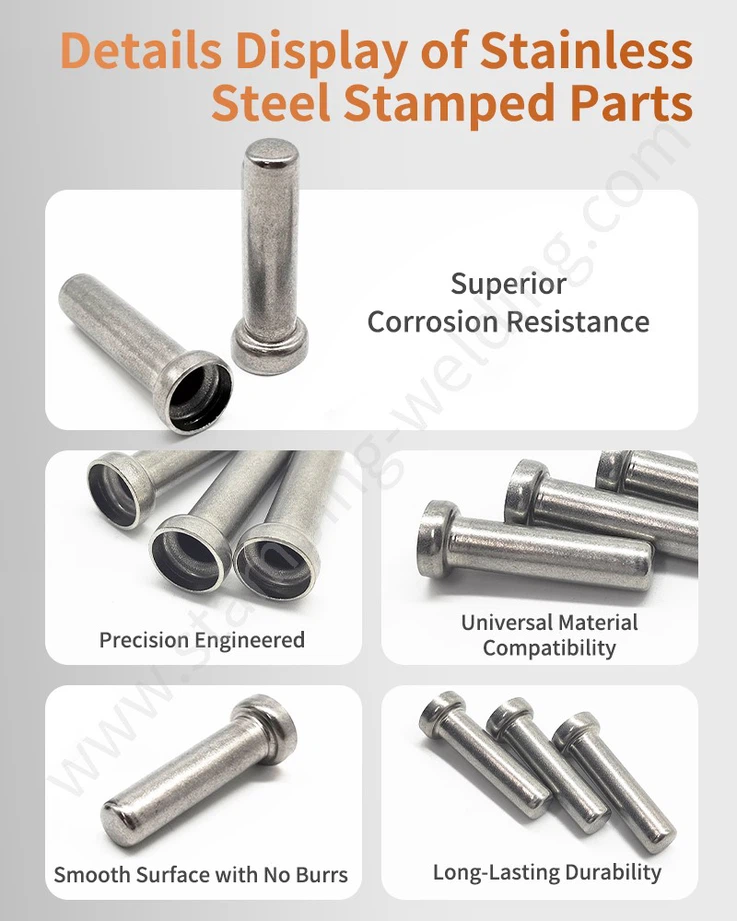
Material performance
In terms of physical properties and weather resistance, both types of stamped products have their advantages. Stainless steel stamped products possess high strength and high wear resistance, while also exhibiting excellent resistance to rust and acid/alkali corrosion, making them suitable for various harsh working environments. Leveraging mature Metal Stamping Techniques, they can stably produce components suitable for medical devices, automotive hardware, kitchenware, and outdoor corrosion-resistant structural parts. Copper stamped products, on the other hand, have significant drawbacks. Their material strength and hardness are relatively low, and they are prone to oxidation and discoloration with prolonged use, typically requiring surface treatment. However, this material boasts excellent electrical and thermal conductivity, making it a core material in the electronics, electrical engineering, and heat dissipation components industries.

Industry development trends
As the precision manufacturing industry continues to upgrade, customized processing models such as Stainless Metal Stamping are becoming increasingly mature, and the processes of stainless steel and copper plate stamping are becoming more refined. By accurately selecting materials based on their core characteristics and process differences, industry professionals can effectively optimize product quality, control production costs, and help the hardware stamped processing industry steadily develop towards refinement, adaptability, and efficiency.
Contact Us
If you require precise matching of Stainless Metal Stamping processes based on product operating conditions and performance requirements, and wish to obtain a high-precision, cost-effective customized stamping solution, please feel free to contact us.