

Brass Stampings for the Electrical Industry
Brass Stampings for the Electrical Industry are made from brass sheet or strip for terminals, contacts, connectors, and switch components. Nickel, tin, silver, gold, or copper plating is available. Xiamen Apollo integrates stamping, bending, plating, CNC, laser processing, and in-house tooling, backed by 30+ years of electrical industry experience and ISO 9001, IATF 16949, RoHS, and REACH compliance.
- Fast Delievery
- Quality Assurance
- 24/7 Customer Service
Product Introduction

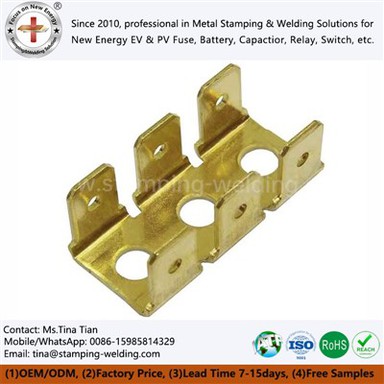
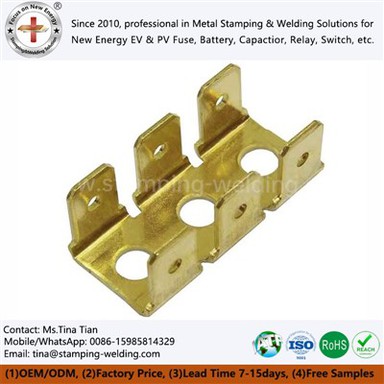
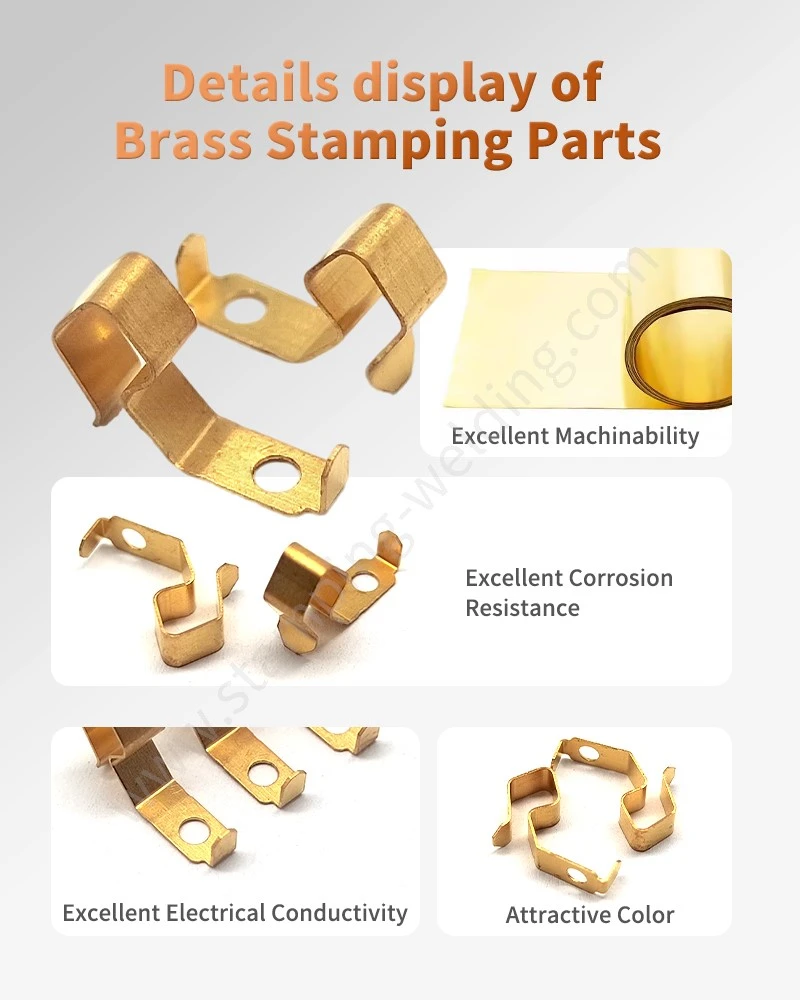
Brass Stampings for the Electrical Industry are manufactured for conductive and mechanical functions in switches, sockets, connectors, terminals, control components, and industrial electrical assemblies. The parts can incorporate mounting holes, contact areas, slots, bends, tabs, and other functional features within a single stamped component.
Technical Specifications of Brass Stampings for the Electrical Industry
| Parameter | Typical Manufacturing Scope |
| Base Material | Brass Sheet / Brass Strip |
| Material Grade | CuZn alloys according to application |
| Part Geometry | Terminals, Contacts, Tabs, Slots, Mounting Features |
| Edge Condition | Controlled Burr Height according to drawing |
| Surface Treatment | Nickel, Tin, Silver, Gold or Copper Plating if specified |
| Electrical Function | Conductive Terminals and Contact Components |
Application Fields of Brass Stampings for the Electrical Industry
Hardware Decoration
Brass Contact Plug Pin for Electric Switch Socket Parts are extensively applied in a variety of hardware decoration products, including door handles, locks, bathroom fittings, lamp housings and decorative strips. Boasting an attractive luster and excellent processability, this component can not only fulfill the functional demands of products but also upgrade their decorative effect and overall quality.
Electronic appliances
It is applied to produce components like connectors, terminals, switch contacts and heat sinks for electronic devices. With moderate conductivity and superior mechanical properties, it can meet the electrical performance and structural strength requirements of electronic and electrical products, thus ensuring the stable operation of Brass Stampings for the Electrical Industry.
Mechanical manufacturing
In the mechanical manufacturing field, it is capable of manufacturing parts including gears, shaft sleeves, bushings, valves and pipe fittings. Sheet Metal Brass Stamping features excellent wear resistance, corrosion resistance and moderate mechanical properties, enabling it to adapt to various mechanical working environments and guarantee the normal operation of mechanical equipment.

Frequently Asked Questions about Brass Stampings for the Electrical Industry
Q: What materials are commonly used for Brass Stampings for the Electrical Industry?
A: Brass sheet and strip are commonly selected for electrical stamping components because they provide a balance of electrical conductivity, formability, and mechanical strength. CuZn alloy selection can be adjusted according to the terminal, contact, connector, or structural requirements of the finished component.
Q: What electrical components can be produced from brass stampings?
A: Brass stamping processes can produce connectors, terminals, switch contacts, plug pins, and other electrical accessories. Punching, blanking, and forming operations allow different contact profiles, mounting features, and connection geometries to be produced according to the electrical assembly design.
Q: Can brass stampings be used for electronic appliances?
A: Yes. Brass stamped parts can be used in connectors, terminals, switch contacts, and selected heat-dissipation components for electronic and electrical equipment. The material and geometry can be specified according to conductivity, mechanical strength, assembly dimensions, and the operating conditions of the equipment.
Q: What surface treatments are available for brass stamped parts?
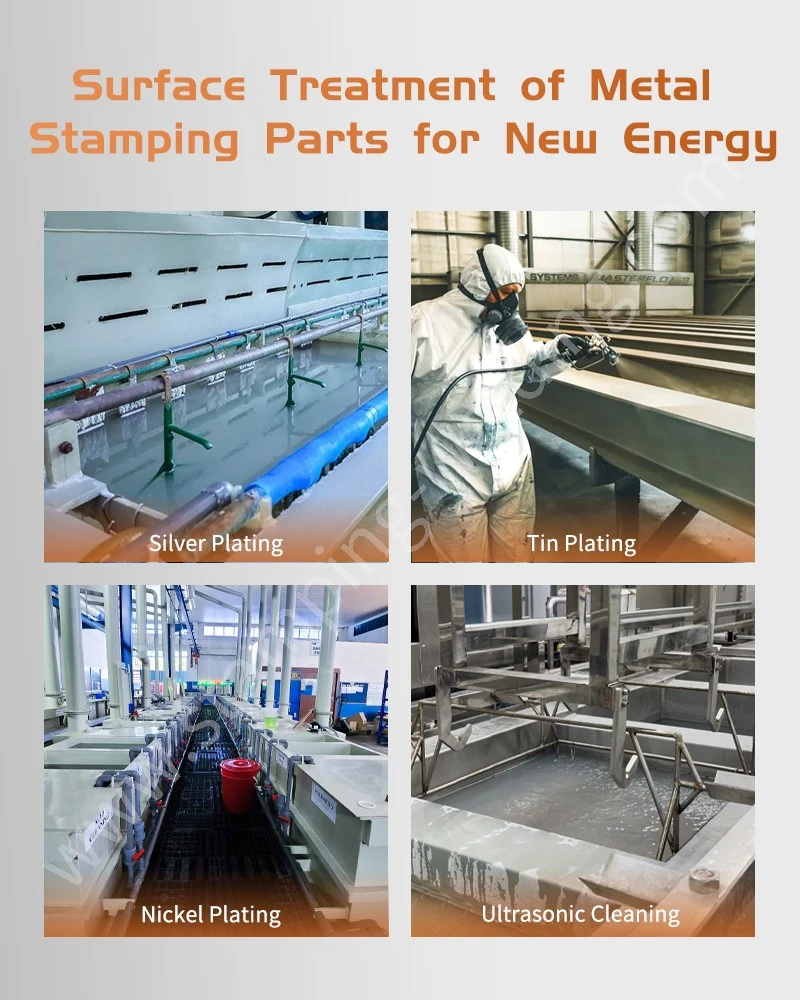
A: Depending on the application, brass stampings can receive nickel, tin, silver, gold, or copper plating. Surface treatment can be selected according to electrical contact requirements, corrosion exposure, appearance, solderability, and the operating environment of the finished component.
Q: How are brass stamped parts specified for different applications?
A: The main specifications include brass alloy grade, sheet or strip thickness, component geometry, burr condition, surface treatment, and electrical function. For electrical components, additional requirements such as contact geometry, terminal dimensions, and assembly interfaces can be defined on the customer's drawing.
Contact Us
Submit your 2D/3D CAD drawings (STEP, DWG, PDF) or contact specifications today for a rapid DFM engineering evaluation and direct factory quote within 24 hours.
Hot Tags: Brass Stampings for the Electrical Industry,Electrical Brass Stamping Parts,Brass Sheet Metal Stamping,Brass Precision Stamping Parts,Custom Brass Stamping Parts,Electrical Brass Stamping Manufacturer,Brass Stamping Supplier,OEM Brass Stamping Parts,Brass Terminal Stamping,Electrical Terminal Stamping,Brass Switch Socket Parts,Brass Connector Stamping,Progressive Die Stamping Brass,Precision Brass Stamping,Brass Sheet Stamping Factory