

Industrial Machinery Brass Stamping Parts
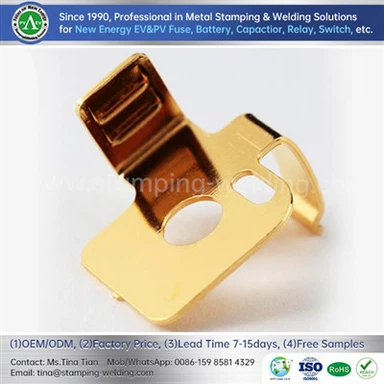
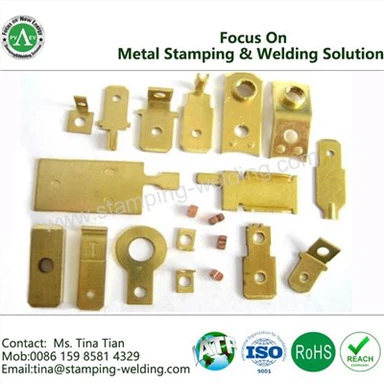
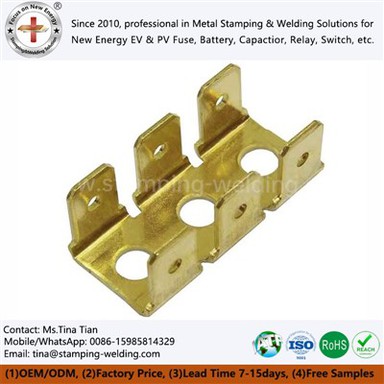
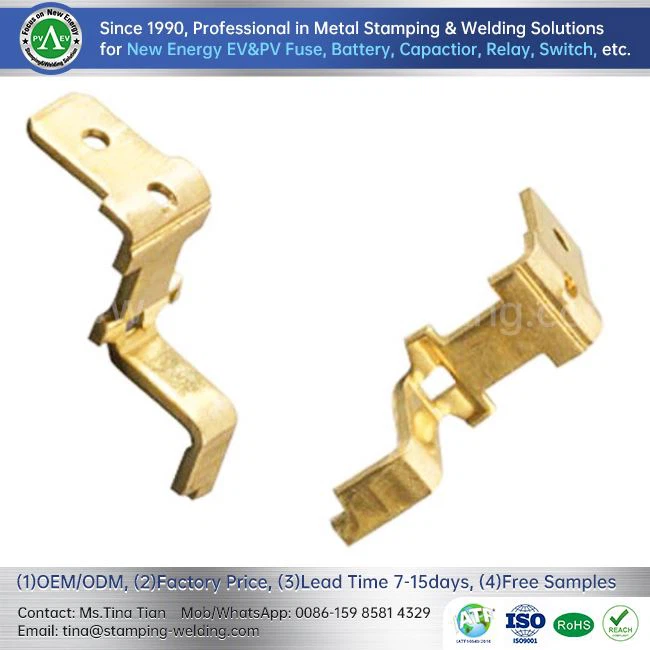
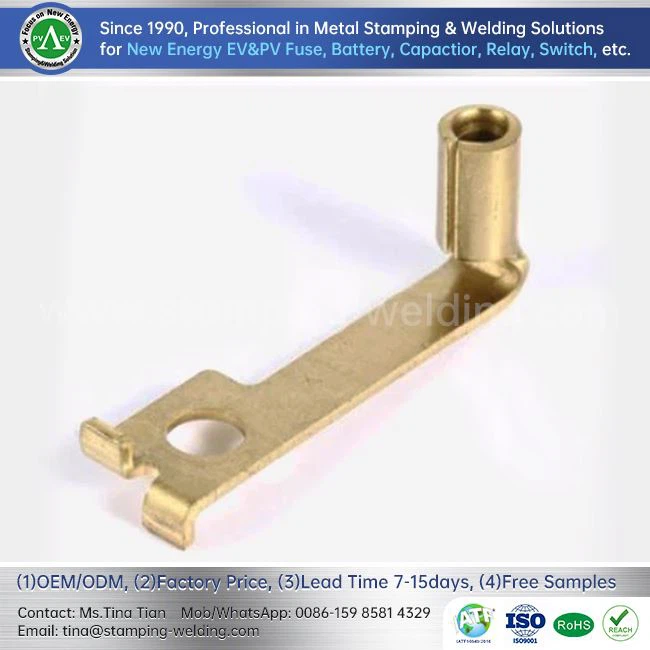
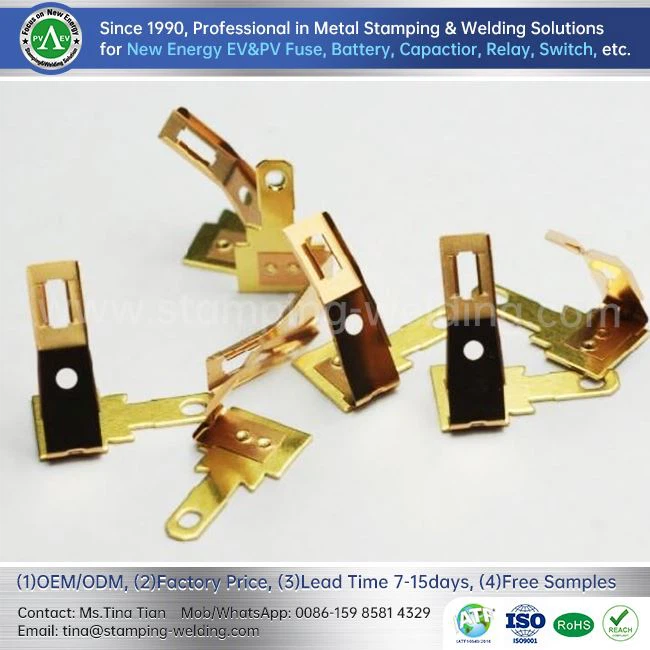
Industrial machinery brass stamping parts are specialized components manufactured through the process of brass stamping, which involves shaping and forming brass sheets or coils using precision dies and presses. These parts serve a vital role in various industries by providing durable and accurate solutions for a wide range of industrial equipment and machinery. Known for their exceptional strength, corrosion resistance, and electrical conductivity, brass stamping parts are used to create intricate shapes and designs that fulfill specific functional requirements. These parts find application in diverse sectors, including manufacturing, automotive, electronics, aerospace, and more, where their precision and reliability contribute to the overall efficiency and performance of industrial machinery and systems.
- Fast Delievery
- Quality Assurance
- 24/7 Customer Service
Product Introduction
PRODUCT INTRODUCTION
Industrial machinery brass stamping parts are specialized components manufactured through the process of brass stamping, which involves shaping and forming brass sheets or coils using precision dies and presses. These parts serve a vital role in various industries by providing durable and accurate solutions for a wide range of industrial equipment and machinery. Known for their exceptional strength, corrosion resistance, and electrical conductivity, brass stamping parts are used to create intricate shapes and designs that fulfill specific functional requirements. These parts find application in diverse sectors, including manufacturing, automotive, electronics, aerospace, and more, where their precision and reliability contribute to the overall efficiency and performance of industrial machinery and systems.

MATERIAL
——
Brass is chosen as a preferred raw material for a multitude of applications due to its exceptional combination of mechanical, electrical, and aesthetic properties. Comprising an alloy primarily of copper and zinc, brass offers inherent durability, corrosion resistance, and malleability, making it suitable for intricate and precise manufacturing processes. Its superior thermal and electrical conductivity allows for efficient heat dissipation and accurate current flow, rendering it indispensable in applications where these properties are critical. Additionally, brass's versatility extends to its aesthetic appeal, as it can be polished to a lustrous finish or treated for specific textures, catering to both functional and visual requirements. This unique blend of attributes positions brass as a reliable and versatile material across industries, contributing to the performance, longevity, and aesthetics of a diverse range of products and components.
PRODUCT FUNCTION
——
- Structural Integrity: Brass stamping parts are used to create structural components that provide stability and support within industrial machinery. These parts contribute to the overall integrity and strength of the equipment, ensuring safe and reliable operation.
- Conductive Pathways: Brass's excellent electrical conductivity makes it ideal for creating conductive pathways and connections within machinery. Stamping parts serve as connectors, terminals, and contact points for electrical circuits, allowing the smooth flow of current.
- Heat Dissipation: In machinery that generates heat, brass stamping parts with good thermal conductivity help in dissipating heat efficiently. They can be utilized as heat sinks or components that facilitate the transfer of thermal energy away from critical components.
- Mechanical Attachment: Brass stamping parts are employed for mechanical attachment, fastening, and joining of various components within machinery. They ensure secure connections and prevent unintended separations.
- Guidance and Support: Stamping parts can serve as guides, supports, and mounting points for moving parts within industrial machinery. They contribute to proper alignment and smooth movement, minimizing friction and wear.
- Fluid Control: In machinery involving fluid or gas flow, brass stamping parts can create valves, connectors, and fittings that control the movement and direction of fluids, contributing to the precision of the system.
- Sealing and Gasketing: Brass stamping parts can be used to create gaskets, seals, and washers that prevent leaks, maintain pressure, and ensure the integrity of fluid containment systems.
- Noise and Vibration Dampening: Stamping parts can be incorporated as components that dampen noise and vibrations, enhancing the comfort of operators and reducing wear on machinery.
- Precision Tolerances: Brass stamping allows for the creation of parts with high precision and tight tolerances, ensuring that components fit together accurately and function seamlessly.
- Customization: Brass stamping parts can be customized to meet specific requirements, including shape, size, and design, allowing for tailored solutions that match the unique needs of different machinery.
- Wear Resistance: Brass's inherent wear resistance makes it suitable for components that experience friction and movement, helping to extend the lifespan of machinery.
- Corrosion Resistance: The corrosion-resistant properties of brass make it suitable for use in machinery exposed to moisture or harsh environments, ensuring long-lasting performance.
- Aesthetic Enhancement: In addition to their functional roles, brass stamping parts can enhance the visual appeal of machinery through decorative elements and finishes.
- Interchangeability: Stamping parts are manufactured with consistent precision, enabling interchangeability and easy replacement of components when needed.

PROSPECTS
——
- Technological Advancements:
Prospects for industrial machinery brass stamping parts are promising due to ongoing technological advancements in manufacturing processes and materials.
- Material Innovations:
Continued research into advanced brass alloys and material compositions will lead to enhanced properties such as increased strength, better conductivity, and improved corrosion resistance.
- Precision Manufacturing:
The prospects include more precise manufacturing techniques, enabling the creation of intricate and highly accurate brass stamping parts for complex machinery assemblies.
- Miniaturization Potential:
As technology advances, brass stamping parts could be developed with even smaller dimensions, making them suitable for compact and space-constrained machinery.
- Customization Capabilities:
Prospective developments involve the ability to customize brass stamping parts to meet specific machinery requirements, resulting in tailor-made solutions for various industrial applications.
- Integrated Smart Features:
The integration of smart technologies, such as embedded sensors or RFID tags, could enable real-time monitoring, diagnostics, and data feedback for enhanced machinery performance.
- Improved Heat Dissipation:
Future developments might focus on optimizing the heat dissipation properties of brass stamping parts, making them even more efficient for thermal management in machinery.
- Sustainability Initiatives:
Brass stamping parts are likely to align with sustainability goals through the use of eco-friendly materials and manufacturing practices, contributing to greener industrial machinery.
- Enhanced Electrical Conductivity:
Research and innovation may lead to brass stamping parts with improved electrical conductivity, vital for applications where accurate current flow is essential.
- Advanced Surface Treatments:
The prospects include the development of advanced surface coatings and treatments that enhance wear resistance, corrosion protection, and aesthetic appeal.
- Industry-Specific Solutions:
Brass stamping parts could be tailored for specific industries, providing optimized solutions for sectors like aerospace, automotive, electronics, and more.
- Global Industrial Growth:
The expanding global industrial landscape ensures robust prospects for brass stamping parts, as machinery requirements continue to grow in various sectors.
- Collaborative Research:
Collaborations between manufacturers, research institutions, and industry experts will drive innovative developments, ensuring brass stamping parts remain at the forefront of industrial technology.
- Evolving Manufacturing Techniques:
New manufacturing methods, such as additive manufacturing or 3D printing, might influence the design and production of brass stamping parts, leading to novel possibilities.
- Efficiency and Performance Boost:
Ultimately, the prospects for industrial machinery brass stamping parts lie in their ability to continually enhance the efficiency, reliability, and overall performance of industrial equipment and machinery.
——
We always put quality first and strictly follow ISO9001 and IATF16949 certification standards. Through multiple quality inspection procedures, we ensure that each product meets high standards and provides reliable quality assurance.

CONTACT US
——
If you have any need, please feel free to contact us!

Hot Tags: industrial machinery brass stamping parts, China, manufacturers, suppliers, factory