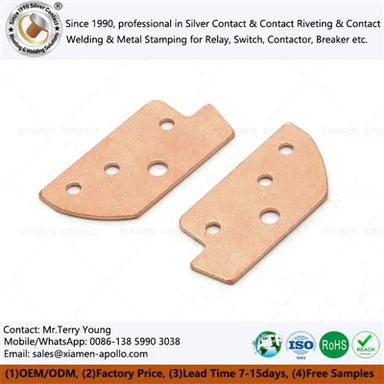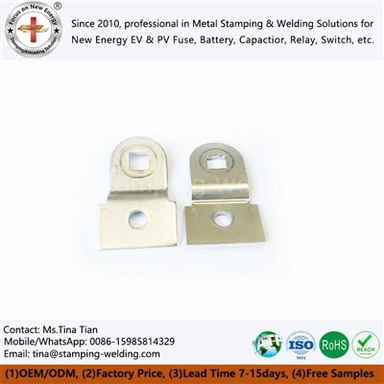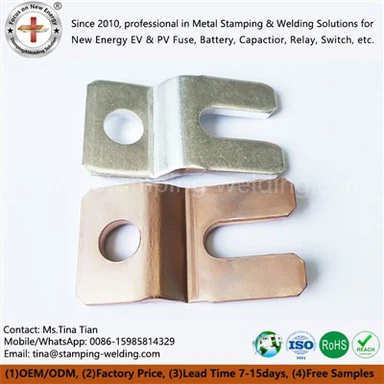
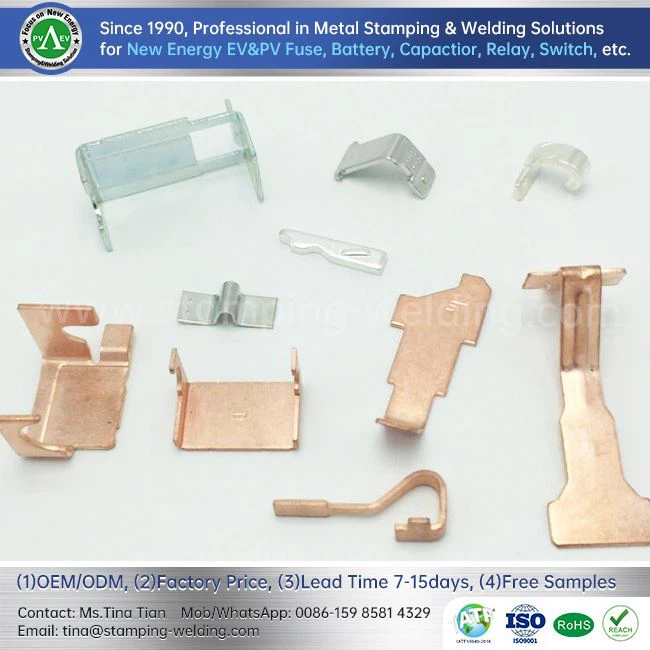


Copper Stamping Parts For Electrical Connections
Copper stamping parts for electrical connections are essential components used in various electrical and electronic applications. These precision-engineered parts are typically fabricated from high-quality copper alloys, renowned for their excellent electrical conductivity and corrosion resistance. Copper stamping parts serve as reliable connectors, ensuring efficient and low-resistance electrical pathways between different components and circuits. They find extensive use in electrical panels, printed circuit boards (PCBs), switches, relays, connectors, and other electrical devices. With their ability to be formed into intricate shapes through stamping processes, these copper parts offer versatility and cost-effectiveness in manufacturing. Whether in industrial applications or consumer electronics, copper stamping parts play a crucial role in maintaining robust and dependable electrical connections for seamless performance and enhanced safety.
- Fast Delievery
- Quality Assurance
- 24/7 Customer Service
Product Introduction
PRODUCT INTRODUCTION
Copper stamping parts for electrical connections are essential components used in various electrical and electronic applications. These precision-engineered parts are typically fabricated from high-quality copper alloys, renowned for their excellent electrical conductivity and corrosion resistance. These parts serve as reliable connectors, ensuring efficient and low-resistance electrical pathways between different components and circuits. They find extensive use in electrical panels, printed circuit boards (PCBs), switches, relays, connectors, and other electrical devices. With their ability to be formed into intricate shapes through stamping processes, these copper parts offer versatility and cost-effectiveness in manufacturing. Whether in industrial applications or consumer electronics, copper stamping parts play a crucial role in maintaining robust and dependable electrical connections for seamless performance and enhanced safety.

PRODUCT FUNCTIONS
Copper stamping parts for electrical connections are crucial components used in a wide range of electrical and electronic systems. These parts are manufactured through stamping processes, where sheets of high-quality copper or copper alloys are shaped into precise and intricate forms. Copper is chosen for its excellent electrical conductivity, thermal properties, and corrosion resistance, making it an ideal material for establishing reliable electrical pathways. Copper stamping parts play several important functions in electrical connections, and their features contribute to the efficiency, safety, and performance of various electrical systems.
- Electrical Conductivity: One of the primary functions of these parts is to provide efficient electrical conductivity. Copper is known for its exceptional conductive properties, allowing electricity to flow through the stamped parts with minimal resistance. This low-resistance pathway ensures that electrical currents can pass smoothly and without significant energy losses, promoting efficient operation and preventing overheating.
- Connectors and Terminals: Copper stamping parts are commonly used as connectors and terminals in electrical devices and systems. They serve as points of connection between different components, wires, or PCB tracks, enabling the transfer of electrical signals or power between them. Whether in switches, relays, connectors, or electrical panels, these stamped copper parts facilitate seamless electrical connections.
- High Precision and Customization: The stamping process allows for high precision in shaping copper parts, making it possible to create complex and customized designs. Manufacturers can produce copper stamping parts tailored to specific applications, ensuring a perfect fit and optimal performance in various electrical systems.
- Versatility in Applications: Copper stamping parts find applications in a wide variety of electrical and electronic devices, ranging from consumer electronics like smartphones and laptops to industrial equipment, automotive systems, and power distribution panels. Their adaptability and compatibility with diverse systems make them a versatile choice for designers and engineers.
- Durability and Longevity: Copper is a durable material with excellent resistance to corrosion and environmental factors. Copper stamping parts are designed to withstand the rigors of daily use and challenging operating conditions. Their longevity and reliability ensure stable electrical connections over the device's lifetime, reducing maintenance and replacement costs.
- Thermal Management: In high-power electrical applications, thermal management is crucial to prevent overheating and ensure safety. Copper's excellent thermal conductivity helps dissipate heat efficiently, making it suitable for applications where heat dissipation is a concern, such as power distribution systems and motor controllers.
- Cost-Effectiveness: These stamping parts offer a cost-effective solution for establishing electrical connections compared to other materials. Copper's abundance and ease of manufacturing make it a cost-efficient choice without compromising performance.
- Safety and Compliance: Copper stamping parts contribute to the overall safety of electrical systems. With proper design and manufacturing, they help prevent loose connections, arcing, and short circuits that can lead to electrical hazards. Copper is also non-toxic, making it safe for use in various consumer electronics and electrical appliances.

SURFACE TREATMENT
- Tin Plating: Tin plating is a widely used surface treatment for these stamping parts. It provides excellent corrosion resistance, protecting the copper surface from oxidation and environmental factors. Tin plating also improves solderability, allowing for secure and reliable solder joints during assembly.
- Nickel Plating: Nickel plating is another common surface treatment option. It enhances the surface's hardness and wear resistance, protecting the copper stamping parts from mechanical abrasion and extending their lifespan. Nickel plating also improves solderability and provides a barrier against diffusion between copper and other materials.
- Silver Plating: Silver plating is chosen for its exceptional electrical conductivity and low contact resistance. Copper stamping parts with silver plating offer improved electrical performance, making them suitable for applications requiring high electrical conductivity and minimal signal loss.
- Gold Plating: Gold plating provides excellent corrosion resistance and ensures a stable contact interface with other materials. While gold is a precious metal, its surface treatment on the product is preferred in applications where reliable and low-resistance electrical contacts are paramount.
- Passivation: Passivation involves the formation of a protective oxide layer on the copper surface. This process improves the part's resistance to corrosion and environmental degradation without significantly affecting its electrical properties.
- Electroless Nickel Immersion Gold (ENIG): ENIG is a two-layer surface treatment that combines the advantages of nickel plating and gold plating. The nickel layer provides mechanical protection and solderability, while the gold layer offers excellent electrical performance and corrosion resistance.
- Anti-Tarnish Coating: An anti-tarnish coating is sometimes applied to prevent the copper surface from tarnishing and discoloration, preserving its appearance and performance over time.

PRODUCT APPLICATIONS
Surface treatment is a critical step in the manufacturing of stamping parts for electrical connections. These treatments are applied to enhance the functional properties, protect against corrosion, improve solderability, and provide aesthetic appeal to the parts. Various surface treatment methods are commonly used for copper stamping parts in electrical connections.
- Electroplating: Electroplating is a widely used surface treatment method for copper stamping parts. In this process, a thin layer of metal is deposited onto the copper surface through an electrochemical reaction. Common metals used for electroplating copper parts include tin, nickel, silver, gold, and palladium. Each metal offers distinct advantages, such as improved solderability, enhanced corrosion resistance, and aesthetic appeal. For instance, tin-plating is commonly used to prevent oxidation and facilitate soldering in PCB applications.
- Tin Mist (Tin Whiskers Mitigation): Tin mist or tin whiskers are tiny, hair-like structures that can grow on the surface of tin-plated copper parts over time. These whiskers can cause short circuits and other issues in electrical connections. To mitigate tin whisker formation, special treatments are applied during the plating process. One common method is the addition of small amounts of other metals, such as bismuth or nickel, which help reduce the formation of tin whiskers.
- Hot Dip Tinning: Hot dip tinning is a process where copper stamping parts are immersed in a bath of molten tin. The parts are coated with a thin layer of tin, providing excellent solderability and corrosion resistance. Hot dip tinning is particularly suitable for large or irregularly shaped parts that are difficult to electroplate effectively.
- Chemical Passivation: Chemical passivation is a surface treatment method used to protect copper stamping parts from corrosion. It involves applying a thin chemical film on the copper surface to create a barrier against environmental factors that can cause oxidation or tarnishing. The passivation process can be combined with other treatments, such as electroplating, to enhance the overall protection of the parts.
- Selective Plating: In some applications, only specific areas of the copper stamping parts need plating, leaving other areas uncoated. Selective plating is achieved through masking techniques, where certain regions of the part are masked off before the plating process. This method is useful in applications where localized plating is required for specific functionalities.
- Chemical Etching: Chemical etching is used for the precision etching of copper stamping parts to create fine patterns or custom designs on the surface. This method is particularly useful in applications where aesthetics and branding are essential.

FAQ
——
Q1: Are Your Products Customizable For Specific Applications?
A1: Absolutely! We offer customization options for our products to meet the unique requirements of different applications.
Q2:What Are Your Certificates?
A2: We have RoHS, ISO9001, and IATF 16949 certificates.
Q3:Do You Test All Your Goods Before Delivery?
A3: Yes, we have 100% test before delivery.
Q4:How Can I Get A Quotation From Your Company?
A4:In order to quote you asap, we need the following information:
1/Detailed drawings(Format:CAD/PDF/DWG/STEP/IGES)
2/Material
3/Quantity
4/Surface treatment
5/Any special packaging or another requirement
Q5:How Long Can I Get A Quotation?
A5:After you send us the product drawing(including material), we can give you the quotation within 4 hours.
Q6: Can you provide samples?
A6: Yes, please provide your detailed requirements.
Q7: How Can I Request A Quote Or Place An Order For Your Products?
A7:To request a quote or place an order, please contact our sales team through our website, email, or phone. We will be happy to assist you and provide the necessary information.
QUALITY ASSURANCE
——
We always put quality first and strictly follow ISO9001 and IATF16949 certification standards. Through multiple quality inspection procedures, we ensure that each product meets high standards and provides reliable quality assurance.

CONTACT US
——
If you have any need, please feel free to contact us!

Hot Tags: copper stamping parts for electrical connections, China, manufacturers, suppliers, factory