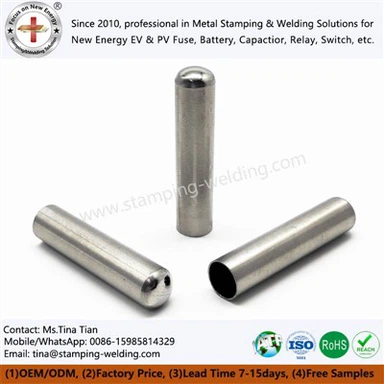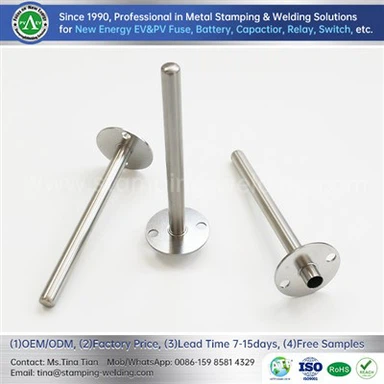


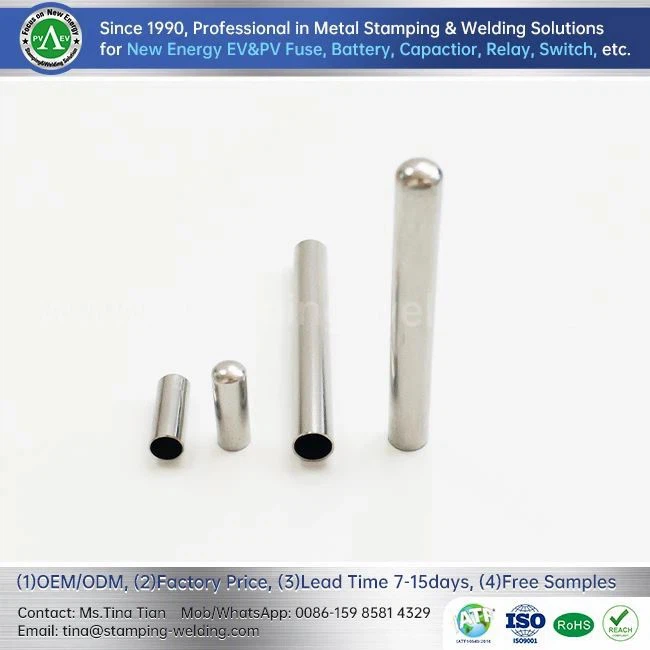
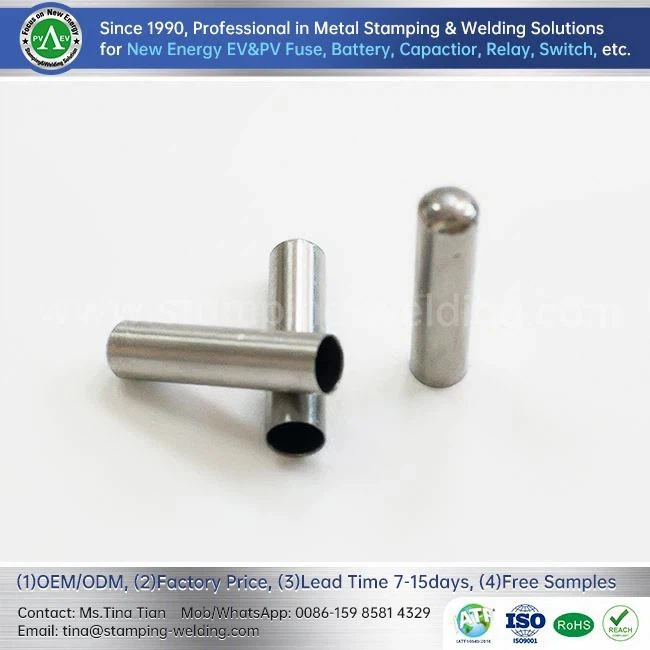


Casing Shell For Steering Angle Sensor
The Casing Shell for the Steering Angle Sensor is a protective enclosure designed to house and safeguard the steering angle sensor unit within a vehicle's steering system. Crafted from durable materials, it shields the sensor from external elements, mechanical stresses, and contaminants, ensuring accurate and reliable measurement of the steering angle. This casing shell plays a critical role in maintaining the sensor's performance and the overall safety and functionality of the vehicle's steering system.
- Fast Delievery
- Quality Assurance
- 24/7 Customer Service
Product Introduction
PRODUCT INTRODUCTION
The Casing Shell for the Steering Angle Sensor is a protective enclosure designed to house and safeguard the steering angle sensor unit within a vehicle's steering system. Crafted from durable materials, it shields the sensor from external elements, mechanical stresses, and contaminants, ensuring accurate and reliable measurement of the steering angle. This casing shell plays a critical role in maintaining the sensor's performance and the overall safety and functionality of the vehicle's steering system.

PRODUCT APPLICATIONS
--
- Electronic Stability Control (ESC): It plays a vital role in ESC systems by accurately measuring the steering angle. ESC uses this data to apply selective braking to individual wheels and stabilize the vehicle during sudden maneuvers or skidding.
- Traction Control System (TCS): TCS relies on steering angle information to prevent wheel spin and improve traction during acceleration, particularly on slippery surfaces. The casing shell ensures precise sensor readings for effective TCS operation.
- Advanced Driver Assistance Systems (ADAS): In the context of ADAS, the steering angle sensor helps enable features like lane-keeping assistance and adaptive cruise control. The casing shell ensures that the sensor operates reliably to support these safety and convenience functions.
- Electric Power Steering (EPS): Many modern vehicles utilize EPS systems for power-assisted steering. The steering angle sensor is a critical component in EPS, and the casing shell protects it from external factors, ensuring smooth and responsive steering.
- Wheel Alignment: In automotive workshops, steering angle sensors are used for wheel alignment procedures. The casing shell helps maintain the accuracy of these sensors, ensuring precise alignment adjustments.
- Tire Pressure Monitoring Systems (TPMS): Some TPMS systems use steering angle data to improve the accuracy of tire pressure measurements. The casing shell contributes to consistent sensor performance.
- Autonomous Vehicles: In the context of self-driving cars, steering angle sensors are integral to the vehicle's perception and control systems, aiding in safe navigation. The casing shell ensures the sensor's reliability in autonomous driving applications.

PROCESSING TECHNOLOGY
--
- Material Selection: The process begins with the careful selection of materials that meet the desired specifications for strength, durability, and resistance to environmental factors. Common materials include aluminum or engineering plastics.
- Die-Casting or Injection Molding: Depending on the chosen material, the shell is typically produced through die-casting (for aluminum) or injection molding (for plastics). In die-casting, molten metal is injected into a mold cavity to form the shell's shape. Injection molding involves injecting molten plastic into a mold to create the shell.
- Surface Preparation: After the initial molding or casting, the outer shell may undergo additional processes such as sandblasting or chemical etching to prepare the surface for further treatments and improve adhesion.
- Anodizing or Coating: Aluminum shells often undergo anodizing to enhance corrosion resistance and create a uniform, protective oxide layer. Plastic shells can be coated or painted to provide protection and for cosmetic purposes.
- Precision Machining: Precision machining processes may be used to create openings, grooves, or other features in the shell for mounting components or ensuring a precise fit within the vehicle's steering system.
- Quality Control Checks: Rigorous quality control measures are in place at various stages of manufacturing. These checks include visual inspections, dimensional measurements, and tests for thermal properties, electrical insulation, and durability.
- Assembly: After all quality checks are passed, the outer shell is assembled with the steering angle sensor and any required connectors, seals, or fasteners.
- Finishing and Labeling: The finished shell may receive additional finishing touches, such as labels, branding, or surface treatments for additional protection or aesthetics.
- Packaging: Once fully assembled and inspected, the Casing Shell for Steering Angle Sensor is prepared for packaging and distribution to automotive manufacturers or suppliers.

PRODUCT INSPECTION
--
- Visual Inspection: Carefully examine the exterior of each casing shell for surface defects, such as scratches, dents, or irregularities, ensuring a flawless appearance.
- Dimensional Checks: Verify critical dimensions, including length, width, and thickness, to ensure they align with precise specifications for proper fit and function.
- Surface Finish Inspection: Evaluate the quality of any surface treatments, such as anodizing or coating, for uniformity, thickness, and adhesion, which contribute to corrosion resistance and aesthetics.
- Heat Resistance Testing: Assess the shell's ability to withstand high temperatures by conducting thermal tests, ensuring it can endure the conditions it will encounter within the vehicle's steering system.
- Electrical Insulation Testing: Confirm that the casing shell provides effective electrical insulation to prevent short circuits and ensure the safe operation of the steering angle sensor.
- Durability Testing: Subject the shell to mechanical stress and environmental conditions that it may face during its service life, ensuring it can withstand the rigors of automotive applications.
- Component Compatibility: Verify that the casing shell aligns correctly with the steering angle sensor and any associated connectors or fasteners, allowing for a secure and proper assembly.
- Corrosion Resistance Testing: Assess the shell's resistance to corrosion by subjecting it to conditions that mimic exposure to moisture and environmental elements.
- Quality Control Records: Thoroughly review documentation, including quality control records and specifications, to confirm that each casing shell meets all requirements.
RELEVANT PRODUCTS
--
- Steering Angle Sensors: These sensors provide precise measurements of the steering wheel's position, and they work in tandem with the Casing Shell to ensure accurate data for various vehicle systems, including stability control and advanced driver assistance systems (ADAS).
- Automotive Control Units (ECUs): ECUs process data from the steering angle sensor and other vehicle sensors to make real-time decisions related to safety, stability, and driver assistance features. Our company may offer these critical control units.
- Connectors and Wiring Harnesses: Reliable connectors and wiring harnesses are essential for ensuring secure and proper electrical connections between the steering angle sensor, control units, and other vehicle components.
- Vehicle Stability Control Systems: These systems utilize steering angle sensor data, along with data from other sensors, to enhance vehicle stability and safety by adjusting brake and engine power as needed.
- Advanced Driver Assistance Systems (ADAS): ADAS components, such as lane-keeping assistance systems and adaptive cruise control, rely on steering angle data to assist drivers in various driving conditions.
- Automotive Electronics: Our company may offer a wide range of automotive electronics, including sensors, control units, and wiring components, that are integral to vehicle safety and performance.
- Steering Systems: Components related to steering systems, including electric power steering (EPS) systems, may be part of our product line, as they work closely with steering angle sensors.
OUR CUSTOMERS
--

CONTACT US

The casing shell for the steering angle sensor is made from corrosion-resistant and high-temperature materials using precision injection molding techniques. It is primarily used to protect the internal components of the sensor and is widely used in automotive steering systems.
Hot Tags: casing shell for steering angle sensor, China, manufacturers, suppliers, factory