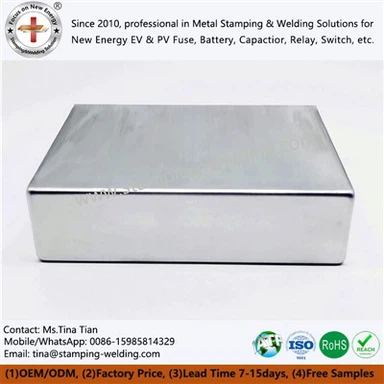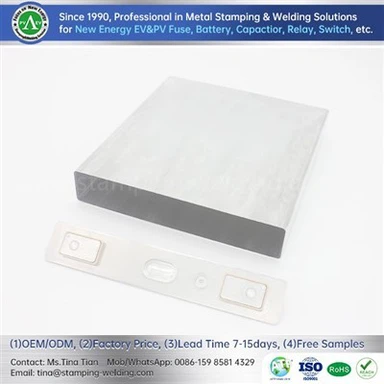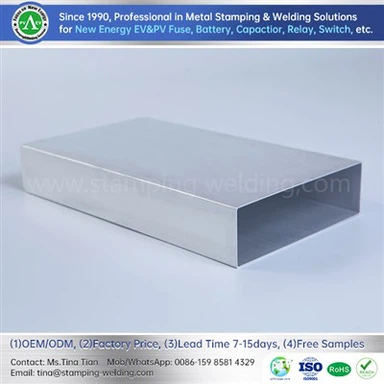
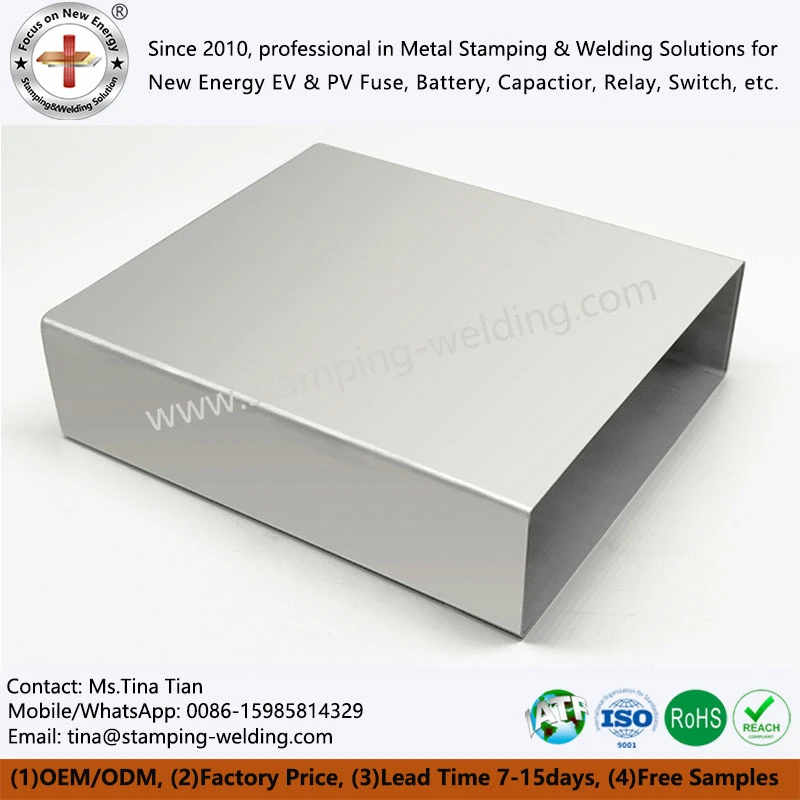

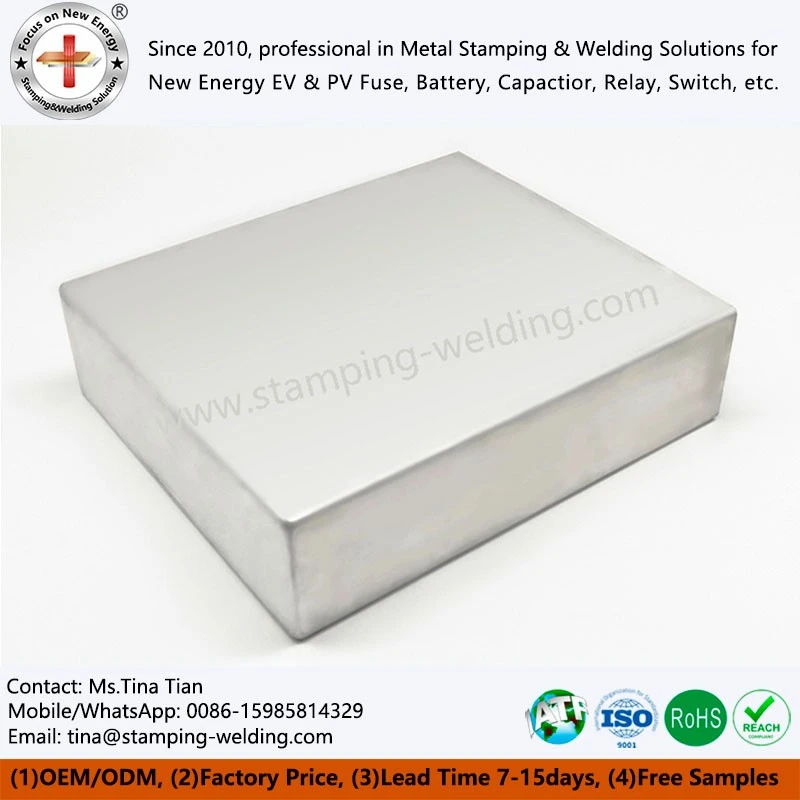
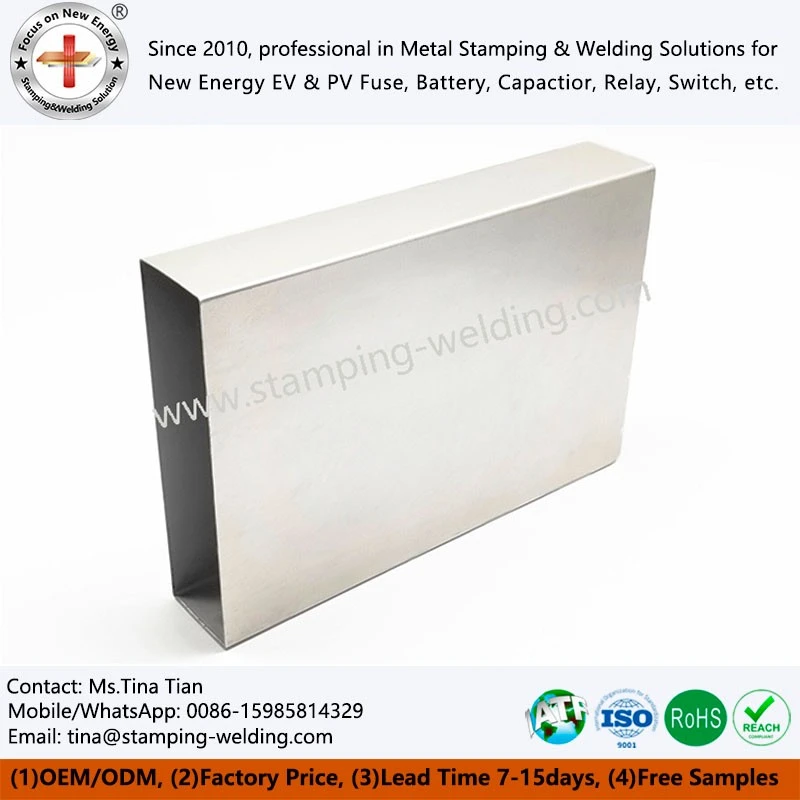
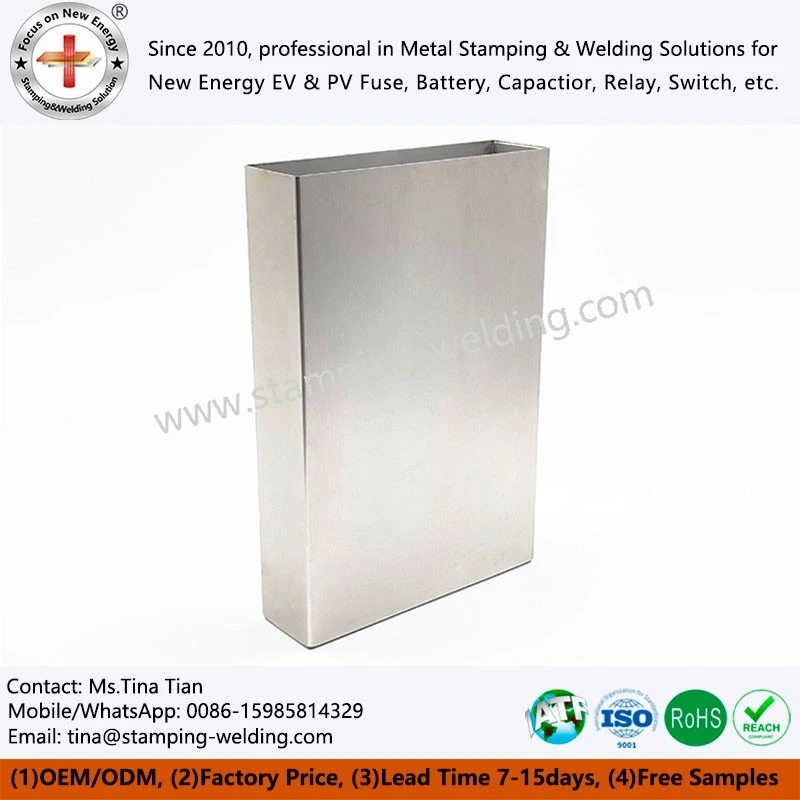
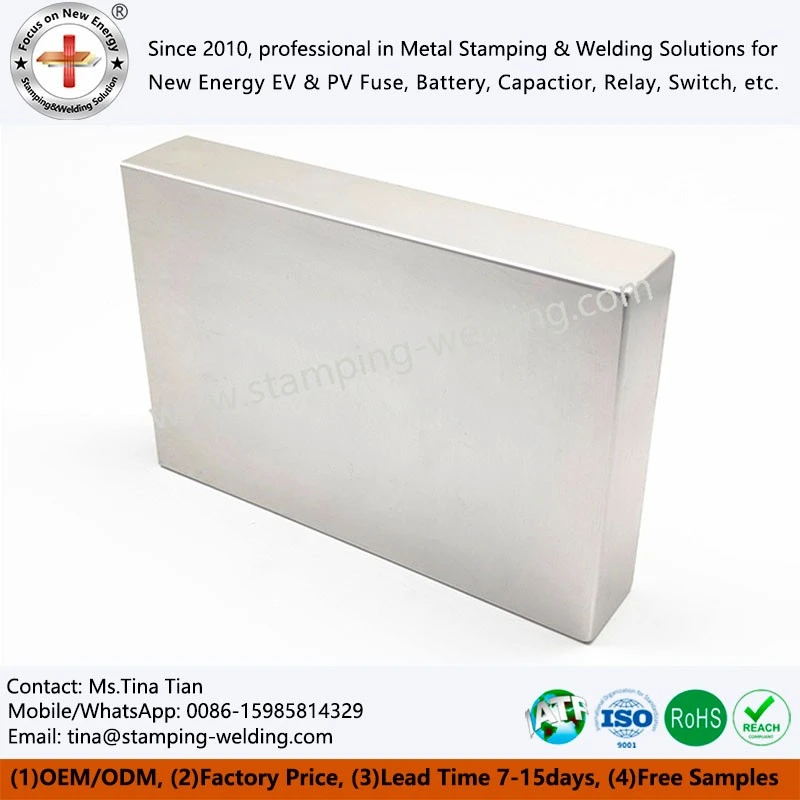
Aluminum Shell For Lithium Ion Prismatic Cell
An Aluminum shell for a lithium-ion prismatic cell is a metal enclosure designed for a rectangular or near-rectangular battery cell. Typically composed of an aluminum alloy housing, a cover plate, and associated connecting structures, it provides an external containment space and mechanical protection for the internal electrode assemblies, electrolyte, and other functional components. Unlike cylindrical cells, which utilize a rolled metal casing, prismatic lithium-ion cells employ a rectangular or quasi-rectangular enclosure. This design offers advantages such as higher space utilization, more orderly module arrangement, and greater ease of system integration. The aluminum shell not only defines the cell’s external dimensions and assembly boundaries but also influences internal space utilization, structural integrity, sealing processes, and the management of deformation during the battery's charge and discharge cycles.
- Fast Delievery
- Quality Assurance
- 24/7 Customer Service
Product Introduction
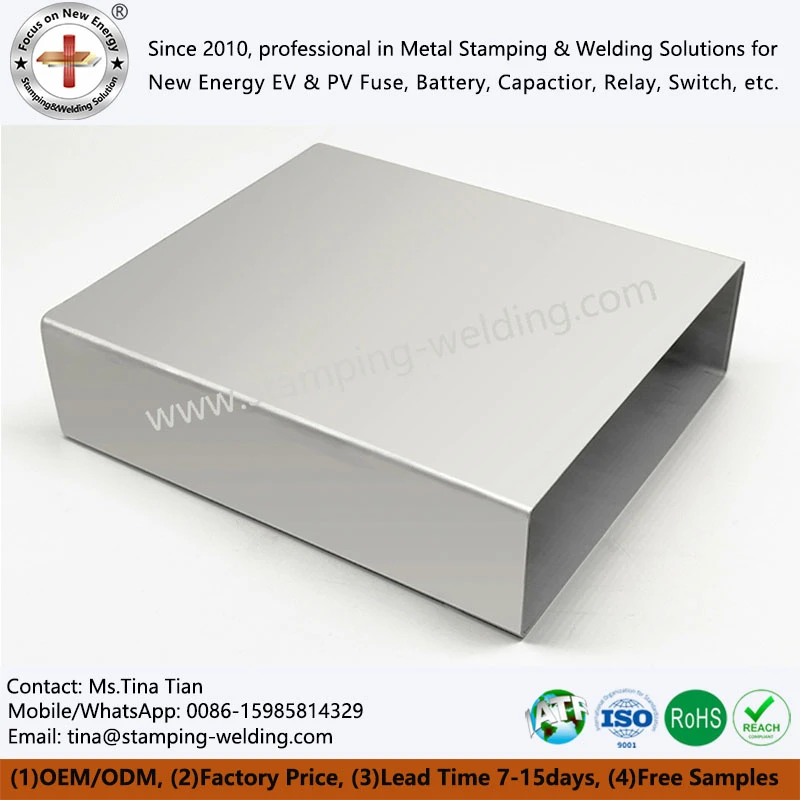
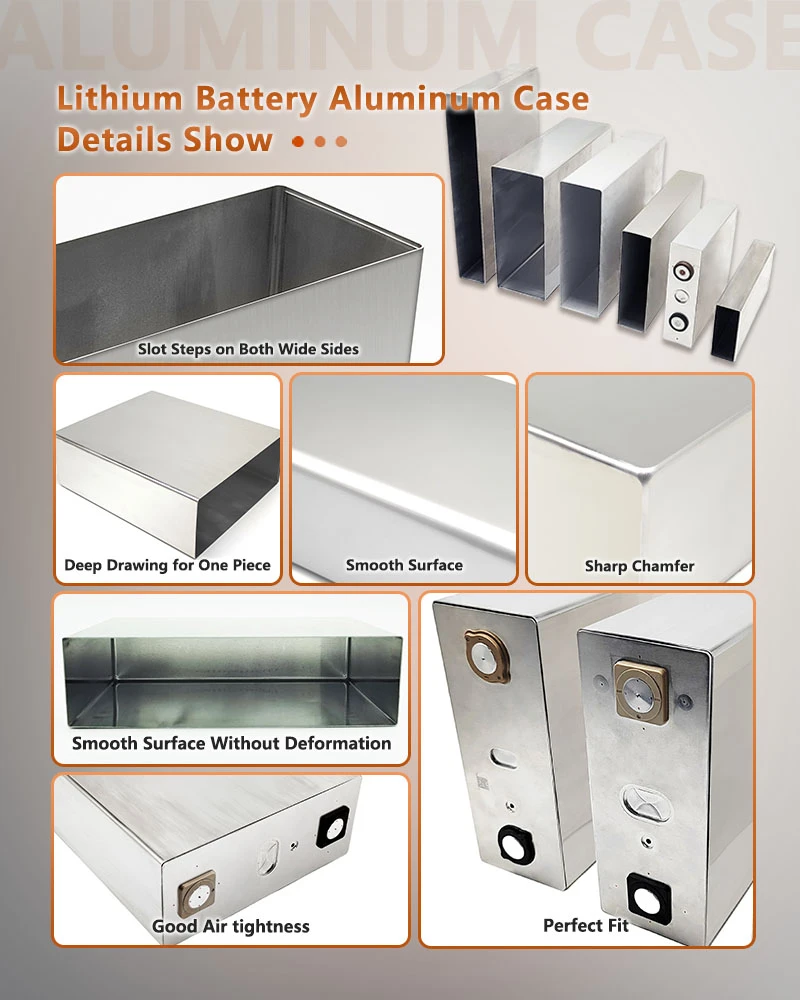
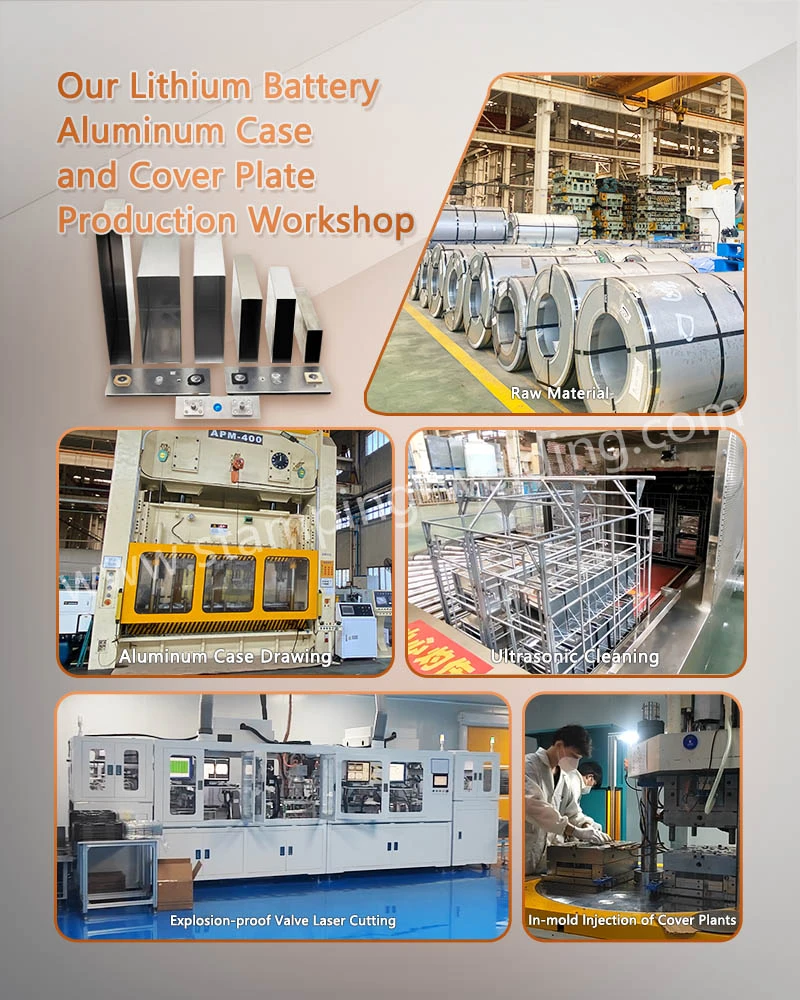
A prismatic aluminum casing is a rigid metal enclosure for a prismatic lithium-ion battery cell. It is manufactured from battery-grade aluminum alloy sheets through a continuous deep-drawing process and, once welded to a top-cover assembly, forms a fully sealed housing for the cell. It serves four primary functions: acting as a guardian of the internal chemical environment, a structural component that bears mechanical loads, a medium for heat dissipation, and a key element in the battery's safety-driven pressure-relief mechanism.
Compared to soft-pack (pouch) configurations or cylindrical steel casings, the technical characteristics of prismatic aluminum casings can be summarized as follows:
Rigid Encapsulation: The casing provides a fixed geometric constraint for the cell's electrode assembly, allowing for controlled compaction and consistent interface contact.
Metallic Weldability: Aluminum alloy is inherently compatible with laser and ultrasonic welding processes, ensuring reliable sealing and robust conductive pathways.
Predictable Failure Modes: Potential issues-such as deformation, leakage, or cracking of the metal casing-can be detected and predicted using established methods.
Design Advantage for Lithium Ion Cell Aluminum Shell: Defining Structure Through Failure Modes
We adopt an approach of "identifying potential failure modes first, then determining the design"-translating common failure modes into specific structural requirements:
Expansion and Bulging
Gas generation and expansion forces during cycling can alter the external profile of the battery casing. Our design manages the direction of deformation by optimizing wall thickness distribution, side-wall rigidity, and bottom-surface geometry, ensuring no interference with the module structure.
01
Sealing Failure
Stress concentrations during electrolyte filling and sealing are frequent causes of seal compromise. We treat the geometry and edge conditions of the casing opening as critical design characteristics rather than mere aesthetic requirements.
02
Insulation Degradation
Insulation between the electrode terminals and the casing must remain stable under thermal cycling and vibration. We ensure this through a combination of insulation component design, precise contact interfaces, and gap management, rather than relying on any single part.
03
Welding Defects
Porosity, lack of fusion, or cracks in weld seams can compromise both structural integrity and sealing. During the design phase, we explicitly define welding accessibility, joint configurations, and heat-input control strategies.
04
Assembly Damage
Scratches or crushing that occur when inserting the electrode assembly into the casing-or during terminal connection-often stem from structural interference. We mitigate the risk of damage (whether caused by human error or equipment) through rigorous review of assembly paths, as well as the strategic use of chamfers and clearances.
05
Material Advantages: A Composite Material Strategy for Electrochemical Environments
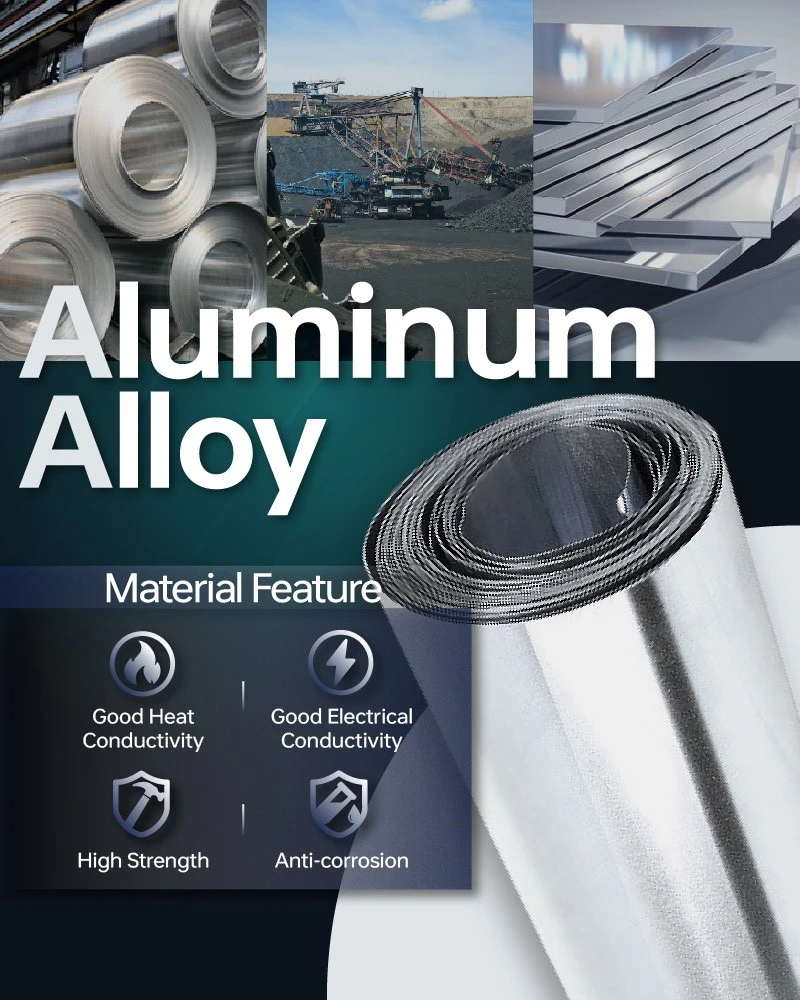
The reliability of the Aluminum shell for single cell lithium ion battery stems from a combination of materials, rather than a single metal grade.
Casing Aluminum Alloy
Selected primarily for its deep-draw formability and weldability, ensuring controllable wall-thickness distribution and predictable spring-back-laying the foundation for consistent dimensional accuracy.
Conductive and Interconnection Materials
Components such as terminal posts are chosen for their stable contact performance and weldability, with a distinct isolation structure integrated between them and the casing.
Insulation and Sealing Materials
Selected for their resistance to electrolytes, tolerance to thermal cycling, and long-term insulating stability; these work in tandem with the structural design to provide dual-layer protection.
Surface Treatment
Tailored to the client's specific operating conditions, these treatments provide necessary insulation or protection while ensuring consistent appearance and compatibility with downstream assembly processes.
Frequently Asked Questions for lithium power cell Aluminum shell
Q1: What information needs to be confirmed early on during the design phase of a rectangular aluminum casing?
-
A: Key information includes the approximate dimensions of the battery cell and requirements for expansion space; the functional features of the cover plate (such as terminals, safety valves, and electrolyte filling ports); the methods for module fixation and cooling interfaces; and the intended operating environment. These factors directly influence decisions regarding wall thickness, interface geometry, and the choice of manufacturing process.
Q2: How can one evaluate whether an aluminum casing is suitable for laser-welded sealing?
-
A: The evaluation focuses on the material composition and surface condition's response to laser energy, the geometric design of the mating surfaces between the cover plate and the casing, and the existence of a viable process window. Assessing manufacturability during the design phase is far more effective than attempting to adjust process parameters after the fact.
Q3: What are the primary sources of dimensional variation in mass production?
-
A: Variations typically stem from differences between material batches, mold wear, drift in forming parameters, and the measurement methods themselves. Through strict material control, regular mold maintenance, and robust process monitoring, these variations can be kept within limits acceptable for assembly.
Q4: Do you accept existing customer drawings for process review?
-
A: Yes, we do. We provide assessments covering forming feasibility, welding compatibility, tolerance stack-up, and inspection viability, and we offer recommendations for structural or process adjustments when necessary.
Q5: What risks are typically prioritized during the transition from the sampling phase to mass production?
-
A: Key areas of focus include the stability of the mold condition, the repeatability of the welding process window, the process capability for critical dimensions, and the impact of surface treatment and cleanliness on subsequent packaging steps. Identifying these factors early helps to shorten the production ramp-up period.
contact us
Leveraging our core strengths-design-for-manufacturing (DFM) assessments, process window control, and direct engineering collaboration-we help clients minimize uncertainty when transitioning prismatic aluminum-cased battery solutions from the conceptual stage to mass production. Should you require technical discussions regarding specific cell specifications or module interfaces, please submit your requirements via our inquiry page.
Hot Tags: Aluminum Shell for Lithium Ion Prismatic Cell, Prismatic Lithium Battery Aluminum Case, Aluminum Prismatic Battery Housing