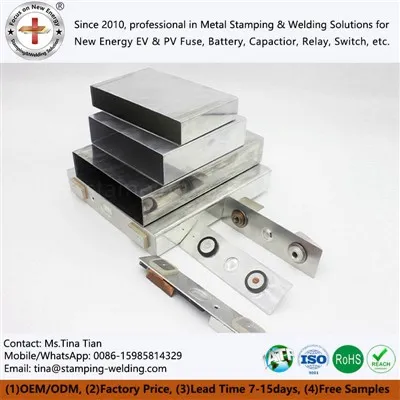


Safety Valve For Lithium Prismatic Battery
A safety valve for lithium-based batteries serves as a critical safeguard within these energy storage systems, designed to mitigate potential risks and ensure safe operation. As lithium-based batteries, including lithium-ion and lithium-polymer variants, become integral components in various applications, the safety valve plays a pivotal role in preventing the buildup of excessive pressure within the battery enclosure. In the event of overcharging, overheating, or abnormal conditions that could lead to gas generation, the safety valve releases accumulated gas, maintaining optimal internal pressure and preventing potential rupture or explosion. This essential safety feature underscores our commitment to delivering batteries that prioritize user and environmental safety, enabling the seamless integration of lithium-based batteries into applications ranging from portable electronics to electric vehicles and renewable energy systems.
- Fast Delievery
- Quality Assurance
- 24/7 Customer Service
Product Introduction
PRODUCT INTRODUCTION
A safety valve for lithium-based batteries serves as a critical safeguard within these energy storage systems, designed to mitigate potential risks and ensure safe operation. As lithium-based batteries, including lithium-ion and lithium-polymer variants, become integral components in various applications, the safety valve plays a pivotal role in preventing the buildup of excessive pressure within the battery enclosure. In the event of overcharging, overheating, or abnormal conditions that could lead to gas generation, the safety valve releases accumulated gas, maintaining optimal internal pressure and preventing potential rupture or explosion. This essential safety feature underscores our commitment to delivering batteries that prioritize user and environmental safety, enabling the seamless integration of lithium-based batteries into applications ranging from portable electronics to electric vehicles and renewable energy systems.

PROCESSING TECHNOLOGY
--
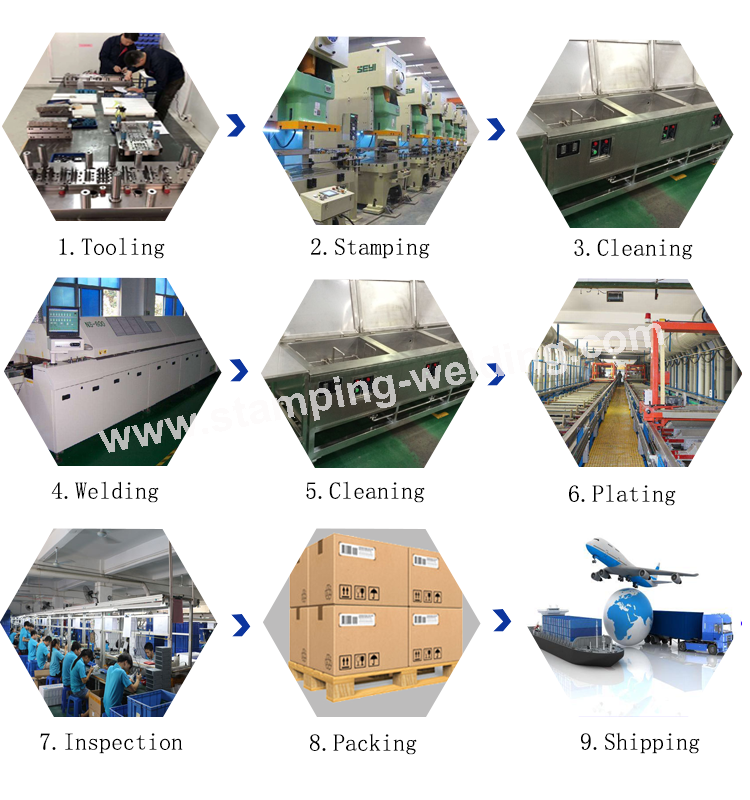
- Stamping: The initial step involves stamping, where specialized machinery is used to shape and form the essential components of the safety valve. High-quality materials are precisely cut and shaped to create the valve body, diaphragm, and other necessary parts. Stamping ensures consistent dimensions and accurate features, which are crucial for the valve's reliable functionality.
- Welding: Once the components are stamped, welding techniques are employed to assemble and secure the safety valve's structure. Different welding methods, such as laser welding or resistance welding, may be used based on the specific design and material requirements. Welding ensures airtight seals and robust connections, critical for maintaining the valve's integrity under various operating conditions.
- Testing and Quality Assurance: After the machining process is complete, the safety valve undergoes rigorous testing to ensure its proper functioning. This includes tests to verify its responsiveness to pressure changes, gas release efficiency, and overall reliability. The safety valve's ability to open and close accurately within specified pressure ranges is crucial for its performance.
- Integration and Application: Once successfully machined and tested, the safety valve is integrated into the lithium-based battery's design. It is strategically positioned within the battery enclosure to release excess pressure and prevent potential hazards. The safety valve's contribution to maintaining a safe internal environment is essential for the battery's operational longevity and user confidence.
PRODUCT FUNCTIONS
- Pressure Regulation: The primary function of the safety valve is to regulate internal pressure within the battery enclosure. In situations where abnormal conditions, such as overcharging or overheating, lead to the generation of excess gas, the safety valve activates to release this gas and maintain an optimal pressure level. This prevents pressure buildup that could otherwise result in battery swelling, leakage, or even rupture.
- Gas Release: In response to the accumulation of gas, which might occur due to chemical reactions within the battery, the safety valve facilitates controlled gas release. This prevents the pressure from exceeding safe limits, reducing the potential for damage or hazardous outcomes such as explosions or fires.
- Thermal Management: Some safety valves are equipped with features that respond to elevated temperatures. When the battery temperature rises beyond safe levels, the safety valve may initiate gas release to mitigate thermal stress and prevent thermal runaway, a condition where the battery's temperature and energy release escalate uncontrollably.
- Protection Against Overcharging: During overcharging, excessive gas generation can lead to an increase in pressure. The safety valve intervenes by allowing the release of excess gas, preventing pressure-related issues, and ensuring that the battery remains within safe parameters.
- Prevention of Leakage: The safety valve contributes to preventing electrolyte leakage that could occur as a result of pressure build-up. By releasing gas when necessary, the safety valve helps maintain the battery's integrity and prevents electrolyte seepage that could potentially damage the battery and surrounding components.
- Enhanced Battery Longevity: By relieving pressure and preventing stress on internal components, the safety valve contributes to the extended lifespan of lithium-based batteries. This function ensures that the battery's internal environment remains stable, minimizing wear and potential degradation.
- User and Environmental Safety: The safety valve's functions are designed with user and environmental safety in mind. By preventing hazardous situations like explosions or chemical leaks, the safety valve protects individuals, property, and the surrounding environment.

PRODUCT APPLICATIONS
--
The application of safety valves for lithium-based batteries spans a wide range of industries and scenarios where maintaining the integrity and safety of energy storage systems is paramount. These safety valves play a pivotal role in preventing pressure-related risks and ensuring the secure operation of lithium-based batteries.
- Electric Vehicles (EVs) and Hybrid Electric Vehicles (HEVs): In the automotive industry, safety valves are crucial components within lithium-based batteries used in electric and hybrid vehicles. They prevent the accumulation of gas due to rapid charging or high temperature, ensuring the safety of the battery pack and the vehicle occupants.
- Renewable Energy Storage: Safety valves are essential for lithium-based batteries in energy storage systems that store excess energy from renewable sources like solar and wind. They prevent pressure-related hazards while maintaining the stability of the energy storage system.
- Uninterruptible Power Supplies (UPS): Lithium-based batteries with safety valves find application in UPS systems, which provide backup power during electrical outages. Safety valves ensure the batteries' stability and safety under varying load conditions.
- Telecommunications Equipment: Safety valves are used in batteries for telecom base stations, ensuring reliable operation and minimizing the risk of pressure-related incidents in critical communication infrastructure.
- Medical Devices: Lithium-based batteries with safety valves are integral to medical devices such as defibrillators, infusion pumps, and patient monitors. They guarantee the safe operation of life-saving medical equipment.
- Aerospace and Defense: Safety valves are employed in aerospace applications, including satellites and spacecraft, where battery stability and safety are crucial for mission success.
- Portable Power Banks: Safety valves are included in portable power banks, ensuring the safety of backup power solutions for mobile devices.
- Marine Applications: Safety valves are utilized in marine applications, including electric boats and underwater vehicles, to prevent hazardous situations in waterborne environments.
- Remote Off-Grid Systems: Safety valves are used in off-grid locations for remote communication systems, monitoring equipment, and emergency power sources.
- Industrial Applications: Safety valves ensure the safety and reliability of lithium-based batteries used in industrial equipment and machinery.
- Energy Storage Systems: Safety valves are essential in large-scale energy storage systems that stabilize the power grid by storing and releasing energy as needed.

OUR CERTIFICATIONS
Our company is proud to receive the highest level of certification for our products, ensuring their quality, safety, and compliance with industry standards. We have undergone rigorous testing and evaluation to meet the strict requirements of recognized certification bodies. Some of the certifications our products have obtained include ISO9001 and IATF16949 for quality management systems. These certifications demonstrate our commitment to providing excellent products that meet the highest global standards, giving our customers confidence in the reliability, safety, and performance of our products.

FAQ
A1:Yes, we offer customization options to meet specific requirements. Our technical team will work closely with you to design and produce the right product for you.
Q2:What Are Your Certificates?
A2: We have RoHS, ISO9001, and IATF 16949 certificates.
Q3:Do You Test All Your Goods Before Delivery?
A3: Yes, we have 100% test before delivery.
Q4:How Can I Get A Quotation From Your Company?
A4:In order to quote you asap, we need the following information:
1/Detailed drawings(Format:CAD/PDF/DWG/STEP/IGES)
2/Material
3/Quantity
4/Surface treatment
5/Any special packaging or another requirement
Q5:How Long Can I Get A Quotation?
A5:After you send us the product drawing(including material), we can give you the quotation within 4 hours.
Q6: Is Customized Material Available?
A6:Yes, please just offer your detailed requirements or samples.
OUR CUSTOMERS
--
We have cooperated with China's top 10 Fuse manufacturers, such as CHINA BUSSMAN, Sinofuse, and Chnbeletc. If you have any intention to cooperate, please feel free to contact us at any time, we will feel very happy!

CONTACT US
--
For more information about our products, please contact our team!

Hot Tags: safety valve for lithium prismatic battery, China, manufacturers, suppliers, factory