Copper End Cap: An Essential Component in Electrical Safety
May 28, 2025
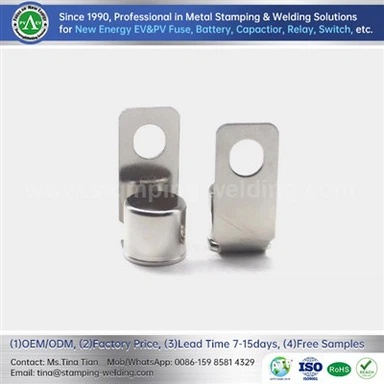
In the field of electrical engineering, safety and reliability are paramount. One critical component that plays a vital role in ensuring these aspects is the Copper End Cap, commonly used as part of a fuse system. Known for its durability and conductivity, the Copper Cap-also referred to as a fuse end cap or copper terminal cap-is an essential element in the design and function of fuses.

What is a Copper End Cap?
A Copper Cap is a metallic component typically made from high-purity copper or copper alloys. It serves as a protective and conductive housing at the end of a fuse, allowing for a secure electrical connection while also contributing to the fuse's ability to interrupt excessive current flow safely.
These caps are widely used in low-voltage and medium-voltage fuses, especially in industrial, commercial, and residential power distribution systems. Their primary purpose is to enclose part of the fuse mechanism and provide a physical interface for connecting the fuse to the circuit.
Key Features of Fuse Outer Cap
High Electrical Conductivity
Copper is known for its excellent conductive properties, making it ideal for maintaining low resistance in electrical circuits.
01
Thermal Stability
Copper Cap can withstand high temperatures generated during fault conditions, helping maintain structural integrity during a fault interruption.
02
Corrosion Resistance
Often coated with materials like tin or nickel, copper end caps resist oxidation and environmental degradation, extending their service life.
03
Mechanical Strength
Designed to endure mechanical stress during installation and operation, they ensure a stable fit within fuse holders.
04
Compatibility with Fuse Elements
The internal structure of the end cap is often engineered to securely hold the fusible element (such as silver or zinc strips), enabling predictable performance under overload or short-circuit conditions.
05
Function in Fuse Operation
The copper end cap functions both as a current conductor and a mechanical support in a fuse assembly. When integrated into a fuse, it connects directly with the fuse holder or switchgear, completing the circuit. During normal operation, current flows through the end cap into the fuse element without interruption.
However, when a fault occurs, such as an overcurrent or short circuit, the heat generated causes the fuse element to melt, breaking the circuit. The Copper Cap Fitting helps contain and direct the energy released during this process, assisting in arc suppression and minimizing damage to surrounding components.
Applications
Copper Cap Fittings are employed across various industries, including: Power Distribution Systems, Industrial Control Panels, Residential Circuit Protection, Motor Protection Circuits, Transformer and Capacitor Protection.
They are particularly important in scenarios where reliable and safe disconnection of electrical circuits is non-negotiable.

Design Considerations
Material Purity
Higher purity copper ensures better conductivity and thermal response.
01
Dimensions and Tolerances
Precision manufacturing is crucial to ensure proper fit and contact pressure.
02
Surface Treatment
Protective coatings enhance corrosion resistance and improve longevity.
03
Compatibility
Must be compatible with different types of fuse bases and mounting systems.
04
Maintenance and Inspection
Regular inspection of the Copper Cap Fitting is advised as part of routine electrical maintenance. Signs of overheating, discoloration, or corrosion may indicate potential issues such as loose connections or degraded performance. Timely replacement can prevent further damage to the electrical system.
Conclusion
Though small in size, the Copper Cap Fitting plays a significant role in the overall safety and functionality of modern electrical systems. Its unique combination of conductivity, durability, and thermal resilience makes it an indispensable component in fuse technology. As electrical systems continue to evolve, the importance of reliable and efficient circuit protection remains unchanged-and the copper end cap stands as a testament to the enduring value of well-engineered electrical components.

contact us