Fuse Caps: Decoding The Mysteries Of Copper And Brass
Apr 28, 2025
Introduction to fuse caps
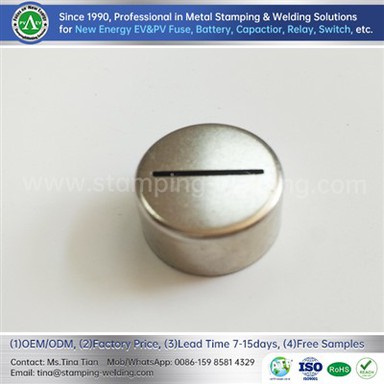
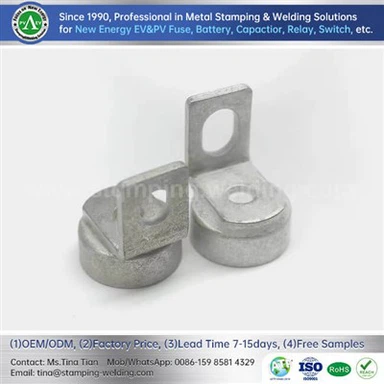
Fuse caps are essential components in electrical systems, playing a crucial role in ensuring the safe and reliable operation of fuses. Among them, copper caps and brass caps are two commonly used types, each with its unique characteristics and applications. Understanding these differences can help in making informed decisions when it comes to selecting the right fuse cap for various electrical setups.

Properties of Copper Caps
Copper caps, often made from high-purity copper, are renowned for their exceptional electrical conductivity. Copper has one of the highest electrical conductivity values among common metals, which means it offers extremely low resistance to the flow of electric current. This property allows for efficient power transmission through the fuse, minimizing energy losses and ensuring stable electrical connections.
In addition to its conductivity, copper also exhibits good thermal conductivity. When an electrical fault occurs and the fuse element heats up, the copper cap can quickly dissipate the heat, helping the fuse to blow faster and interrupt the circuit in a timely manner. This rapid heat transfer is crucial for protecting electrical equipment from damage caused by excessive current. Moreover, copper has decent mechanical strength, enabling it to withstand the mechanical stresses during the installation and operation of fuses. However, it is relatively more prone to oxidation in certain environments, which may affect its performance over time if not properly maintained.

Properties of Brass Caps
Brass caps, an alloy mainly composed of copper and zinc, have their own set of advantages. One of the significant benefits of brass is its enhanced corrosion resistance compared to pure copper. The addition of zinc in the alloy forms a protective layer on the surface, which helps to prevent oxidation and corrosion, making brass caps more suitable for use in environments with high humidity, exposure to moisture, or corrosive substances.
Brass also offers good mechanical properties, with a balance of strength and ductility. It can be easily formed into various shapes during the manufacturing process, providing flexibility in the design of fuse caps. While its electrical conductivity is lower than that of pure copper, it still meets the requirements for many standard electrical applications. The lower conductivity of brass can sometimes act as a natural current-limiting factor in certain circuits, adding an extra layer of protection in some cases.
Applications of Copper Caps
Copper caps are widely used in applications where high electrical conductivity is of utmost importance. In high-end electronic devices, such as servers, high-performance computers, and precision measuring instruments, the demand for low-resistance electrical connections is critical. Copper caps ensure that the fuses in these devices can operate with minimal power loss, maintaining the overall efficiency and stability of the electrical system.
They are also commonly found in power distribution systems, especially in circuits that carry high currents. For example, in large industrial plants, substations, and power generation facilities, copper-capped fuses are used to protect transformers, motors, and other high-power equipment. The excellent conductivity of copper allows these fuses to handle high-current loads without overheating or causing significant voltage drops.
Applications of Brass Caps
Brass caps, on the other hand, are preferred in environments where corrosion resistance is a key consideration. In marine applications, such as ships and offshore platforms, where the electrical systems are constantly exposed to saltwater and high humidity, brass-capped fuses offer reliable protection. The anti-corrosion properties of brass ensure that the fuses can maintain their integrity and functionality over long periods, reducing the frequency of replacements and maintenance.
They are also commonly used in outdoor electrical installations, like street lighting systems and outdoor electrical panels. In these settings, exposure to rain, snow, and varying weather conditions can cause corrosion in metal components. Brass caps help to safeguard the fuses from such environmental factors, ensuring the continuous operation of the electrical system. Additionally, in some household appliances that may be exposed to moisture, such as washing machines and dishwashers, brass-capped fuses provide an added layer of protection.

Maintenance and Considerations
Regardless of whether copper caps or brass caps are used, proper maintenance is essential for the optimal performance of fuses. For copper caps, regular inspection for signs of oxidation is necessary. If oxidation occurs, it can be gently removed using a suitable electrical contact cleaner to restore the conductivity. In contrast, while brass caps are more resistant to corrosion, they should still be checked periodically for any signs of damage or wear.
When selecting between copper caps and brass caps for a particular application, factors such as the electrical requirements of the circuit, the environmental conditions, and the cost-effectiveness need to be considered. High - conductivity applications may prioritize copper caps, while environments with harsh conditions may favor brass caps. Understanding these aspects will help ensure that the chosen fuse caps provide reliable protection and contribute to the overall safety and efficiency of the electrical system.
In conclusion, both copper caps and brass caps play vital roles in the world of fuses. Their unique properties make them suitable for different applications, and by understanding their characteristics and proper maintenance, we can make the best use of these components to safeguard our electrical systems.
contact us