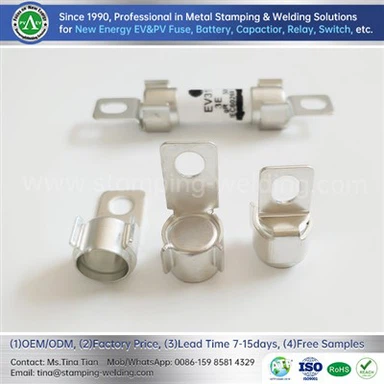
High Temperature Soldering
Aug 31, 2023
INTRODUCE
——
High-temperature soldering is an advanced soldering technique used in electronics manufacturing and various industrial applications to join components and circuitry that require elevated operating temperatures. Unlike conventional soldering processes, which typically use solder alloys with lower melting points, high-temperature soldering involves the use of specialized solder materials that can withstand extreme heat conditions. This technique is crucial for assembling components in devices like automotive electronics, aerospace systems, and power electronics, where the operational environment involves high temperatures or exposure to thermal stress. High-temperature soldering ensures secure and reliable connections that maintain their integrity even under the most demanding conditions, making it an indispensable method in modern manufacturing and electronic design.

ADVANTAGES
——
- Reliability in High-Temperature Environments: One of the primary advantages is its ability to create robust and durable solder joints that can withstand elevated temperatures. This is crucial in applications like automotive electronics and aerospace systems, where components may be exposed to extreme heat without compromising the integrity of the solder connections.
- Enhanced Thermal Performance: High-temperature solder materials often have superior thermal conductivity, which can help dissipate heat more efficiently. This is particularly important in power electronics and devices with high-power densities, as it prevents overheating and ensures optimal performance.
- Long-Term Stability: Solder joints formed through high-temperature soldering tend to exhibit excellent long-term stability. They are less prone to fatigue and degradation over time, ensuring the reliability and longevity of electronic components and devices.
- Compatibility with Specialty Materials: High-temperature soldering is compatible with various materials, including ceramics and certain high-temperature plastics. This versatility allows for the integration of diverse components in various applications.
- High Mechanical Strength: Solder joints created through high-temperature soldering often have greater mechanical strength, reducing joint failure risk due to mechanical stress or vibrations.
- Hermetic Sealing: In some applications, high-temperature soldering can provide hermetic sealing, creating airtight and moisture-resistant enclosures that protect sensitive electronic components from environmental factors.
- Reduced Risk of Tin Whiskers: High-temperature solder alloys are less susceptible to the formation of tin whiskers, which can lead to electrical shorts in electronics. This reduces the risk of malfunctions and failures in critical systems.
- Precision and Miniaturization: High-temperature soldering techniques can be applied with a high degree of precision, making them suitable for miniaturized and complex electronic assemblies joined in modern electronics.
- Compliance with Industry Standards: Many industries, such as automotive and aerospace, have stringent standards for component reliability and performance in extreme conditions. High-temperature soldering helps manufacturers meet these standards effectively.
APPLICATIONS
——
- Automotive Electronics: High-temperature soldering is extensively used in the manufacturing of automotive electronics, including engine control units (ECUs), airbag systems, and sensors. These components must endure extreme under-hood temperatures and thermal cycling, making high-temperature solder joints essential for reliability.
- Aerospace and Defense: In the aerospace and defense sectors, where components are exposed to extreme temperature fluctuations and high G-forces, high-temperature soldering ensures the integrity of solder connections in avionics, radar systems, missile guidance systems, and more.
- Power Electronics: High-temperature soldering is crucial for power electronic devices like inverters, converters, and high-frequency transformers. These components generate significant heat, and reliable solder joints are essential for efficient power transmission and thermal management.
- Industrial Electronics: High-temperature soldering is employed in industrial applications involving high-temperature environments, such as furnaces, industrial controllers, and sensor arrays used in manufacturing processes.
- Oil and Gas: In the oil and gas industry, where equipment operates in harsh conditions with elevated temperatures and corrosive environments, high-temperature soldering ensures the reliability of sensors, downhole tools, and communication equipment.
- Renewable Energy: Components used in renewable energy systems, such as solar inverters and wind turbine controllers, often require high-temperature soldering to withstand temperature extremes and provide long-lasting performance.
- Medical Devices: High-temperature soldering is utilized in the assembly of medical devices, including implantable devices, where the reliability of solder joints is critical to patient safety and device functionality.
- Telecommunications: Telecommunications infrastructure equipment, such as base stations and data center switches, relies on high-temperature soldering to maintain connectivity and reliability, especially in systems subject to heat dissipation challenges.
- Space Exploration: In space missions, where extreme temperature variations occur between shadow and sunlight, high-temperature soldering ensures the longevity of spacecraft electronics, satellite components, and scientific instruments.
- Research and Development: High-temperature soldering is also utilized in research and development laboratories for the creation of specialized sensors, experimental equipment, and prototypes that need to withstand high-temperature testing conditions.
DEVELOPMENT PROSPECTS
——
- Growing Demand for High-Performance Electronics: As industries continue to demand electronics that can operate under extreme conditions, such as high temperatures, high-temperature soldering will remain a crucial technology. This includes applications in aerospace, automotive, renewable energy, and more.
- Miniaturization and Compact Design: The trend toward smaller and more compact electronic devices requires soldering techniques that can provide robust connections in limited space while enduring high temperatures. High-temperature soldering is well-suited to meet this demand.
- Emerging Technologies: Emerging technologies like 5G, IoT, and autonomous vehicles demand electronic components and systems that can handle increased data processing and power requirements. High-temperature soldering plays a role in creating these reliable and efficient components.
- Energy Efficiency: The need for more energy-efficient electronic devices is driving innovations in power electronics. High-temperature soldering supports the development of energy-efficient systems by ensuring reliable connections that can handle higher temperatures without degradation.
- Renewable Energy: With the growing adoption of renewable energy sources like solar and wind, high-temperature soldering is vital for the production of reliable and efficient inverters and converters that can withstand the harsh conditions of power generation and conversion.
- Space Exploration and Satellite Technology: High-temperature soldering is essential for space missions and satellite technology. As space exploration continues to expand, the demand for advanced soldering techniques capable of withstanding the extreme conditions of outer space will increase.
- Medical Devices: The medical device industry is continuously advancing, with a focus on implantable devices and diagnostic equipment. High-temperature soldering will play a role in ensuring the longevity and reliability of these critical devices.
- Environmental Considerations: As environmental regulations become more stringent, the electronics industry will seek soldering techniques that are environmentally friendly. High-temperature soldering can align with these requirements by utilizing lead-free and RoHS-compliant solder materials.
- Research and Development: Research institutions and laboratories continually push the boundaries of technology, often requiring specialized equipment and sensors that can withstand extreme conditions. High-temperature soldering supports these endeavors.
- Global Connectivity: The need for reliable telecommunications infrastructure, including 5G networks and data centers, will continue to grow. High-temperature soldering is essential in the production of robust networking equipment that can handle the demands of global connectivity.