Installation And Use Instructions For EV Fuse Ceramic Body
Dec 11, 2024
I. Product Overview
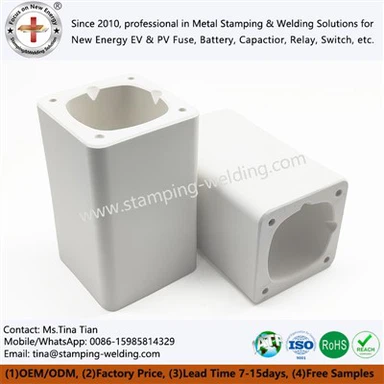
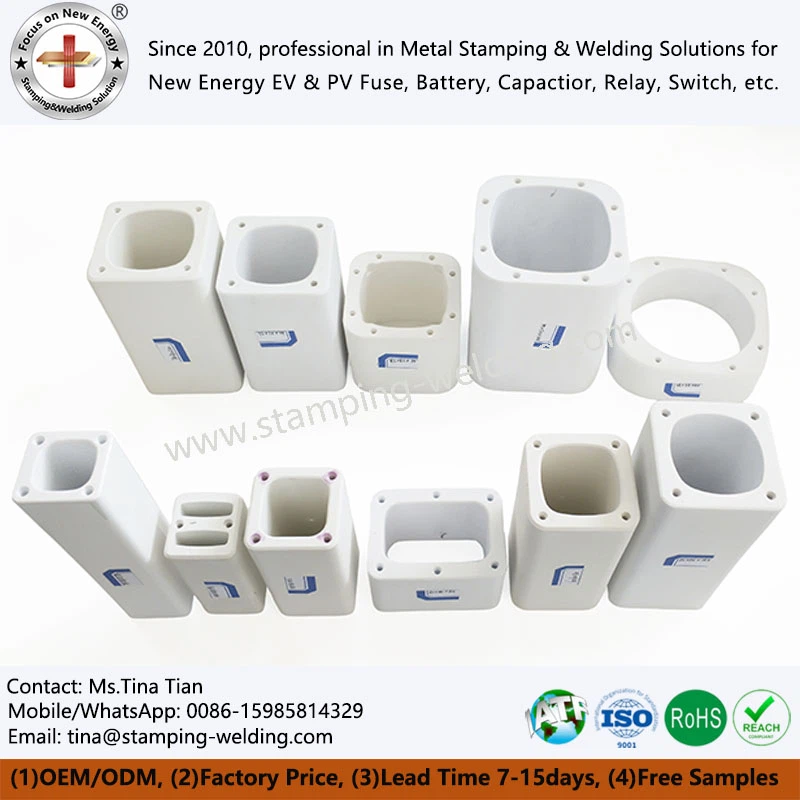
The Ceramic Body for EV Fuse is a circuit protection component designed specifically for new energy vehicles. It uses ceramic material as the shell and contains a fuse made of a special alloy. When the current in the circuit exceeds the specified value, the fuse will be heated to melt in a short time, thereby disconnecting the circuit and protecting the circuit and electrical appliances from damage.
II. Installation Steps
(1) Preparation: First, make sure the power supply is disconnected to avoid the risk of electric shock. Then check the model and specifications of the ceramic body of the fuse to ensure that it matches the actual load.
(2) Installation location selection: Choose a suitable installation location to ensure that the fuse can be installed vertically for easy inspection and replacement. Make sure the installation location is away from flammable and explosive items and maintain good ventilation.
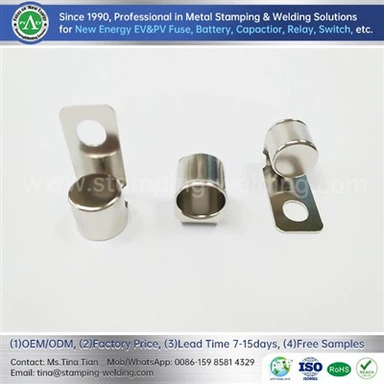
(3) Connect the power cord: Use the specified handle or tool to insert the fuse into the corresponding position in the circuit. When connecting the power cord, ensure that the connection is correct to avoid the power cord being connected in reverse, which will cause the fuse to fail. Use a single-strand plastic hard wire (or leather wire) to connect to the fuse terminal, ensuring that the wire core length is moderate and the connection is firm.
(4) Inspection and testing: After installation, check whether the fuse is firmly installed and the wiring is reliable. Before turning on the power, use a multimeter or other tool to check whether the circuit is open to ensure that there is no short circuit or open circuit.

III. Precautions for use
(1) Load current: Select the rated current of the fuse according to the actual load to ensure that the load current does not exceed the rated value of the fuse. If overload occurs frequently, it means that the load current exceeds the rated value of the fuse and a fuse with a larger current needs to be replaced.
(2) Regular inspection: During operation, you should always pay attention to the fuse indicator to detect the fuse blowing in time to prevent phase loss operation. If the fuse is found to be corroded, damaged or blown, replace it with a fuse of the same model and specification. It is not allowed to use other models of fuses instead.
(3) Replacement of Ceramic Casing for Fuse Link: Before replacing a new fuse, find out the cause of the fuse blowing. Do not replace the fuse for trial before determining the cause. When replacing a new fuse, check whether the fuse rating matches the protected equipment. When replacing a new fuse, check the internal burn of the fuse tube. If there is a serious burn, replace the fuse tube at the same time. When the porcelain fuse tube is damaged, it is not allowed to be replaced with a tube of other materials.
(4) Safe operation: Do not touch the PV Energy Storage Fuse Ceramic Body directly to avoid danger. Because the fuse generates high temperature during normal operation, direct contact may cause burns or electric shock. Use the specified handle to insert and remove the fuse, and do not use unsuitable tools to insert and remove.
IV. Maintenance and care
(1) Regular cleaning: Clean the fuse housing and terminal regularly, keep them dry and clean, and prevent dust and moisture from intrusion.
(2) Regular inspection: Regularly check whether the fuse wiring is loose or corroded. If there is any abnormality, it should be handled in time.
(3) Replacement cycle: Ceramic Casing for Fuse Link need to be replaced regularly to ensure their normal operation. The specific replacement cycle should be determined according to the usage and the manufacturer's recommendations.
V. Fault handling
(1) Cause of fuse: Normal fuse due to short circuit fault or overload operation. The fuse has been used for too long, and the fuse has changed due to oxidation or high temperature during operation, causing the fuse characteristics to break incorrectly. The fuse has mechanical damage during installation, causing its cross-sectional area to become smaller, causing incorrect breaking during operation.
(2) Fault handling: If the fuse is found to be blown, the cause should be found out first, and then a new fuse should be replaced after the fault is eliminated. It is strictly forbidden to replace the fuse or increase the rated current of the fuse without finding out the cause.

VI. Precautions
(1) Professional operation: This Ceramic for DC Automotive Fuses should be installed, debugged and maintained by professionals.
(2) Compliance with regulations: During installation and use, the relevant national electrical safety regulations and the manufacturer's instructions should be strictly followed.
(3) Storage environment: Unused fuses should be stored in a dry, ventilated environment without corrosive gases, avoiding moisture and high temperature.
VII. Contact information
If you have any questions or need further assistance, please feel free to contact our customer service department. We will wholeheartedly provide you with quality products and services.