Lithium-ion Battery Structural Components Industry Analysis: The Core Support Behind Power Battery Safety And Performance
Jun 15, 2026
With the rapid growth of the new energy vehicle, energy storage system, and electric two-wheeler markets, the lithium-ion battery industry chain has entered a stage of rapid development. In power battery systems, although structural components do not directly participate in the energy storage reaction, they are crucial for ensuring battery safety, stability, and lifespan. Whether it's new energy vehicle battery packs, energy storage power stations, or light electric vehicle battery systems, high-quality structural components play an irreplaceable role.
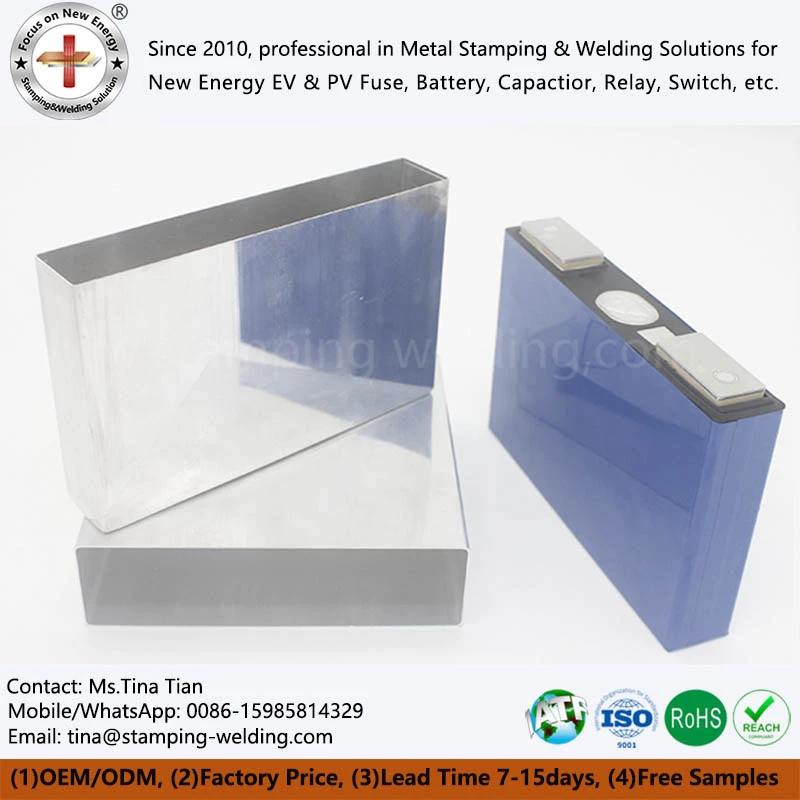
Lithium-ion battery structural components typically include cell top covers, aluminum shells, steel shells, connectors, terminals, flexible connections, and explosion-proof components. Among these, the aluminum shell and top cover are the most critical components. For prismatic batteries, structural components not only provide mechanical support but also directly affect the battery's sealing performance, heat dissipation capacity, and overall energy utilization efficiency.
Currently, mainstream lithium-ion batteries are mainly divided into three packaging forms: prismatic batteries, cylindrical batteries, and pouch batteries. Different packaging methods correspond to different structural design schemes. Prismatic and cylindrical batteries typically use metal hard-shell packaging, while pouch batteries use aluminum-plastic film packaging. Among these, aluminum cases for EV lithium battery packs, used in energy storage and new energy vehicles, have become one of the mainstream solutions in the industry.
From a product perspective, lithium battery structural components possess both the characteristics of metal material processing and precision manufacturing. Their production process involves multiple techniques such as stamping, deep drawing, welding, injection molding, laser processing, and automated assembly. Especially in the field of power batteries, the requirements for product dimensional accuracy, consistency, and reliability are extremely high, often requiring PPM-level quality control standards.
For prismatic batteries, the aluminum casing is one of the most important structural carriers. The lithium prismatic battery aluminum shells widely used in the current market are characterized by their light weight, high strength, corrosion resistance, and excellent heat dissipation performance. Compared to traditional steel casing solutions, aluminum casings can effectively reduce the overall weight of the battery system, thereby improving the vehicle's range and energy efficiency.
In the field of new energy vehicles, aluminum cases for automotive batteries are widely used in pure electric passenger vehicles, commercial vehicles, and hybrid models. As power batteries develop towards larger capacity and higher energy density, structural components not only need to meet mechanical strength requirements but also must possess enhanced thermal management capabilities and safety protection performance.
The battery top cover is one of the most technologically advanced components in a hard-shell battery structure. It primarily serves functions such as sealing, current conduction, pressure relief protection, and safety circuit breaking. The top cover typically integrates key components such as terminals, explosion-proof plates, flip-over plates, and insulation components. When the internal pressure of the battery abnormally increases, the explosion-proof device can release the pressure promptly, reducing the risk of thermal runaway.
In the field of energy storage systems, large battery packs typically adopt the Aluminum Case for the Powerwall Lithium Battery Pack structural solution. This type of structural component not only needs to possess good mechanical stability but also needs to withstand long-term high temperature, high humidity, and frequent charge-discharge conditions to ensure the long-term stable operation of the energy storage device.
From a manufacturing process perspective, casing production mainly employs continuous stretching technology. Through multiple deep stretching processes, battery casings with high dimensional accuracy and uniform wall thickness can be formed. Simultaneously, the application of laser welding technology significantly improves the sealing performance of structural components, providing more reliable safety assurance for power batteries.

With the growing demand for new energy vehicles, the market demand for aluminum cases for car LiFePO4 battery packs and LFP battery aluminum cases continues to expand. Lithium iron phosphate batteries, with their high safety, long cycle life, and cost advantages, have become an important technology route in the energy storage and commercial vehicle markets, and the supporting aluminum shell structural components are also ushering in new development opportunities.
In the field of electric vehicles, lightweighting has become an important trend. Aluminum cases for electric bike battery packs and aluminum cases for Li-ion electric bike battery packs, used in two-wheeled electric vehicles and light transportation equipment, are gradually replacing traditional steel shells. Aluminum shell structures not only reduce the overall weight of the vehicle but also improve corrosion resistance and heat dissipation efficiency.
For power battery cells, the quality of the shell material directly affects product performance. Currently, commonly used lithium iron cell aluminum shells, lithium cell battery aluminum shells, and cell lithium battery aluminum shells are all made of high-strength aluminum alloy materials, and surface treatment processes are used to improve corrosion resistance and insulation performance.
In recent years, with the development of battery systems towards higher voltages, the demand for large power battery structural components such as aluminum cases for EV electric buses and LiFePO4 battery packs, has grown rapidly. Buses, engineering vehicles, and heavy transportation, equipment have placed higher demands on the strength, safety, and thermal management capabilities of these structural components.
Simultaneously, energy storage and power batteries are continuously developing towards larger-size prismatic cells, driving products such as lithium prismatic cell aluminum shells, LFP prismatic cell aluminum shells, and prismatic LFP cell aluminum shells to become key development directions in the industry. Large-capacity prismatic cells can effectively improve system integration efficiency, reduce the number of connecting components, and thus reduce overall costs.
In consumer electronics, power tools, and special applications, some products still use pouch battery structures. Compared to hard-shell batteries, pouch batteries have advantages such as lighter weight and higher energy density, but they require higher standards for packaging materials and manufacturing processes. With the continuous advancement of domestic material technology, the localization rate of key materials for pouch batteries continues to increase, driving cost reduction and efficiency improvement across the entire industry chain.
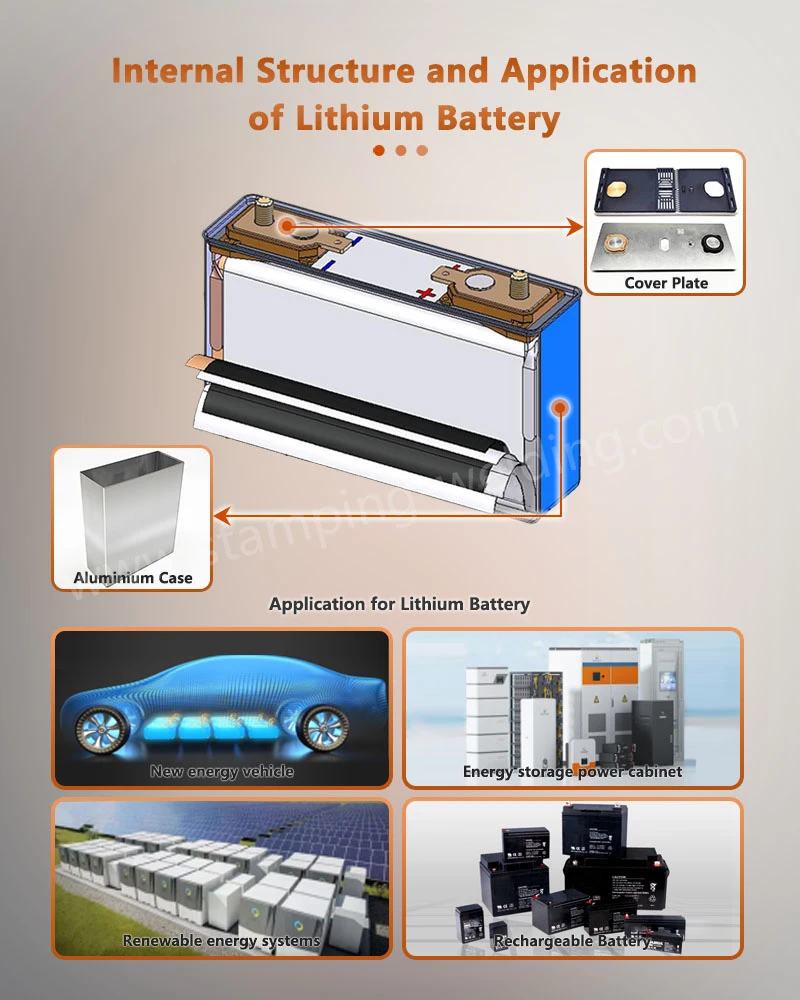
From an industry development perspective, future lithium battery structural components will evolve towards higher precision, higher strength, lighter weight, and intelligent manufacturing. The continued expansion of the new energy vehicle, energy storage system, electric bicycle, and backup power markets will further drive demand growth for products such as the Aluminum Case for Motor Replacement Lead Acid Battery Pack and Aluminum Case for 12V LiFePO4 Battery Pack Primatic Type Cell Aluminum Shell.
With the continuous upgrading of the global new energy industry, lithium battery structural components have gradually evolved from traditional supporting parts to crucial core components affecting battery safety, lifespan, and performance. In the future, through material innovation, automated manufacturing, and optimized structural design, high-performance aluminum shells and precision structural components will play an even more important role in the fields of power batteries and energy storage.
contact us