PE Heat Shrink Tube Insulated Busbar: A Comprehensive Introduction
May 27, 2025
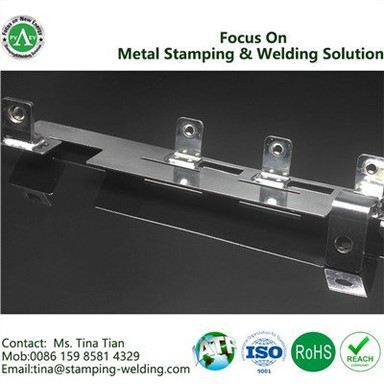
PE Heat Shrink Tube Insulated Busbar, as the name implies, is a type of busbar insulation solution that combines a polyolefin (PE) heat shrink tube with a busbar. The busbar, typically made of copper or aluminum, is a crucial component in electrical distribution systems, used to carry large amounts of electrical current. The PE heat shrink tube, when applied and shrunk around the busbar, provides an additional layer of insulation.
The special polyolefin material used in the heat shrink tube has unique properties. It can be expanded during the manufacturing process and then, when exposed to heat, it shrinks back to its original pre-expanded size, tightly conforming to the shape of the busbar.

Structure and Componentsed
The Busbar
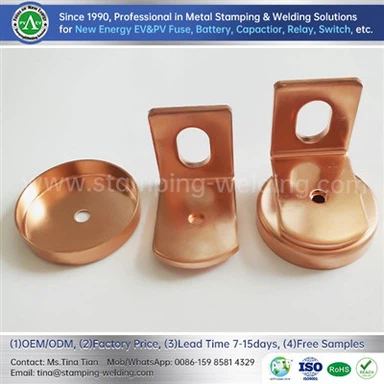
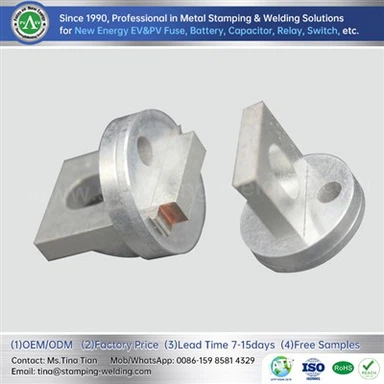
The busbar itself is usually a solid or hollow rectangular or circular conductor. Copper busbars are highly conductive, with excellent electrical and thermal conductivity properties. Aluminum busbars, on the other hand, are lighter in weight and more cost - effective, although they have slightly lower conductivity compared to copper.
The PE Heat Shrink Tube
The PE heat shrink tube is the key insulating element. It is made through a special processing method. The tube has a certain wall thickness, which is designed to withstand the electrical stress and environmental factors. The inner diameter of the tube before shrinking is larger than the outer diameter of the busbar to be insulated, allowing for easy installation. Once heated, it shrinks uniformly around the busbar, forming a tight and seamless insulating sheath.
Performance Characteristics
High Insulation Performance
One of the most significant features of Heat Shrink Tube Polyolefin Busbar is its extremely high insulation performance. The polyolefin material has a high dielectric strength, which can effectively prevent electrical leakage and short - circuits. For example, in low - voltage switchgear, the insulation provided by the heat shrink tube can prevent accidental contact with live parts, reducing the risk of electrical accidents.
Mechanical Protection
In addition to electrical insulation, the heat shrink tube also offers mechanical protection to the busbar. It can protect the busbar from physical damage such as scratches, impacts, and abrasions. This is especially important in industrial environments where the busbar may be exposed to harsh conditions.
Chemical Resistance
The PE material used in the heat shrink tube is resistant to many chemical substances. It can withstand exposure to acids, alkalis, and salts, preventing the corrosion of the busbar. This chemical resistance property extends the service life of the busbar and ensures its reliable operation in various chemical environments.
Thermal Stability
PE Heat Shrink Tube Insulated Busbar has good thermal stability. The heat shrink tube can maintain its integrity and performance within a wide temperature range. It can operate continuously at temperatures ranging from - 55°C to 105°C in many cases. This makes it suitable for use in different climates and applications where temperature variations occur.
Flame Retardancy
Many PE heat shrink tubes are designed to be flame - retardant. In case of a fire, the flame - retardant properties of the heat shrink tube can prevent the spread of fire along the busbar, reducing the risk of a large - scale electrical fire. This is an important safety feature in electrical installations.
Application Scenarios
Substation Busbars
In substations, where high-voltage electrical distribution occurs, Heat Shrink Tube Polyolefin Busbar is widely used. The insulation provided by the heat shrink tube helps to ensure the safe operation of the busbars, preventing electrical discharges and short-circuits between different phases or between the busbar and the ground.
High/Low Voltage Switchgear
In low-voltage switchgear, the use of PE heat-shrink tube-insulated busbars can effectively prevent personal injury accidents caused by exposed live parts. In high - voltage switchgear, the high-voltage formance insulation of the heat shrink tube helps to maintain the electrical integrity of the system and reduce the risk of electrical failures.
Miniaturized Electrical Equipment
With the trend towards miniaturization of electrical equipment, the use of Heat Shrink Tube Polyolefin Busbar is becoming more common. The insulation provided by the heat shrink tube allows for closer spacing between conductors, reducing the overall size of the electrical equipment while maintaining its safety and performance.
Outdoor Electrical Installations
For outdoor electrical installations, the chemical resistance and UV resistance of the PE heat shrink tube make it suitable for use. It can protect the busbar from the corrosive effects of rain, snow, and other environmental factors, as well as from the degradation caused by sunlight exposure.

Installation Process
Selection of the Right Heat Shrink Tube
The first step in the installation process is to select the appropriate PE heat shrink tube. The inner diameter of the tube should be selected based on the outer diameter of the busbar. A proper fit is essential to ensure good shrinkage and insulation performance.
01
Cutting the Heat Shrink Tube
Cut the heat shrink tube to the required length. The length should be sufficient to cover the entire section of the busbar that needs to be insulated, with some allowance for overlap at the ends. Use a sharp cutting tool to ensure a clean and smooth cut.
02
Cleaning the Busbar
Before installing the heat shrink tube, clean the surface of the busbar to remove any dirt, oil, or other contaminants. A clean surface ensures good adhesion of the heat shrink tube and optimal insulation performance.
03
Installing the Heat Shrink Tube
Slide the heat shrink tube over the busbar until it is in the correct position. Make sure that the tube is evenly distributed along the length of the busbar.
04
Shrinking the Heat Shrink Tube
Use a heat source, such as a hot air gun or a heat tunnel, to heat the heat shrink tube. Start from one end of the tube and gradually move the heat source along the length of the tube. The heat causes the tube to shrink and tightly conform to the shape of the busbar. Ensure that the heating is uniform to achieve a consistent shrinkage.
05
contact us