The Role Of Brass Stamping In Electrical Components
May 27, 2025
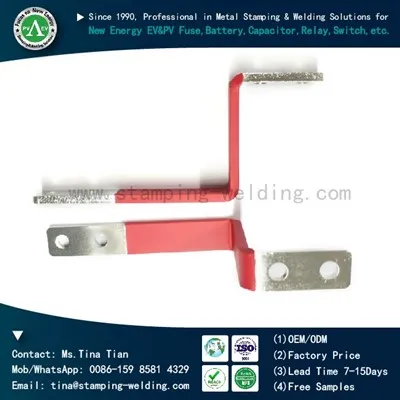
Brass stamping is a manufacturing process that involves shaping or cutting brass sheets into specific forms or designs using dies and stamping presses. This technique is widely used in the production of various electrical components, such as relays, switches, and contactors, due to the unique properties of brass and the precision offered by the stamping process.

Properties of Brass
Brass, an alloy primarily composed of copper and zinc, possesses several desirable properties that make it ideal for electrical components. These properties include:
Electrical Conductivity
Brass has excellent electrical conductivity, which is crucial for components that need to conduct electricity efficiently without excessive resistance. This ensures that electrical signals and currents can be transmitted effectively, minimizing energy loss.
Corrosion Resistance
Brass can form a relatively dense oxide film on its surface, which protects it from corrosion caused by moisture and chemical gases. This is particularly important for electrical components that may be exposed to harsh environmental conditions, as it helps extend their service life and reduces the risk of poor contact and increased resistance.
Durability
Brass is strong and hard, allowing it to withstand mechanical stress and wear. This is essential for components that are subject to repeated use or high loads, such as those found in switches and contactors.
Machinability
Brass is relatively easy to machine and form, which allows for the creation of intricate designs and precise dimensions. This is particularly important in the stamping process, where complex shapes and tight tolerances are often required.
Applications in Electrical Components
Relays
Relays are electrically operated switches that are used to control electrical circuits. Brass stamping is used to manufacture the contacts and other parts of relays. The high conductivity of brass ensures efficient signal transmission and switching, while its durability and corrosion resistance help maintain the relay's performance over time.
Switches
In switches, brass is used for the conductive paths and moving parts. The durability of brass helps in maintaining the switch's performance over a long period, even with frequent use. Additionally, brass's ability to handle high currents without overheating or wearing out quickly makes it an ideal choice for switch contacts.
Contactors
Contactors are used to control large electrical loads and are often subjected to high voltages and currents. Brass stamping is used to create the contacts and other critical parts of contactors. The corrosion resistance and durability of brass are particularly important in these applications to ensure safety and reliability.
Manufacturing Process
The process of Brass Sheet Metal Stamping begins with the selection of high-quality brass coils as the raw material. These coils are then fed automatically into the stamping machine, which unwinds the coil and feeds it into the press in a controlled manner. The brass sheet is then stamped using precision dies designed specifically for creating the desired components. After the initial stamping, the parts may undergo further stamping processes to refine their shape and features.

Conclusion
Brass stamping plays a crucial role in the production of electrical components, particularly relays, switches, and contactors. The combination of brass's electrical conductivity, corrosion resistance, and durability makes it an ideal material for these applications. As technology continues to advance, the demand for precision-engineered components is likely to grow, ensuring that Brass Sheet Metal Stamping remains a critical manufacturing process in the electrical industry.

contact us