PE Heat Shrink Tube Insulated Busbar: A Comprehensive Introduction
May 14, 2025
Definition and Structure
A PE Heat Shrink Tube Insulated Busbar is a key electrical component that combines the functionality of a busbar with the protective properties of a PE (Polyethylene) heat shrink tube. At its core, the busbar, usually made of highly conductive materials like copper or aluminum, serves as the pathway for electric current. This conductive core is then enveloped by a PE heat shrink tube. The PE heat shrink tube, initially in a larger diameter form, is heated during the application process. As it is heated, the tube shrinks tightly around the busbar, creating a seamless, insulating layer that safeguards against electrical leakage, physical damage, and environmental factors. This unique structure makes Heat Shrink Tube Polyolefin Busbar highly reliable for various electrical systems.

Manufacturing and Assembly Process
Preparation of the Busbar
Material Selection:
The choice of material for the busbar core is crucial. Copper is often preferred due to its excellent electrical conductivity, while aluminum may be selected in applications where weight and cost are significant factors. High-purity copper, meeting specific industry-standard purity levels, ensures minimal electrical resistance and efficient current transmission.
Shaping and Sizing:
Once the material is chosen, the busbar is shaped into the required form, such as flat bars, rectangular bars, or custom geometries, depending on the design requirements of the electrical system. Precise sizing is carried out to ensure proper fitment within the electrical enclosures and compatibility with other components.
Heat Shrink Tube Selection and Preparation
Tube Material and Properties:
PE heat shrink tubes are selected based on their specific properties. They are typically formulated to have excellent electrical insulation characteristics, mechanical strength, and chemical resistance. The tubes come in various wall thicknesses and shrink ratios, which are carefully matched to the size and requirements of the busbar.
Cutting to Length:
The PE heat shrink tube is cut to the appropriate length, ensuring that it fully covers the section of the busbar that requires insulation. The length is determined based on the busbar's installation location and the need to provide adequate insulation coverage, including any connections or joints.
Assembly and Shrinkage Process
Tube Placement:
The cut PE heat shrink tube is slid over the busbar, ensuring that it is centered and positioned correctly. Care is taken to avoid any wrinkles or folds in the tube during placement.
Heating for Shrinkage:
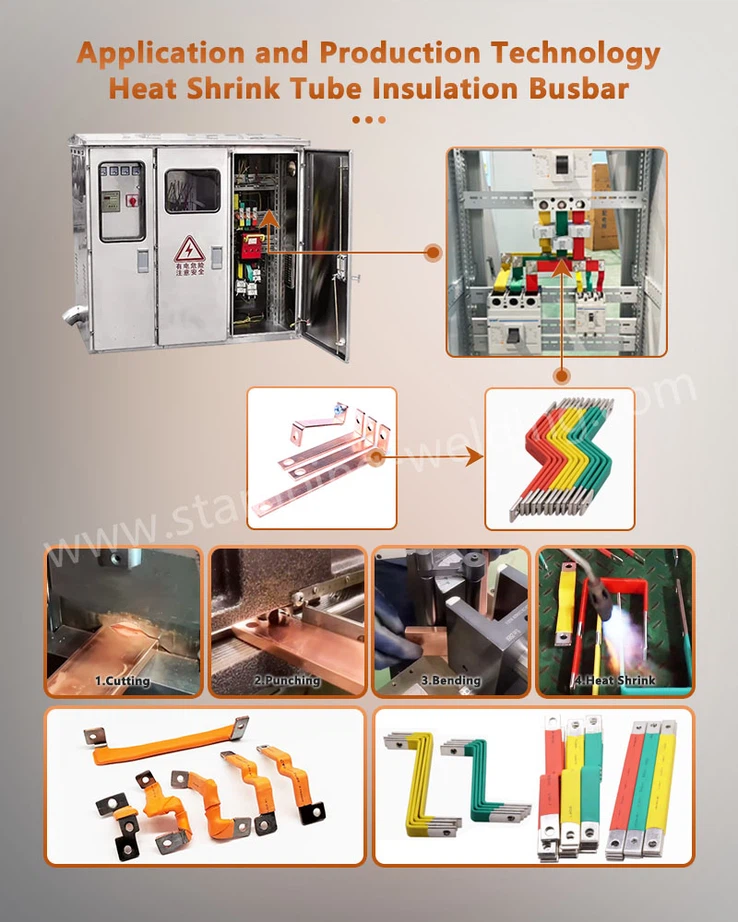
A heat source, such as a heat gun or an oven, is used to apply heat evenly to the PE heat shrink tube. As the tube is heated to its activation temperature, which typically ranges within a specific temperature interval, it begins to shrink radially around the busbar. The heat application process is carefully controlled to ensure uniform shrinkage and a tight, secure fit. Once the tube has fully shrunk and cooled down, it forms a permanent, insulating barrier around the busbar.
Performance Advantages
Electrical Insulation
High-Voltage Resistance:
Busbar Insulating Tubing can withstand high voltages, making it suitable for a wide range of electrical applications. They are designed to provide reliable insulation, preventing electrical breakdown and short-circuits. The electrical insulation resistance of the PE heat shrink tube meets or exceeds industry-standard values, ensuring the safety and stability of the electrical system.
Moisture and Chemical Resistance:
The PE material used in the heat shrink tube offers excellent resistance to moisture and many common chemicals. This property protects the busbar from electrical failures caused by moisture ingress or chemical corrosion, making the insulated busbars ideal for use in harsh environments, such as industrial plants with chemical exposure or outdoor installations where they may be exposed to rain and humidity.
Mechanical Protection
Impact and Abrasion Resistance:
The PE heat shrink tube provides a durable mechanical barrier that protects the busbar from impacts, scratches, and abrasions. In environments where the busbar may be subject to physical stress, such as during installation, maintenance, or in machinery with moving parts, the heat shrink tube helps to prevent damage to the conductive core, thereby extending the lifespan of the busbar.
Flexibility:
Despite its mechanical strength, the PE heat shrink tube also offers a certain degree of flexibility. This flexibility allows the insulated busbar to be bent and shaped as required during installation, without causing cracks or damage to the insulation layer. It enables the busbar to fit into tight spaces and complex electrical layouts.
Thermal Performance
Temperature Tolerance: PE Heat Shrink Tube Insulated Busbars can operate within a wide temperature range. They can withstand both high-temperature conditions, up to a specific maximum operating temperature, and low-temperature environments, down to a certain minimum temperature. This thermal stability ensures that the insulation properties and mechanical integrity of the busbar remain intact under varying temperature conditions, making them suitable for use in different climates and industrial processes.
Applications
Power Distribution Systems
Indoor Switchgear and Panels:
In indoor electrical installations, such as switchgear and control panels, Heat Shrink Tube Polyolefin Busbar is used to connect various electrical components. Their reliable electrical insulation and compact design make them an ideal choice for organizing and protecting the electrical connections within these enclosed spaces, ensuring safe and efficient power distribution.
Outdoor Substations:
For outdoor substations, where the busbars are exposed to the elements, the moisture and chemical resistance of PE heat shrink tube insulation is highly beneficial. These insulated busbars can withstand rain, snow, UV radiation, and temperature fluctuations, maintaining their performance and ensuring the continuous operation of the substation.
Industrial Equipment
Manufacturing Plants:
In manufacturing facilities, Heat Shrink Tube Polyolefin Busbar are used to supply power to large-scale industrial equipment, such as motors, pumps, and conveyor systems. Their mechanical protection and high - current - carrying capacity enable them to handle the demanding electrical requirements of these machines, even in the presence of vibrations and harsh operating conditions.
Renewable Energy Systems:
In renewable energy applications, such as solar power plants and wind turbines, these insulated busbars play a crucial role. In solar installations, they are used to connect solar panels and transfer the generated electrical power. In wind turbines, they are employed to transmit power from the generators to the power conversion and distribution systems. Their ability to withstand outdoor environmental factors and provide reliable insulation makes them essential for the efficient operation of renewable energy systems.
Maintenance and Inspection
Visual Inspection
Check for Physical Damage:
Regularly, visually inspect the PE Heat Shrink Tube Insulated Busbars for any signs of physical damage to the heat shrink tube, such as cracks, cuts, or swelling. Any damage to the insulation layer may compromise its electrical and mechanical protection, and immediate attention should be given to repair or replace the affected section.
Verify Proper Shrinkage and Fit:
Ensure that the heat shrink tube has shrunk evenly and is tightly adhered to the busbar. Loose or uneven shrinkage may indicate a problem during the installation process, which could lead to insulation failure over time.
Electrical Testing
Insulation Resistance Testing:
Periodically perform insulation resistance tests on the insulated busbars using appropriate electrical testing equipment. A significant decrease in insulation resistance may indicate moisture ingress, degradation of the PE material, or other electrical issues, and further investigation is required.
High-Voltage Testing:
Conduct high-voltage tests at regular intervals to verify the ability of the insulated busbars to withstand the rated voltage. This helps to detect any latent insulation weaknesses and ensures the safety and reliability of the electrical system.
Cleaning and Maintenance
Remove Contaminants:
Keep the insulated busbars clean by removing any accumulated dirt, dust, or chemical residues. A soft brush or a non-abrasive cleaning cloth can be used for cleaning. In environments with high levels of contamination, more frequent cleaning may be necessary to maintain the performance of the insulation.
Temperature Monitoring:
In applications where the busbars are subject to high-temperature operation, monitor the temperature regularly. Excessive heating may indicate a problem with the electrical load, connections, or the insulation itself, and appropriate measures should be taken to address the issue.
conclusion
PE Heat Shrink Tube Insulated Busbars offer a combination of excellent electrical insulation, mechanical protection, and thermal performance, making them a valuable component in modern electrical systems. Their versatility in various applications, from power distribution to industrial equipment and renewable energy, is a testament to their reliability and effectiveness. By understanding their manufacturing process, performance advantages, applications, and maintenance requirements, electrical professionals can make informed decisions when selecting and using these insulated busbars, ensuring the safe and efficient operation of electrical systems.

contact us