Unveiling The Wonders Of PVC Dipped Insulated Bus Bar
May 14, 2025
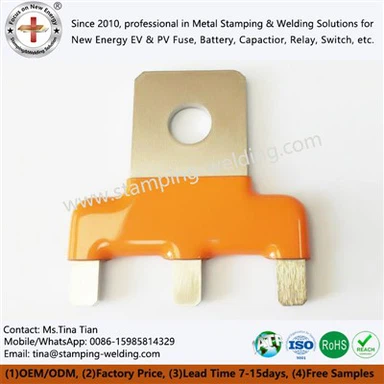
In the realm of electrical engineering, insulated busbars play a pivotal role in ensuring safe and efficient power distribution. Among them, the PVC Dipped Insulated Bus Bar, also known as PVC Coated Bus Bars, stands out for its unique combination of properties and wide-ranging applications. This article aims to provide an in-depth exploration of these crucial electrical components.

Fundamental Concepts
An insulated busbar is a conductive bar or strip, usually made of copper or aluminum, that is coated with an insulating material. The PVC Dipped Insulated Bus Bar specifically features a layer of Polyvinyl Chloride (PVC) applied through a dipping process. This PVC coating serves as a protective barrier, preventing electrical current leakage, reducing the risk of short-circuits, and safeguarding personnel from electrical shocks.
The core of a PVC Coated Bus Bar, typically crafted from high-conductivity materials, is responsible for carrying electrical current. Copper, renowned for its superior conductivity, and aluminum, favored for its lightweight and cost-effectiveness, are commonly used. The insulating PVC layer not only enhances electrical safety but also contributes to the mechanical and environmental durability of the busbar.
Manufacturing Process
Preparation of the Busbar Core
The journey of creating a PVC Coated Bus Bars begins with the selection and shaping of the busbar core. For the core material, high-purity copper (meeting specific purity standards) or aluminum is carefully chosen. These materials are then formed into various shapes, such as flat, rectangular, or custom-designed profiles, depending on the requirements of the intended application. This shaping process is crucial as it determines the physical dimensions and current-carrying capacity of the final insulated busbar.
Surface Pretreatment
Before the dipping process, the surface of the busbar core undergoes meticulous pretreatment. Any contaminants, including dirt, oil, and oxide layers, are thoroughly removed. This can be achieved through methods like degreasing with appropriate solvents, mechanical abrasion, or chemical etching. A clean and properly pre-treated surface is essential for ensuring strong adhesion between the core and the PVC coating.
PVC Dipping
The heart of the manufacturing process is the PVC dipping stage. The pre-treated busbar core is heated to an optimal temperature, which makes its surface receptive to the PVC material. It is then immersed in a bath of molten PVC resin. The duration of immersion and the depth of dipping are precisely controlled to achieve the desired thickness of the insulation layer, which typically falls within a certain range. After dipping, the busbar is slowly withdrawn, allowing excess PVC resin to drip off. Subsequently, it is cured in an oven at a specific temperature, enabling the PVC layer to solidify and form a robust, long-lasting insulation.

Performance Advantages
Electrical Insulation
PVC Dipped Insulated Bus Bars offer excellent electrical insulation capabilities. They can withstand high voltages, ensuring reliable operation in a variety of electrical systems. The PVC coating provides a high level of insulation resistance, effectively preventing electrical leakage. Additionally, many PVC Coated Bus Bars are designed to meet strict flame-retardant standards, which is a crucial safety feature in case of fire incidents. This high-quality electrical insulation makes them suitable for use in power distribution systems where electrical safety is of utmost importance.
Mechanical Durability
In terms of mechanical properties, these insulated busbars are highly durable. The PVC coating protects the core from mechanical damage, such as abrasion, impacts, and vibrations. This is particularly beneficial in industrial environments where the busbars may be subject to rough handling or dynamic operating conditions. Some variants of PVC-coated bus Bars also offer flexibility, allowing them to be bent and shaped as needed without compromising their insulation integrity. This flexibility is a significant advantage in applications with limited space or complex geometries.
Environmental Resistance
PVC Coated Bus Bars exhibit remarkable environmental resistance. They can operate effectively within a wide temperature range, from extremely cold to high-temperature environments. The PVC insulation is also resistant to moisture, chemicals, and UV radiation, making these insulated busbars suitable for both indoor and outdoor applications. In industrial settings with exposure to corrosive substances or in coastal areas with high humidity and salt-laden air, the environmental resistance of PVC Dipped Insulated Bus Bars ensures their long-term reliability.
Applications
Power Distribution Systems
Insulated busbars, especially PVC Dipping Insulated Busbar, are extensively used in power distribution systems. In indoor switchgear, they connect various electrical components, facilitating the efficient transfer of electrical power. In outdoor substations, their environmental resistance allows them to function reliably in all weather conditions, ensuring the continuous supply of electricity to the grid.
Industrial Machinery
In the industrial sector, PVC-coated bus Bars play a vital role in powering heavy machinery. They are used to supply electricity to motors in conveyor systems, industrial robots, and large-scale manufacturing equipment. Their mechanical durability and high - current - carrying capacity make them well-suited for the demanding requirements of industrial applications.
Renewable Energy Systems
With the growing emphasis on renewable energy, insulated busbars have found a place in solar power plants and wind turbines. In solar installations, PVC Dipping Insulated Busbar are used to collect and distribute the DC power generated by solar panels. In wind turbines, they transfer electrical power from the generators to the power conversion and distribution systems. Their ability to withstand outdoor environmental conditions and adapt to varying electrical loads makes them an ideal choice for renewable energy applications.
Maintenance and Inspection
Visual Inspection
Regular visual inspection is essential for maintaining the performance of PVC Coated Bus Bars. Technicians should check for any signs of physical damage to the PVC insulation, such as cracks, cuts, or discoloration. Any loose connections or signs of overheating should also be identified and addressed promptly.
Electrical Testing
Periodic electrical testing, including insulation resistance testing and high-voltage testing, helps to ensure the continued safety and reliability of insulated busbars. These tests can detect any degradation in the insulation quality or potential electrical issues before they lead to system failures.
Cleaning
Keeping the busbars clean is crucial for their proper functioning. Dirt, dust, and debris can accumulate on the surface, potentially affecting the insulation performance. Regular cleaning with appropriate non-abrasive materials helps to maintain the integrity of the PVC coating and the overall performance of the PVC Coated Bus Bars.
Conclusion
PVC Coated Bus Bars, or PVC Coated Bus Bars, are indispensable components in modern electrical systems. Their superior electrical insulation, mechanical durability, and environmental resistance make them suitable for a diverse range of applications. By understanding their manufacturing process, performance advantages, applications, and maintenance requirements, engineers and electrical professionals can make informed decisions when incorporating these insulated busbars into their projects, ensuring the safe and efficient operation of electrical systems.

contact us