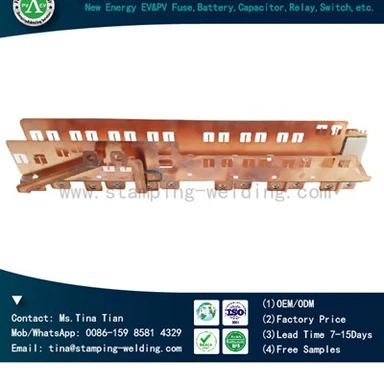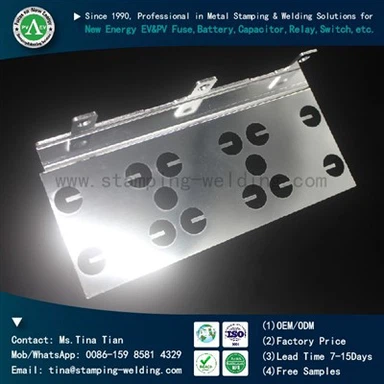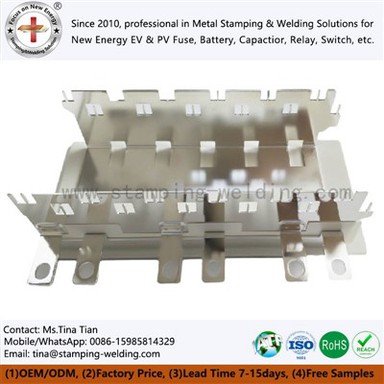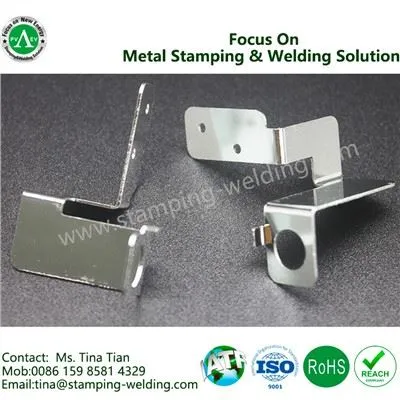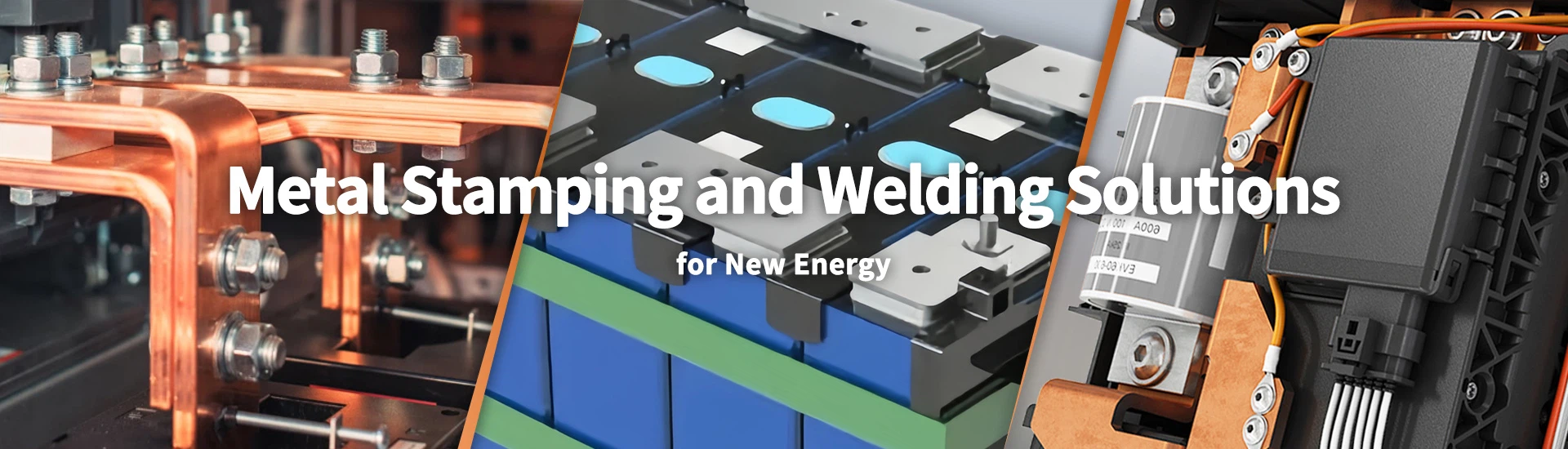


Busbar Electric Vehicle
The core service of Busbar Electric Vehicle is to meet the engineering integration requirements of high voltage distribution systems of new energy vehicles, accurately adapt to the installation and operation scenarios of thin film capacitors in different high voltage components, and solve the core problems of high losses, complicated layout, and insufficient reliability in traditional connection solutions from an engineering perspective.
- Fast Delievery
- Quality Assurance
- 24/7 Customer Service
Product Introduction

In the engineering upgrade demands of high voltage, integration, and long range of new energy vehicles, whether the energy storage filtering efficiency of Busbar Electric Vehicle can be fully released depends on the engineering adaptability and reliability of the connecting components. Automotive BusBar PET Insulation, as a key engineering component that connects film capacitors with core components such as motor controllers, battery packs, and PDUs, is not simply a conductive carrier, but a power distribution and optimization system designed based on engineering scenario requirements. Its core value lies in solving core engineering pain points such as power transmission loss, spatial layout conflicts, and insufficient environmental adaptability under high-voltage conditions through precise engineering design and process implementation, providing underlying support for the stable operation and energy efficiency improvement of new energy vehicle high-voltage systems.
specific parameters
Resistance value
At a standard ambient temperature of 20 ℃, the resistance value of a Busbar Electric Vehicle per unit length (such as 1 meter) is usually between 0.001-0.01 Ω, depending on the material, thickness, and cross-sectional area of the conductive layer. The low resistance characteristic is crucial for reducing electrical energy loss and improving energy utilization efficiency, especially in the electrical systems of high-current transmission new energy vehicles.
01
Voltage resistance
Due to the high operating voltage of the electrical system of new energy vehicles, the Car Battery Bus Bar needs to have good voltage resistance performance. Generally speaking, its rated withstand voltage is between 500-1500V, which can meet the common voltage range of new energy vehicle batteries, ensuring that the busbar will not experience electrical breakdown under normal operation and short-term overvoltage conditions, and ensuring the safe and stable operation of the system.
02
Current carrying capacity
The current carrying capacity is closely related to the conductive material, cross-sectional area, and heat dissipation conditions of the Auto Bus Bar. Taking a busbar with a copper conductive layer and a cross-sectional area of 50 square millimeters as an example, its continuous current-carrying capacity can reach 200-300A under good heat dissipation conditions at an ambient temperature of 40 ℃. In practical applications, the specifications of the busbar should be selected reasonably according to the specific working conditions and heat dissipation design of the vehicle to ensure that it can meet the current requirements of equipment such as motor controllers and battery packs.
03
Dimensional accuracy
In order to achieve precise assembly with thin-film capacitors and other electrical components, EV BusBar requires high dimensional accuracy. The tolerances for length, width, and thickness are generally controlled between ± 0.1 and ± 0.3mm to ensure smooth installation during vehicle production and avoid poor connections or decreased electrical performance caused by dimensional deviations.
04

Three major core scenarios
Motor controller scenario
EV Capacitor Busbar adapts to the low impedance connection between thin film capacitors and IGBT/SiC power modules, solving the problems of loss, interference, and spatial layout under high voltage and high current, and improving assembly efficiency and operational stability.
High voltage distribution unit (PDU) integration
Integrating conductive, insulating, and positioning functions, BusBar Automotive adapts to the dense layout inside the PDU, meets high-voltage protection and maintenance needs, and reduces system integration risks.
Connection scenario between BMS and battery pack
Automotive Ground Bus Bar can enhance structural strength and environmental resistance, solve connection reliability problems under vibration and high and low temperature conditions, and ensure stable battery voltage.

our workshop
Our workshop of Busbar Electric Vehicle features visualized production capacity and standardized operations across all functional areas. The mold workshop is equipped with slow wire cutting machines and precision grinders for high-precision mold support; the automated production line operates efficiently with robot welding arms and high-speed stamping machines for stable output; the testing laboratory uses coordinate measuring machines for micron-level quality inspection; the storage area adopts partitioned storage for finished products (with RoHS/REACH labels) and automated forklift access for orderly management.

contact us
Inquiry does not constitute a binding commitment to place an order. We sincerely welcome all kinds of inquiries about our products, prices, specifications and related services, and will reply to you with professional and detailed information in a timely manner.

Hot Tags: busbar electric vehicle, China, manufacturers, suppliers, factory