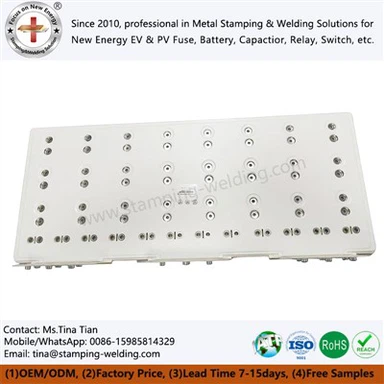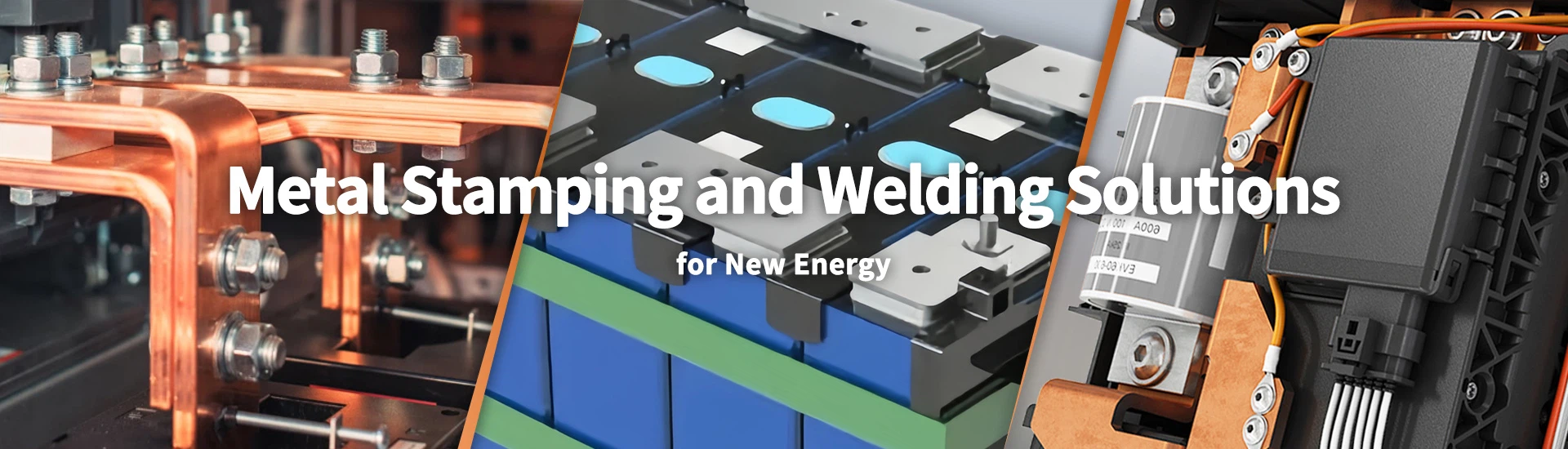
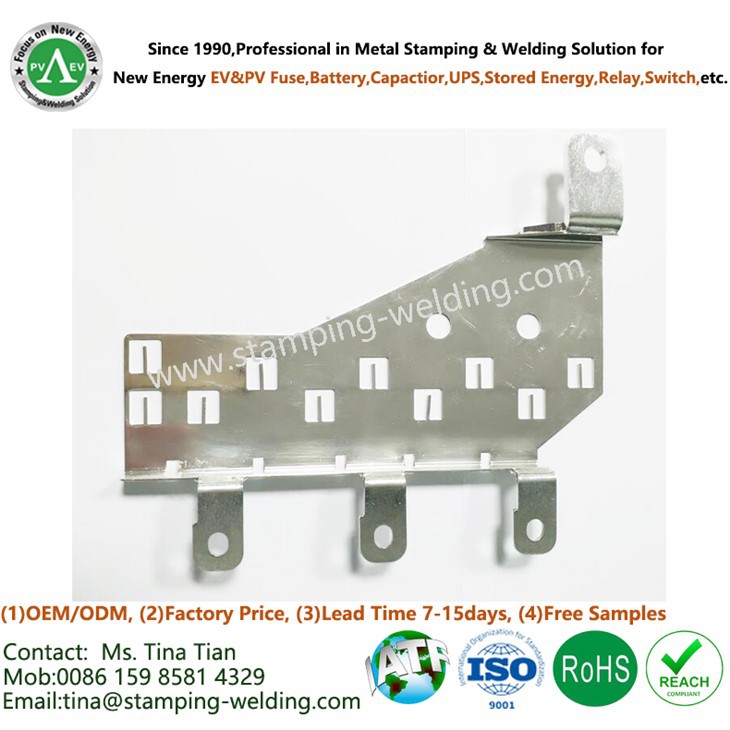


Copper Laminated Bus Bar
Custom Bus Bar is a critical electrical component used to distribute electrical power within various systems and applications. It typically consists of a metal strip or bar made from materials like copper or aluminum, and it serves as a highly efficient conductor of electricity.
- Fast Delievery
- Quality Assurance
- 24/7 Customer Service
Product Introduction
Products Description
copper Laminated Bus Bar plays a crucial role in ensuring efficient and reliable electrical power distribution, making them a fundamental component in various systems and applications.

product advantage
Optimized Energy Routing: Our bus bars are precision-engineered to serve as the arteries of electrical systems, ensuring the efficient transmission and distribution of power. This design minimizes energy dissipation, guaranteeing an unwavering flow of electricity with maximum efficiency.
Compact Power Architecture: With a sleek and space-saving design, our bus bars offer a superior alternative to traditional wiring methods. Their compact nature is particularly beneficial in constrained environments, allowing for efficient power distribution without sacrificing valuable space.
Thermal Management Excellence: Crafted with integrated heat dissipation features, our bus bars actively manage thermal loads. This proactive approach prevents system overheating, maintaining the integrity and safety of electrical operations.
Tailored Solutions: We recognize the diverse needs across various industries and offer bus bars that can be tailored to specific project requirements. From size and shape to complex configuration needs, our customization options ensure that each application receives a bus bar system perfectly aligned with its unique demands.
insulation type
Bus bars, serving as vital conductive elements in electrical systems, often necessitate insulation to avert potential hazards such as electrical arcing, short circuits, or unwanted contact with other conductive materials. Below are the prevalent methods of insulating bus bars:
Dip Coating:
This process involves submerging the bus bars into a liquid insulating material, providing a uniform layer of protection.
Powder Coating:
An electrostatic application method where a powder insulant is applied and then cured under heat, offering a durable and consistent insulating layer.
Spray Painting:
Using spray equipment to apply an insulating paint that dries to form a protective coating, this method allows for precise application and coverage.
Heat Shrink Tubing:
A flexible insulating tube that is slipped over the bus bar and shrunk into place with heat, ensuring a snug and secure insulating fit.
Each of these insulation techniques is carefully selected based on the specific requirements of the application, ensuring the safe and reliable operation of bus bars within a variety of electrical systems and devices. Proper insulation is a critical aspect of bus bar design, contributing to the overall safety and performance of the electrical infrastructure.

surface brushing
Surface Texturing Process:
Preparation:
Thorough preparation of the surface is essential, ensuring it is clean and free of any contaminants or defects that could affect the brushing outcome.
Brushing Tool Selection:
The choice of brushing tools is critical, with options ranging from wire brushes to abrasive pads, each designed to achieve different texturing effects.
Brushing Technique:
The technique employed during surface brushing is tailored to the material and desired finish, incorporating variable pressure and motion to refine the surface effectively.
Directionality:
The direction of brushing plays a significant role in the final appearance and texture, with unidirectional or circular brushing patterns creating distinct results.
Consistency:
Maintaining consistency throughout the brushing process is vital for an even finish and to avoid inconsistencies in texture or appearance.
Advantages of Surface Texturing:
Enhanced Visual Appeal:
Surface brushing significantly improves the aesthetics of a material, providing a uniform and polished look that is visually appealing.
Controlled Texture:
The process allows for precise control over the surface texture, which can be tailored to meet specific design requirements or functional needs.
Edge Deburring:
Brushing effectively removes burrs and smooths edges, which is crucial for safety and to prevent damage to adjacent components during assembly.
Increased Durability:
The act of brushing can enhance the durability of a surface, particularly when used as a pre-treatment step before further finishing processes such as anodizing or painting.
Anti-Reflective Properties:
By altering the surface texture, brushing can reduce glare and light reflection, which is beneficial in applications where visual clarity or reduced visibility is required.
Through these detailed steps and understanding the benefits, surface brushing emerges as a versatile process that enhances both the functional and aesthetic attributes of a wide range of materials and products.
contact us
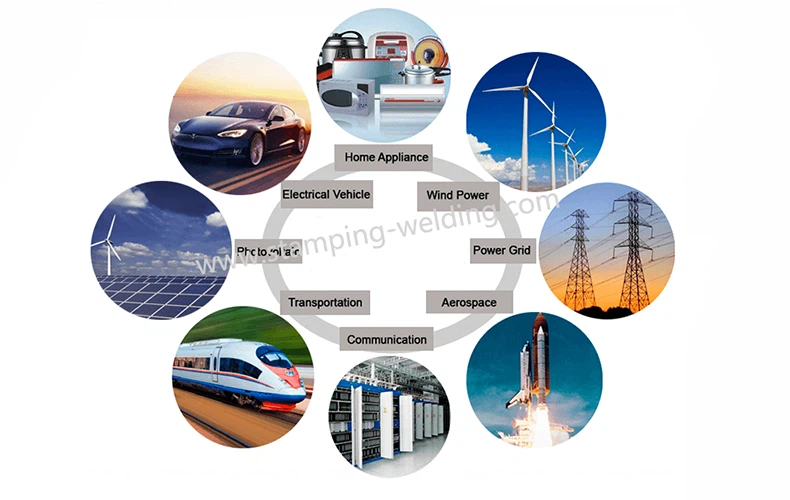
Since our establishment in 2010, we have specialized in delivering tailored stamping and welding solutions for diverse industries. Our expertise extends to the manufacturing of electric vehicle busbars, including laminated types, and the precision fabrication of contacts and caps utilized in electric vehicle and photovoltaic systems.

Hot Tags: copper laminated bus bar, China, manufacturers, suppliers, factory