


DC Distribution Cabinet
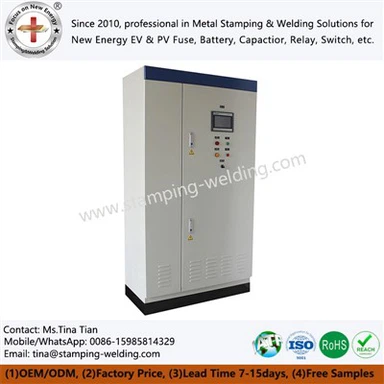
We specialize in the R&D and manufacturing of DC power distribution cabinets for industrial-grade applications. Our products are designed for medium- and high-voltage DC distribution environments, with a focus on long-term reliability, structural scalability, and on-site maintainability. Whether for centralized power distribution in energy storage stations, DC-coupled solar-plus-storage systems, or power supply for critical loads in data centers and industrial production lines, these DC distribution cabinets are engineered to ensure stable output and rapid response under complex operating conditions.
- Fast Delievery
- Quality Assurance
- 24/7 Customer Service
Product Introduction
This series of DC power distribution cabinets consists of cabinet-style DC power distribution equipment, primarily comprising the enclosure, DC busbars, circuit breaker or fuse modules, shunts and monitoring instruments, lightning protection modules, and secondary wiring systems.
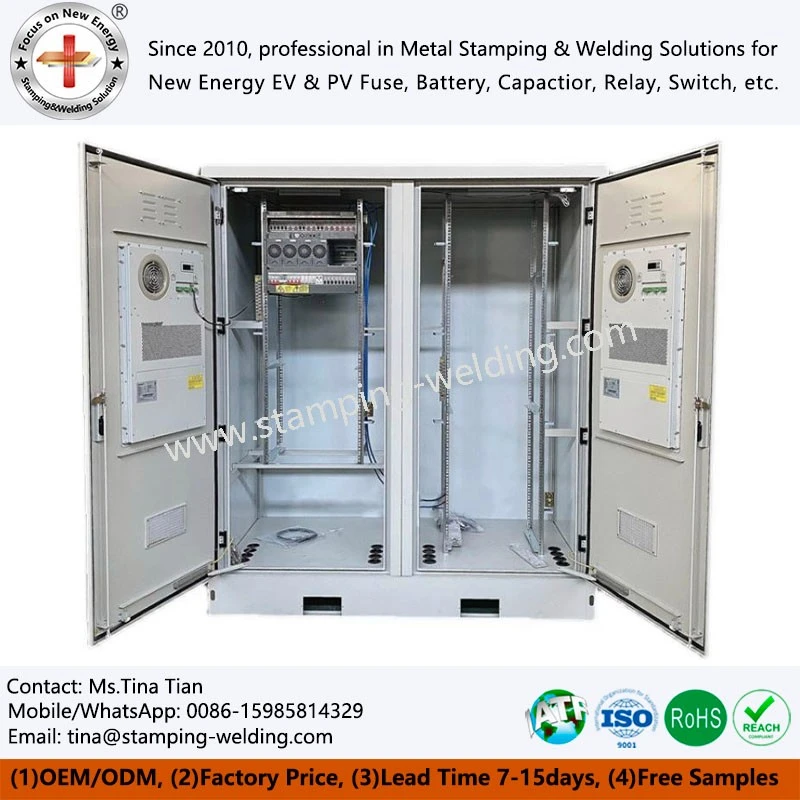
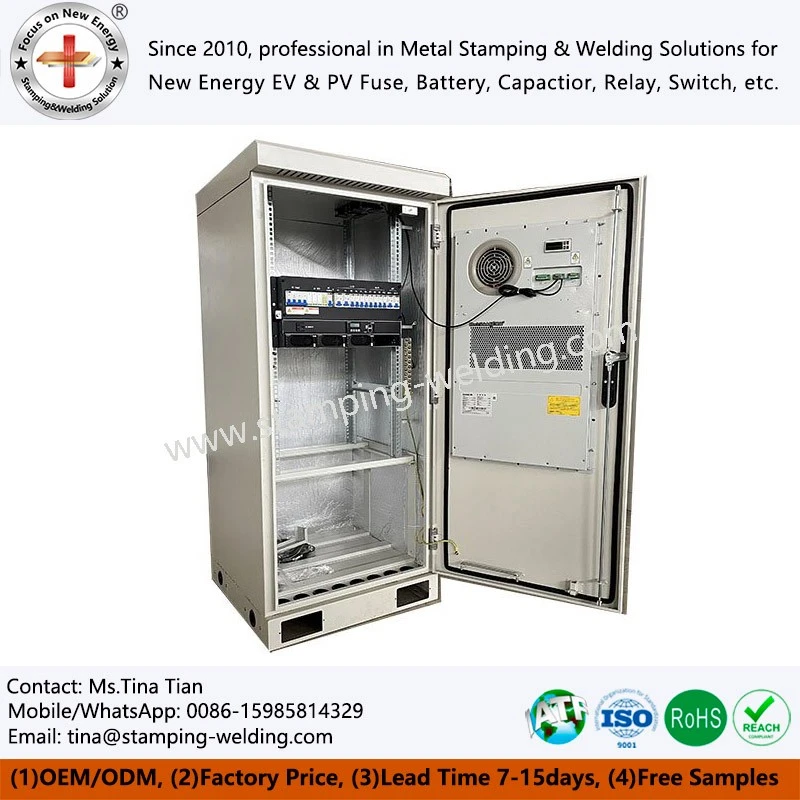
Cabinet Structure: Featuring a vertical cabinet layout with front and rear access doors (single-sided maintenance is optional), the interior is organized into distinct zones-incoming line, busbar, branch circuit, and monitoring-ensuring clear cable routing and allowing for maintenance tasks to be performed without mutual interference.
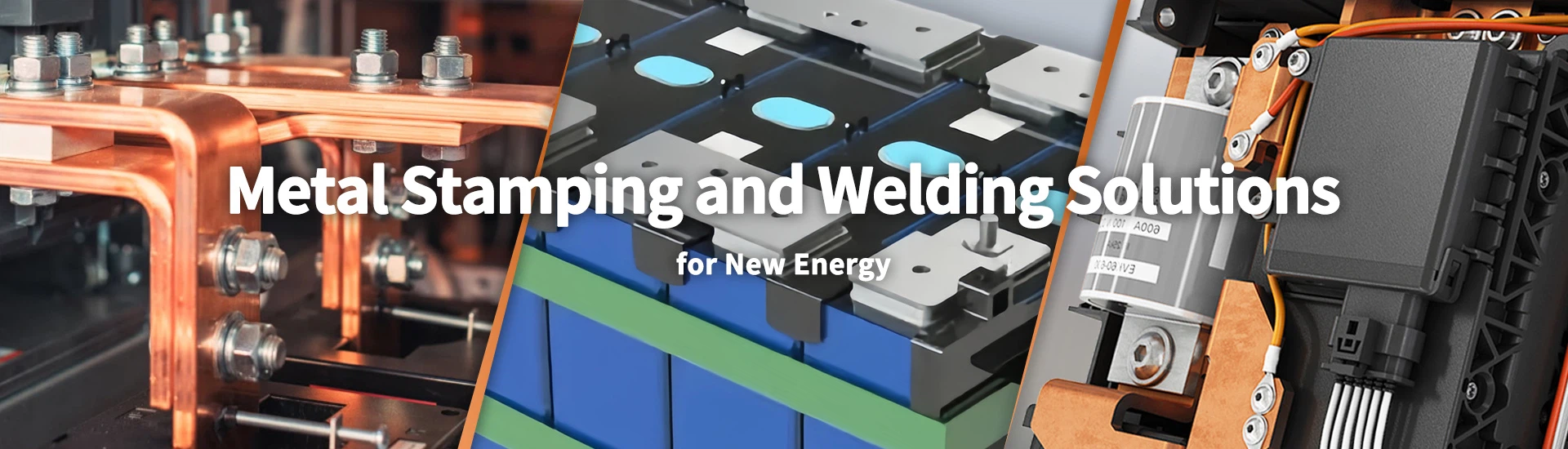
Busbar System: The main and branch busbars are connected using copper busbar joining techniques; contact surfaces are flattened and treated for protection to minimize contact resistance and the risk of temperature rise.
Modular Branch Circuits: Branch circuit breakers are installed on standardized mounting units, allowing for flexible configuration based on the required number of circuits and rated current. Additional circuits can be added or removed in the future without requiring modifications to the main cabinet structure.

Technical Features for Outdoor Fiber Distribution Cabinet
Temperature Rise Control
Busbar contact surfaces and current-carrying cross-sections are thermally verified. Combined with the enclosure's ventilation design, this ensures that temperature rise remains within limits during full-load operation, thereby slowing the aging of insulation.
Polarity Protection
DC systems are highly sensitive to polarity reversal. To mitigate installation risks, the internal terminals and labeling are designed to prevent confusion, and connection points feature mechanisms that alert users to incorrect polarity.
DC Arc Extinguishing
Since DC arcs are more difficult to extinguish than AC arcs, we strictly select protective devices with verified DC breaking capacity-avoiding the common industry pitfall of substituting them with AC-rated components.
Insulation Coordination
Electrical clearances and creepage distances-both between live parts and between live parts and the enclosure-are designed in strict accordance with relevant standards. These, together with integrated insulation monitoring, establish a dual-layer safety barrier.

Material Advantages for Distribution Cabinets for Data Centers
Enclosure Panels
Constructed from cold-rolled steel or galvanized steel, treated to ensure excellent corrosion resistance and long-lasting aesthetic quality; for outdoor applications, options with even higher corrosion resistance are available.
01
Busbars
Made of high-conductivity copper, ensuring stable electrical performance, reliable connections, and low power loss during long-term operation.
02
Insulation Materials
Components are selected for their heat resistance, moisture resistance, and flame-retardant properties, guaranteeing stable insulation performance over extended periods of use.
03
Component Brands
Core protection and switching devices are sourced from well-established industry brands through authorized channels, facilitating the future procurement and replacement of spare parts.
04
Consistency of Auxiliary Materials
Terminals, wire markers, labels, cable ties, and other auxiliary materials adhere to uniform specifications and standards, enhancing the neatness of the internal assembly and improving maintainability.
05

Frequently Asked Questions for Fiber Distribution Hub Cabinet
Q1: What are the fundamental differences between DC distribution cabinets and standard AC distribution cabinets?
-
A: The primary differences lie in arc-extinguishing capability, insulation coordination, polarity management, and grounding methods. DC arcs are more difficult to extinguish, necessitating higher breaking capacities for switches and superior long-term voltage-withstand performance for insulation materials. Furthermore, the internal layout and protection strategies must be specifically engineered to address the unique characteristics of DC power.
Q2: Is customization available based on project requirements?
-
A: Yes. We offer engineering customization tailored to your specific needs-including incoming power configurations, the number of outgoing circuits, protection settings, communication interfaces, enclosure dimensions, and ingress protection (IP) ratings. We also provide a formal process for drawing approval and prototype verification.
Q3: Are the cabinets easy to maintain or expand in the future?
-
A: Our cabinets feature a modular layout with reserved space for expansion, allowing for routine inspections and troubleshooting without the need for extensive disassembly. When expansion is required, additional outgoing units or monitoring modules can be integrated into the existing framework, minimizing disruption to the original system.
Q4: In what types of applications are these products typically used?
-
A: These products are primarily designed for energy storage power stations, DC-side combining and redistribution in photovoltaic (PV) systems, power supply for critical loads in data centers, industrial automation DC systems, and various other medium- and low-voltage DC distribution applications.
Q5: How is long-term operational reliability ensured?
-
A: We ensure reliability through a comprehensive quality management loop-encompassing the selection of highly conductive materials, optimized matching of busbars and switches, rigorous production process control, and exhaustive factory testing. Additionally, key components are traceable, which facilitates future operation, maintenance, and root-cause analysis.

contact us
If you are in the process of selecting equipment for energy storage, new energy, or industrial DC power distribution projects, please provide details regarding system voltage, input/output requirements, and protection strategies. Based on your specific operating conditions, we will offer tailored cabinet configurations and technical recommendations to help ensure a reliable implementation.

Hot Tags: DC Distribution Cabinet, DC Distribution Cabinet Manufacturer, DC Distribution Panel, DC Power Distribution Cabinet, Custom Distribution Cabinet, Industrial DC Distribution Cabinet