



Steel Distribution Cabinets
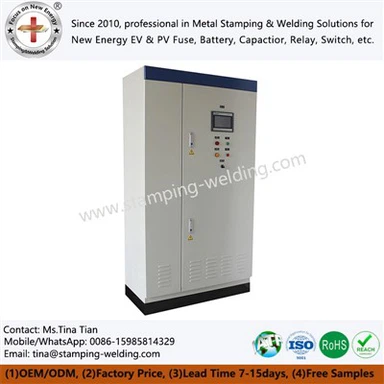
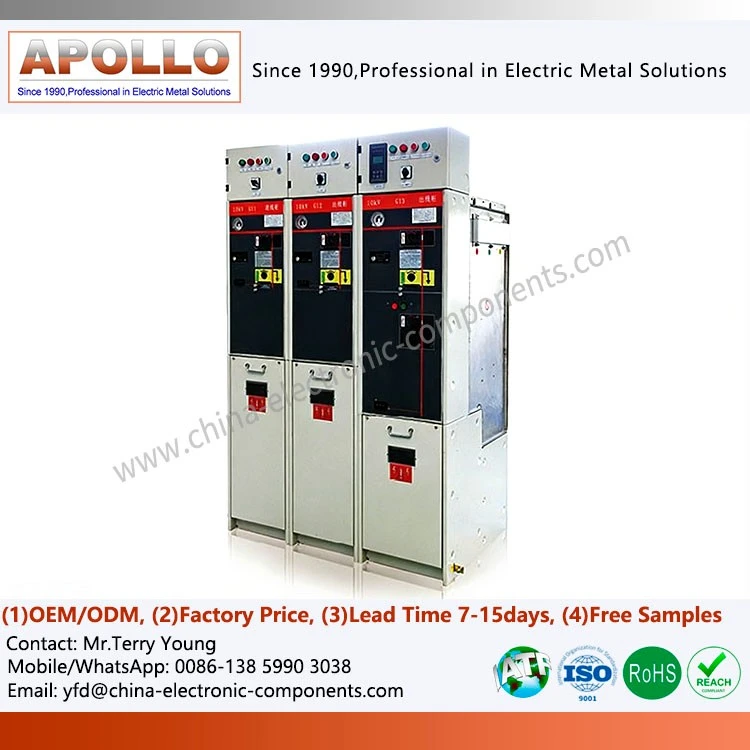
Steel distribution cabinets are electrical enclosures constructed from steel plates and metal structural components. They are primarily designed to house, organize, and protect electrical control components—such as circuit breakers, contactors, relays, busbars, terminal blocks, and power supply modules—and are widely used in industrial power distribution, building electrical systems, automated production lines, new energy power systems, and various types of industrial equipment. Beyond serving as a protective housing for electrical components, these cabinets provide the essential structural foundation for the entire power distribution system, facilitating the partitioning of components, the organization of wiring, operational management, and routine maintenance. Factors such as cabinet dimensions, plate thickness, mounting backplanes, door panel design, cable entry/exit points, and grounding configurations all directly influence the efficiency of the electrical assembly process and the overall ease of use of the equipment.
- Fast Delievery
- Quality Assurance
- 24/7 Customer Service
Product Introduction
For large-scale infrastructure and industrial automation projects, the procurement of power distribution cabinets is far more than just selecting a "metal enclosure." It is a comprehensive undertaking that addresses the entire lifecycle safety of a facility, the ease of long-term operation and maintenance, and compliance with system-level certification standards.
Structural and Environmental Resilience in Extreme Conditions: Whether deployed in the hot, humid environments of offshore wind substations, chemical industrial parks characterized by high salinity and dust, or transit hubs subject to frequent vibrations, our steel enclosures are engineered for superior physical strength and corrosion resistance. They provide robust protection against mechanical impact (IK10 rating) and the ingress of water and dust (up to IP65).
Thermal Management and Arc-Fault Protection: Through optimized internal airflow design and thermal field simulation, we effectively mitigate temperature rises caused by high-current busbars. The enclosure structure incorporates an internal overpressure relief mechanism, minimizing the risks posed to personnel and external equipment in the event of an internal arc fault.

Technical Features of Cable Distribution Cabinets
Temperature Rise Control
Thermal balance is verified based on component power dissipation and the enclosure's heat dissipation capacity, with a focus on mitigating hotspots at busbar connections, terminals, and areas surrounding circuit breakers. High-heat-generating components-such as variable frequency drives (VFDs), switching power supplies, and UPS units-are positioned separately, with dedicated cooling channels provided.
01
Busbar System
Copper or aluminum busbars are selected based on rated current and short-circuit withstand requirements. The spacing between supports and phases, as well as the configuration of insulating supports, follows validated layout standards. Busbar connections are tightened to specified torque values and marked to prevent loosening caused by long-term thermal cycling.
02
Ferromagnetic Induction Heating Control
A critical yet often overlooked detail specific to steel enclosures is that a single AC-carrying conductor passing through a ferromagnetic plate can induce eddy currents, leading to localized heating. We strictly control the placement of apertures and current levels in accordance with relevant standards; if limits are exceeded, non-magnetic partition plates are used or slots are cut into the steel, with the effectiveness subsequently verified through temperature-rise testing.
03
Environmental Adaptability
For high-altitude projects, electrical clearances and creepage distances are adjusted based on pollution levels and altitude, and component derating is evaluated. Outdoor enclosures are equipped with anti-condensation heaters, breather valves, or desiccant provisions, complemented by top rain canopies and double-layer door structures to withstand solar exposure and temperature fluctuations.
04
Protection Against Electric Shock
Solutions are provided in accordance with Class I (metal enclosure with continuous protective earthing) and Class II (double or reinforced insulation) standards. The continuity of the protective circuit is ensured through the use of dedicated earthing studs, serrated washers, and braided earthing straps, with earthing resistance maintained within the limits required by applicable standards.
05

Application Advantages and Typical Use Cases for Outdoor fiber optic distribution cabinet
Industrial Facilities and Production Lines
Suited for multi-circuit, high-current, and high-frequency operation requirements;
Commercial Buildings and Complexes
Optimized for space efficiency, low noise levels, and aesthetic integration;
Data Centers and Server Rooms
Designed for seamless deployment alongside cabinet systems, supporting integrated power distribution and monitoring;
Municipal, Transportation, and Public Infrastructure
Meets stringent protection standards and requirements for long-term, unattended operation;

FAQ for Outdoor Fiber Distribution Cabinet
Q: Can Apollo manufacture Distribution Cabinets for Data Centers according to our drawings?
A: Yes. We can evaluate cabinet dimensions, structural design, mounting hole configurations, door panel arrangements, and surface finish requirements based on the CAD drawings, 3D models, or samples provided by the client, and subsequently develop a tailored manufacturing plan.
Q: What materials can be used for custom Intelligent Distribution Cabinets?
A: We can assess the use of cold-rolled steel sheets or other suitable steel materials based on project requirements. The specific material grade, thickness, and surface treatment method will be determined by considering the cabinet structure, load-bearing requirements, and the operating environment.
Q: Can the cabinet be designed to accommodate circuit breakers, busbars, and wiring?
A: Yes. We can design mounting backplanes, brackets, cable entry points, and designated grounding points based on the client's electrical layout. Component spacing, insulation clearances, and actual electrical performance must be verified through a comprehensive electrical design and relevant testing.
Q: Can Apollo provide powder-coated cabinets that meet specific IP (Ingress Protection) rating requirements?
A: We can evaluate cabinet seams, door seals, cable entry structures, and surface treatment options to meet specified protection targets. However, the final IP rating must be confirmed through verification of the complete, fully configured assembly against applicable standards; it cannot be guaranteed based solely on the cabinet's appearance or individual sealing components.
Q: What information is required for an OEM quotation?
A: We recommend providing cabinet dimensions, engineering drawings, material and thickness specifications, the layout of components to be installed, surface finish requirements, target procurement quantities, and any relevant inspection or testing criteria. Comprehensive technical documentation helps ensure greater accuracy in structural assessment, process planning, and cost estimation.

contact us
We support specialized project requirements through engineering-driven customization capabilities and standards-compliant delivery. We provide end-to-end technical support-from solution tailoring and structural validation to on-site coordination. Please submit your specific application scenarios and technical requirements via our inquiry page to receive a customized engineering solution for Modular Distribution Cabinets.

Hot Tags: Steel Distribution Cabinet, Steel Electrical Distribution Cabinet, Distribution Cabinet Manufacturer, Custom Electrical Enclosure, Sheet Metal Electrical Cabinet, Industrial Distribution Cabinet, Custom Steel Cabinet, OEM Electrical Enclosure