



Fusible Link Caps
Fusible Link Caps are safety devices used in various industries to prevent overheating and fire hazards in electrical and mechanical systems. These caps consist of a fusible link and a protective cap. The fusible link is a specially designed component that melts at a predetermined temperature, typically in response to excessive heat or fire. When the fusible link melts, it triggers a shutdown or safety mechanism, preventing further damage or potential disasters.
- Fast Delievery
- Quality Assurance
- 24/7 Customer Service
Product Introduction
Products Description
Fusible Link Caps are commonly found in automotive applications, fire suppression systems, industrial machinery, and electrical circuits. Their primary purpose is to provide a reliable and fail-safe way to interrupt power or activate safety measures when temperatures reach a critical level. These caps are engineered to meet specific temperature ratings, ensuring that they respond precisely to the temperature conditions for which they are designed. This makes them an essential component for safeguarding equipment and systems in critical environments.

production feature
- Temperature Sensitivity: These caps are designed to respond to specific temperature thresholds. When the surrounding temperature exceeds the fusible link's melting point, it triggers a rapid and reliable response.
- Overheating Prevention: Fusible Link Caps serve as a crucial safety mechanism by preventing overheating and potential fire hazards. When the fusible link melts, it disconnects power or activates safety measures to protect equipment and personnel.
- Fail-Safe Operation: They provide a fail-safe operation, ensuring that in case of excessive heat or fire, the system is automatically shut down or safety measures are engaged, minimizing the risk of damage or injuries.
- Versatile Applications: Fusible Link Caps find applications in a wide range of industries, including automotive, fire suppression, industrial machinery, and electrical systems, where temperature control and safety are paramount.
- Custom Temperature Ratings: Manufacturers offer fusible link caps with various temperature ratings, allowing users to choose the right cap for their specific needs, depending on the critical temperature conditions of their applications.
- Durability: These caps are constructed from materials that withstand environmental conditions and maintain their integrity until the predetermined temperature threshold is reached.
- Reliability: Fusible Link Caps are highly reliable and ensure a swift response when needed, making them an integral part of safety systems in various industries.
- Ease of Replacement: In the event that a fusible link cap is activated, it can be replaced relatively easily, allowing for the restoration of normal operations without extensive downtime.
Surface treatment
Surface treatment, also known as surface finishing or surface coating, is a crucial step in manufacturing processes to enhance the performance, appearance, and durability of a wide range of products. It involves the application of various coatings, treatments, or modifications to the outer layer of a material or product.
- Painting and Coating: This involves applying paint, enamel, or a protective coating to the surface of an object. It provides protection against corrosion, improves aesthetics, and can add specific properties like heat resistance or conductivity.
- Plating: Plating involves electroplating a thin layer of a metal onto the surface of an object. This can enhance corrosion resistance, improve appearance, and provide better conductivity. Common plating materials include gold, silver, chrome, and nickel.
- Anodizing: Anodizing is an electrochemical process that creates a protective oxide layer on the surface of metals like aluminum. It improves corrosion resistance, adds color, and can provide electrical insulation.
- Powder Coating: Powder coating involves applying a dry powder to a surface and then heating it to create a smooth, durable, and protective layer. It's commonly used for metal products, appliances, and automotive parts.
- Chemical Treatments: Chemical treatments like passivation and phosphating are used to remove impurities, scale, or contaminants from metal surfaces. This can improve corrosion resistance and prepare surfaces for painting or plating.
- Laser Ablation: Laser ablation removes material from a surface using a laser beam. It's used for engraving, cleaning, and texturing surfaces, especially in industries like electronics and medical devices.
- Passivation: This is a chemical process used primarily on stainless steel to remove surface contaminants and improve corrosion resistance.
- Conversion Coatings: These coatings chemically convert the surface layer of metals into a protective film. Common examples include black oxide and chromate conversion coatings.
- Etching: Etching is a process that removes layers from a material to create specific patterns, textures, or designs on the surface. It's used in the production of printed circuit boards, decorative items, and more.
Surface treatment is a critical aspect of manufacturing across various industries, ensuring that products meet specific performance, aesthetic, and functional requirements while extending their lifespan and enhancing their overall quality
Electroplating process
In the context of electroplating, there are two distinct processes known as "bright tin" and "mist tin," each with its own unique characteristics:
Bright Tin Plating:
- Appearance: Bright tin plating, as the name suggests, results in a shiny and reflective surface finish. It provides a visually appealing, mirror-like appearance to the plated object.
- Application: Bright tin plating is commonly used for decorative purposes, as it enhances the aesthetic appeal of objects. It is often seen on items like jewelry, trophies, and various decorative pieces.
- Process: This process involves the use of additives and brighteners in the electroplating solution. These additives help in achieving a smooth, glossy finish by leveling and brightening the tin deposit.
- Advantages: Bright tin plating offers excellent corrosion resistance and solderability. Its reflective surface makes it desirable for decorative and cosmetic applications.
Mist Tin Plating:
- Appearance: Mist tin plating, in contrast, results in a matte or dull finish. The plated surface is less reflective and lacks the shine associated with bright tin plating.
- Application: Mist tin plating is often used in applications where a non-reflective or matte appearance is preferred. It finds utility in applications where glare or shine needs to be minimized.
- Process: This process typically involves fewer or no additives or brighteners in the electroplating solution. The absence of these chemicals contributes to the matte finish of mist tin plating.
- Advantages: Mist tin plating still offers good corrosion resistance and can be suitable for applications where aesthetics take a back seat to other functional considerations.


Partners
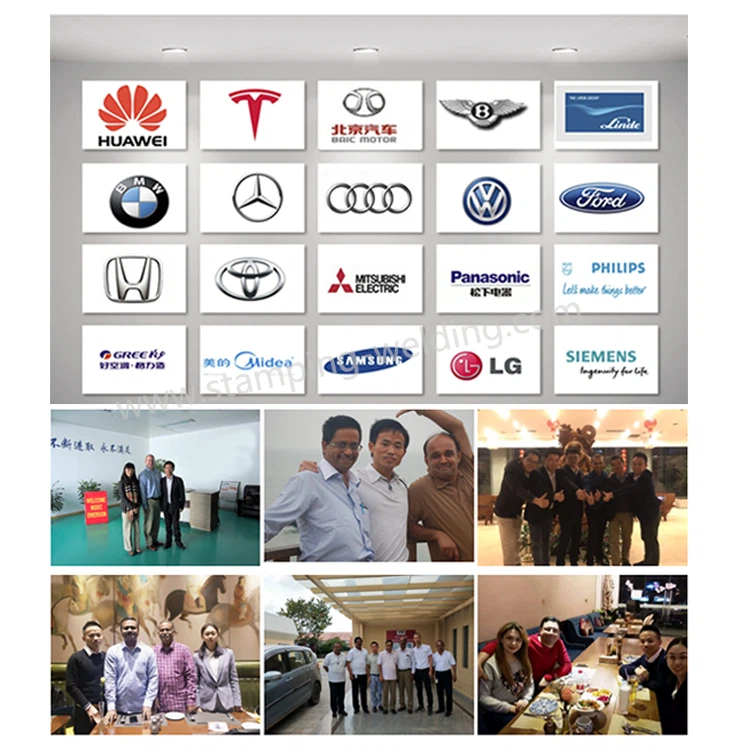
We cooperate with many large enterprises, including some world-renowned automobile manufacturers, such as Mercedes-Benz, Tesla, Audi, Honda, etc. The selection of these partners fully reflects our reputation and professional knowledge in the industry.
contact us
Starting from 2010, our expertise has been focused on delivering specialized solutions in stamping and welding for a range of applications, including electric vehicle busbars and laminated busbars, contacts and caps for electric vehicles and photovoltaic systems, aluminum shells for power batteries, as well as steel and aluminum cans for power capacitors.

Hot Tags: fusible link caps, China, manufacturers, suppliers, factory, Fuse Cap And Contact, Fuse Copper Outer End Cap Without Hole, Inner Cap For Solar Photovoltaic Fuse, Inner Cap With Hole For Automotive Fuse, Inner Cap With Hole For Fuse Base, T2 Copper End Caps For EV Fuse


