


Cap And Contact For New Energy Fuse
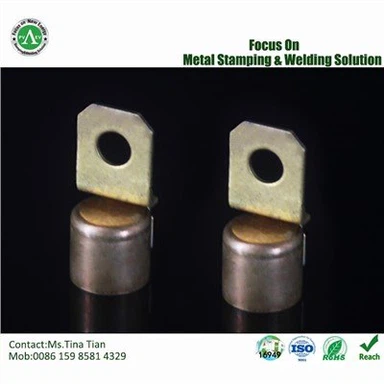
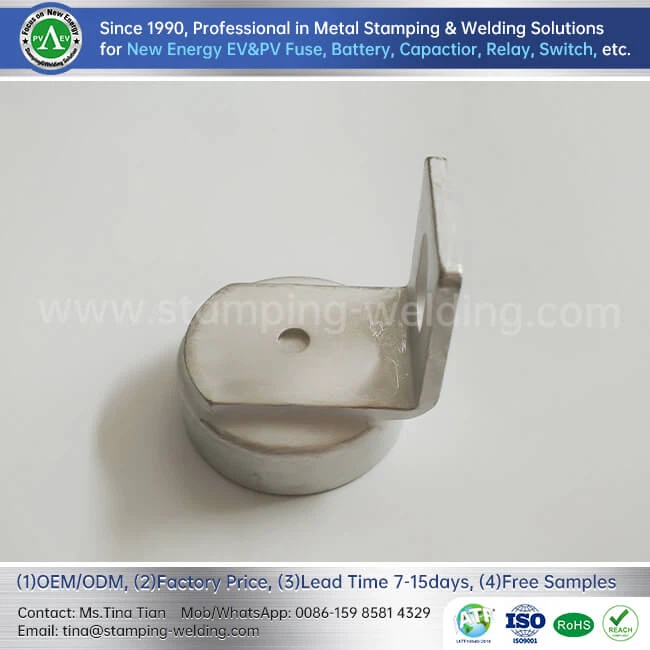
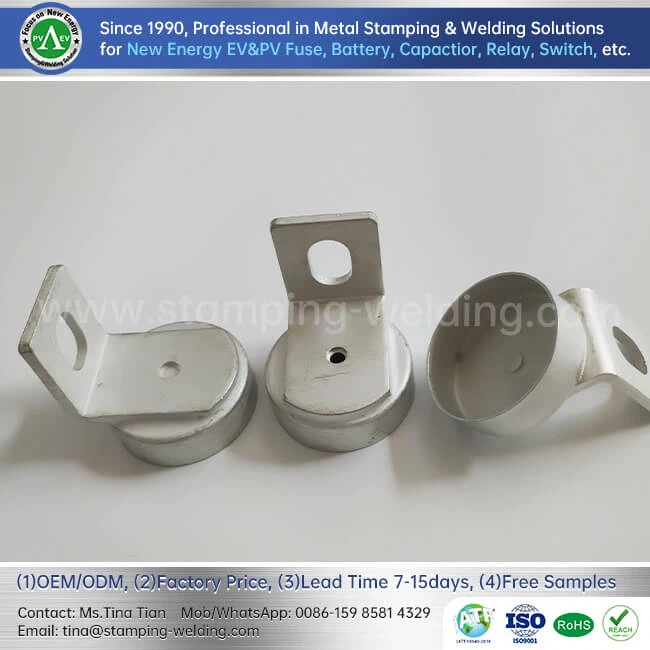
The Cap and Contact for New Energy Fuse represent a vital component within the domain of new energy systems, specifically designed to enhance the reliability and safety of advanced fuses used in electric and hybrid vehicles. This component comprises both the protective cap and the essential electrical contact, collectively ensuring secure encapsulation of the fuse's internals while maintaining precise electrical connectivity.
- Fast Delievery
- Quality Assurance
- 24/7 Customer Service
Product Introduction
PRODUCT INTRODUCTION
The Cap and Contact for New Energy Fuse represent a vital component within the domain of new energy systems, specifically designed to enhance the reliability and safety of advanced fuses used in electric and hybrid vehicles. This component comprises both the protective cap and the essential electrical contact, collectively ensuring secure encapsulation of the fuse's internals while maintaining precise electrical connectivity.

PRODUCT FUNCTIONS
Secure Encapsulation:
The cap portion of the component serves as a robust enclosure, protecting the internal elements of the fuse from external environmental factors such as moisture, dust, and contaminants. This encapsulation ensures the longevity and integrity of the fuse's critical components.
Environmental Resilience:
Electric and hybrid vehicles operate in diverse and challenging environments. The cap shields the fuse from the effects of temperature fluctuations, humidity, and external forces, maintaining consistent performance even under adverse conditions.
Corrosion Prevention:
The cap's material provides resistance to corrosion, safeguarding the fuse's electrical connections and ensuring continuous current flow over the fuse's lifespan. This feature is especially important in new energy systems where reliable connectivity is paramount.

MACHINING PROCESS
--
1. Material Selection:
The first step in manufacturing Cap and Contact components is selecting the appropriate materials. These components are often made from conductive materials like copper or aluminum due to their excellent electrical conductivity.
2. Machining Process:
- Lathe Turning: This is a common initial step in the machining process. It involves rotating the workpiece on a lathe while a cutting tool removes material to create the desired shape. For Cap and Contact components, a cylindrical shape is often needed.
- Milling: Milling machines are used to create features like grooves or recesses in the components. This step may be necessary to achieve the required design and functionality.
3. Drilling and Boring:
Holes and bores are drilled or machined into the components where necessary. These holes may be used for securing the component or for electrical connections.

PRODUCT INSPECTION
Visual Inspection:
Visual inspection is the first step in the inspection process. Inspectors examine the components for any visible defects, such as surface imperfections, cracks, irregularities in shape, or signs of damage during manufacturing or handling.
Dimensional Inspection:
Precise dimensions are crucial for ensuring the correct fit and functionality of Cap and Contact components. Dimensional inspection involves measuring key parameters such as length, diameter, thickness, and hole diameters using precision tools like micrometers, calipers, and gauges.
Electrical Conductivity Test:
Electrical conductivity is a critical property for Cap and Contact components, as they are responsible for carrying electrical current in a fuse. Inspectors may perform conductivity tests to ensure that the components meet the specified electrical conductivity requirements.
Weld Quality Inspection:
For components that involve welding, inspectors assess the quality of welds. This includes checking for proper fusion, the absence of voids or cracks in the weld, and adherence to welding specifications.
Mechanical Strength and Hardness Testing:
Mechanical properties such as tensile strength and hardness are essential for Cap and Contact components, as they must withstand mechanical stresses during operation.
Surface Finish Inspection:
The surface finish of Cap and Contact components can impact their electrical conductivity and corrosion resistance. Surface finish inspections involve assessing factors such as roughness and the presence of any surface defects or contamination.

OUR CUSTOMERS
--
Cooperated with China's top 10 Fuse manufacturers, such as CHINA BUSSMAN, Sinofuse, and Chnbeletc.If you have any intention to cooperate, please feel free to contact us at any time, we will feel very happy!

CONTACT US
--

Hot Tags: cap and contact for new energy fuse, China, manufacturers, suppliers, factory, Contact Fuse Links Assembly, Copper Pipe End Cap And Fuze Terminal, Fuse Contact Welded Components, Fuse Link Contact And End Cap For Auto Car, Fuse Link Welded Components, Outer Cap Fuse Contact