

Copper Cap And L-type Terminal For EV Fuse
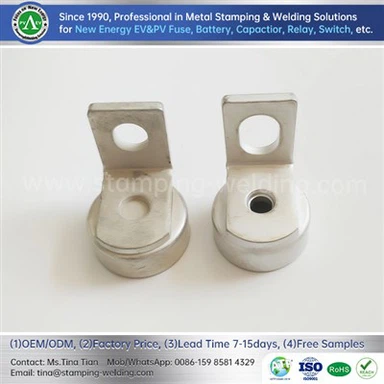
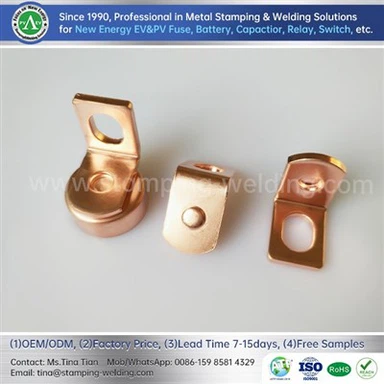
Copper Cap and L-type Terminal for EV Fuse: These innovative components play a vital role in enhancing the safety and efficiency of Electric Vehicle (EV) systems. The Copper Cap, typically manufactured from high-conductivity copper materials, serves as a critical connection point for the fuse element. Its exceptional conductivity ensures minimal power loss and optimal current distribution. On the other hand, the L-type Terminal provides a secure attachment point for the fuse within the EV's electrical system. Its unique design offers mechanical stability and efficient heat dissipation, preventing overheating and promoting reliable fuse operation. Together, the Copper Cap and L-type Terminal contribute to the overall reliability and safety of EV fuses, supporting the burgeoning electric vehicle industry's need for robust and high-performance components.
- Fast Delievery
- Quality Assurance
- 24/7 Customer Service
Product Introduction
PRODUCT INTRODUCTION
Copper Cap and L-type Terminal for EV Fuse: These innovative components play a vital role in enhancing the safety and efficiency of Electric Vehicle (EV) systems. The Copper Cap, typically manufactured from high-conductivity copper materials, serves as a critical connection point for the fuse element. Its exceptional conductivity ensures minimal power loss and optimal current distribution. On the other hand, the L-type Terminal provides a secure attachment point for the fuse within the EV's electrical system. Its unique design offers mechanical stability and efficient heat dissipation, preventing overheating and promoting reliable fuse operation. Together, the product contributes to the overall reliability and safety of EV fuses, supporting the burgeoning electric vehicle industry's need for robust and high-performance components.

PRODUCT ADVANTAGES
- Enhanced Conductivity: The Copper Cap, crafted from high-conductivity copper materials, ensures minimal resistance and voltage drop across the fuse element. This translates to improved energy efficiency and reduced power loss, allowing the EV's electrical system to deliver power more effectively from the battery to the various components.
- Optimal Current Distribution: Copper's exceptional conductivity enables even current distribution throughout the fuse element. This uniform distribution minimizes the risk of localized overheating or hotspots, which could potentially lead to fuse failure or hazardous situations. By maintaining a balanced current flow, the Copper Cap contributes to the fuse's longevity and reliability.
- Robust Mechanical Design: The L-type Terminal is engineered with a robust and secure design that firmly holds the fuse in place within the EV's electrical system. This prevents unintended movement or dislodging of the fuse during vehicle operation, ensuring continuous and stable electrical connections. The terminal's mechanical stability is especially crucial during the jarring conditions that can be encountered in vehicular environments.
- Efficient Heat Dissipation: The L-type Terminal's design often includes provisions for efficient heat dissipation. As electric vehicles operate under varying load conditions, heat can accumulate around the fuse. The L-type Terminal's design helps dissipate this heat effectively, preventing overheating that could lead to fuse degradation or failure.
- Enhanced Safety: Both the Copper Cap and L-type Terminal play integral roles in maintaining the safety of the EV's electrical system. By enabling stable and secure connections, they reduce the chances of loose or poorly-connected components that might pose safety risks. Moreover, the consistent current distribution and heat dissipation features minimize the possibility of thermal events or electrical failures that could compromise vehicle safety.
- Longevity and Reliability: The combination of efficient current distribution, optimal conductivity, and durable mechanical design increases the overall longevity and reliability of the EV fuse. With these components in place, the fuse is better equipped to withstand the rigors of daily driving and varying load demands, contributing to a more dependable and durable electric vehicle system.
- Support for EV Industry Growth: As the electric vehicle industry continues to expand, the demand for reliable, high-performance components grows. The Copper Cap and L-type Terminal address this demand by providing advanced solutions that align with the industry's emphasis on safety, efficiency, and sustainability.

PRODUCT APPLICATIONS
——
- Fuse Connection Point: The Copper Cap serves as a fundamental connection point for the fuse element in the EV's electrical system. It is strategically placed at the point where the fuse element interfaces with the vehicle's wiring or power distribution network. This ensures a low-resistance, high-conductivity connection that facilitates the seamless flow of electrical current. By minimizing resistance, the Copper Cap helps prevent energy losses and voltage drops, contributing to efficient power distribution throughout the vehicle.
- Uniform Current Distribution: Within the EV's complex electrical network, the Copper Cap's conductivity plays a key role in maintaining uniform current distribution across the fuse element. This feature prevents localized overheating, ensuring that no part of the fuse element becomes a weak point susceptible to failure. Uniform current distribution enhances the fuse's reliability and longevity, safeguarding the vehicle from potential electrical failures.
- Secure Attachment Point: The L-type Terminal functions as a secure attachment point for the fuse within the EV's electrical system. Its robust mechanical design ensures that the fuse remains firmly in place, even during the vehicle's vibrations and movements. This stability is vital to prevent accidental dislodging or displacement of the fuse, which could disrupt the electrical circuit and compromise the vehicle's operation.
- Heat Dissipation: As electric vehicles operate under varying load conditions and environmental temperatures, heat can accumulate around the fuse. The L-type Terminal's design often incorporates features that promote efficient heat dissipation. This prevents excessive heating of the fuse element, reducing the risk of fuse degradation, overheating, or even melting. By maintaining appropriate temperatures, the L-type Terminal contributes to the overall safety and performance of the EV's electrical system.
- Reliability and Safety: Both product significantly enhance the reliability and safety of the EV's electrical infrastructure. The stable connections and uniform current distribution facilitated by these components minimize the potential for electrical faults or failures. This, in turn, reduces the risk of fire hazards or sudden power disruptions, contributing to the overall safety of the vehicle and its occupants.
- Compatibility and Integration: Copper Cap and L-type Terminal designs are often engineered to seamlessly integrate into existing electrical systems, ensuring compatibility with standard fuse sizes and configurations. This makes their adoption and integration into the EV manufacturing process relatively straightforward, facilitating the incorporation of these advanced components into the vehicle's electrical architecture.
- Industry Advancement: As the electric vehicle industry continues to evolve, innovations such as product components are essential for maintaining the industry's growth trajectory. These components address the demands for higher efficiency, improved safety standards, and reliable performance, thus supporting the ongoing transition to more sustainable transportation solutions.

PRODUCTION WORKSHOP
——
Our advanced production workshop is dedicated to the meticulous manufacturing of Copper Cap and L-type Terminal components for Electric Vehicle (EV) Fuses. With a fusion of cutting-edge technology and precision engineering, our facility stands as a beacon of innovation. Our skilled engineers and technicians collaborate to create components that define the future of electric mobility. From the careful selection of high-conductivity copper materials to the intricacies of design and assembly, each step is executed with an unwavering commitment to quality. Our workshop focuses on optimizing conductivity, ensuring secure connections, and facilitating efficient heat dissipation. It underscores our company's dedication to enhancing the realms of EV safety, reliability, and overall performance.

PROCESSING TECHNOLOGY
——
The processing technology behind our product exemplifies precision and innovation at every stage. Starting with the selection of high-quality copper materials, our process ensures optimal conductivity. Advanced shaping techniques, including precision cutting and forming, transform these materials into the desired component shapes.
For the Copper Cap, a combination of precision stamping and machining techniques is employed to create its intricate design, allowing for seamless integration with the fuse element. The copper's high conductivity ensures minimal energy loss and efficient current distribution throughout the fuse.
Meanwhile, the L-type Terminal undergoes a meticulous forming and fabrication process, incorporating features that facilitate secure attachment to both the fuse and the vehicle's electrical system. Its design also incorporates provisions for effective heat dissipation, addressing the thermal challenges inherent in electric vehicle operation.
Throughout the process, rigorous quality control measures are implemented. High-resolution inspections, dimensional accuracy checks, and conductivity tests guarantee that each component meets the stringent standards set by both industry regulations and our company's commitment to excellence.
Ultimately, our processing technology harmonizes engineering precision with advanced materials to yield Copper Cap and L-type Terminal components that not only exemplify conductivity and mechanical stability but also advance the safety, reliability, and overall performance of EV fuses.

PRODUCT INSPECTION
——
- Dimensional Accuracy and Visual Inspection: Each product undergoes a thorough visual inspection to verify its physical integrity and overall appearance. This step ensures that there are no visible defects, imperfections, or irregularities in shape or surface finish. The dimensional accuracy of the components is measured using precision instruments to ensure they adhere to the required specifications.
- Pull-Out Force Testing: One critical aspect of the inspection process involves evaluating the pull-out force required to dislodge the components from their respective attachments. For the L-type Terminal, technicians carefully measure the force required to detach the terminal from both the fuse and the vehicle's electrical system. This test ensures that the terminal's attachment is secure and can withstand the mechanical stresses that arise during EV operation.
- Conductivity Testing: A pivotal parameter for these components is their conductivity. Specialized equipment measures the electrical resistance across the product. This test ensures that the copper used maintains the desired high conductivity levels, critical for efficient current distribution and minimizing energy loss.
- Heat Dissipation Performance: If the components are designed to facilitate heat dissipation, this performance is evaluated. Testing may involve subjecting the components to elevated temperatures while monitoring their heat transfer capabilities. This step ensures that the components effectively dissipate heat, preventing overheating and potential damage.
- Mechanical Stability: Both components are subjected to mechanical stability tests, simulating real-world conditions. This involves subjecting the components to vibrations, shocks, and cyclic stresses to ensure that they remain firmly attached and operational under varying driving conditions.
- Environmental Testing: In some cases, environmental tests might be conducted to assess how the components withstand factors like temperature fluctuations, humidity, and exposure to different elements over time. This step ensures that the components can endure the diverse conditions that electric vehicles may encounter.
- Regulatory Compliance Check: The inspection process includes verifying that the product adheres to relevant industry standards and regulations. This ensures that the components meet safety and performance requirements.
- Documentation and Traceability: Each inspected component is documented with details of its inspection results, including measurements, test outcomes, and any notes. This documentation ensures traceability and quality control throughout the production process.

OUR CERTIFICATIONS

OUR CUSTOMERS

CONTACT US
——
For more information about our products, please contact our team!

Hot Tags: copper cap and l-type terminal for ev fuse, China, manufacturers, suppliers, factory, Fuse Link Welded Components, Fuse Contact And End Caps Components, Fuse Contact, Fuse Contact Welded Components, T2 Copper End Caps And Fuse Contact, Electric Fuse Outer Cap