

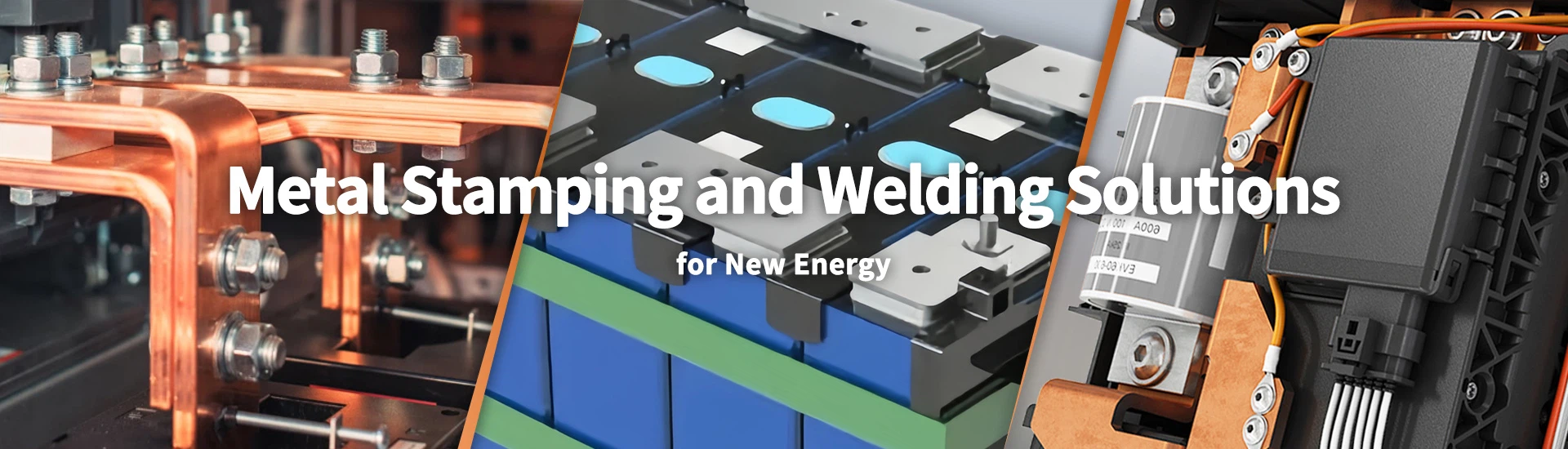

Copper Metal End Cap And Fuse Link Contact
The copper metal end cap and fuse link contact are two components commonly found in cartridge-type fuses. They play important roles in ensuring proper electrical contact and current flow within the fuse assembly.
- Fast Delievery
- Quality Assurance
- 24/7 Customer Service
Product Introduction

The copper metal end cap and fuse link contact are two components commonly found in cartridge-type fuses. They play important roles in ensuring proper electrical contact and current flow within the fuse assembly.
Copper Metal End Cap:
The copper metal end cap is located at one end of the fuse body and serves as a terminal for electrical connections. It is typically made of copper or copper alloy due to copper's excellent electrical conductivity. The end cap is attached to the fuse body, which contains the fuse element, through a secure connection.
The main functions of the copper metal end cap are as follows:
1. Electrical Connection: The end cap provides a contact point for external electrical connections. It allows for the attachment of wires, busbars, or other conductive elements to the fuse.
2. Current Transfer: The electrical current flowing through the fuse element enters or exits the fuse assembly through the copper end cap. The high electrical conductivity of copper ensures minimal resistance and efficient current transfer between the fuse element and external electrical circuits.
3. Mechanical Support: The end cap adds structural stability and support to the fuse assembly, holding the components together and protecting the internal elements from external damage.
Both the copper metal end cap and fuse link contact are crucial for the proper functioning of cartridge-type fuses. They ensure reliable electrical connections, efficient current flow, and heat dissipation within the fuse assembly, contributing to the overall protection and operation of electrical circuits.


Test method for welding quality effect of Fuse Contact Cap
To evaluate the welding quality effect of a fuse contact cap, you can employ various test methods to assess the strength and integrity of the weld joint. Here's an outline of a typical test method used for evaluating the welding quality of a fuse contact cap:
1. Visual Inspection:
Start with a visual inspection of the weld joint. Look for any visible defects such as cracks, voids, incomplete fusion, or insufficient penetration. Ensure that the weld surface is smooth, uniform, and free from any irregularities.
2. Dimensional Measurements:
Measure the dimensions of the weld joint using appropriate tools such as calipers or micrometers. Verify that the weld dimensions align with the required specifications, including width, length, and thickness. Any significant deviations from the specified dimensions may indicate a welding quality issue.
3. Bend Test:
Perform a bend test to assess the weld's ductility and evaluate the adhesion between the contact cap and the base material. The specific procedure may involve applying a controlled force to bend the welded area to a specified angle. Evaluate the weld for any signs of cracking, fracture, or separation. A strong and properly welded joint should exhibit sufficient ductility without any signs of failure.
4. Tensile Strength Test:
Conduct a tensile strength test to determine the weld's ability to withstand applied tension. This test involves applying a gradually increasing load to the weld joint until failure occurs. Measure the maximum load or stress at which the weld fails and compare it against the specified strength requirements. A well-executed weld should exhibit adequate tensile strength, typically meeting or exceeding the specified standards.
5. Microstructural Analysis:
Perform a microstructural analysis by taking cross-section samples of the weld joint. Polish and etch the samples to reveal the weld zone's microstructure. Examine the microstructure under a microscope to assess the fusion, grain structure, and any potential defects such as porosity or lack of fusion. A sound weld joint should display a homogeneous and well-fused microstructure without any visible defects.
6. Non-Destructive Testing (NDT):
Consider employing non-destructive testing methods such as ultrasonic testing or radiographic inspection. These techniques can detect internal defects or inconsistencies that may not be visible to the naked eye. Ultrasonic testing uses sound waves, while radiographic inspection involves X-rays or gamma rays to examine the weld joint. These tests can provide valuable information about the quality and integrity of the weld.

Bolt Connection Fuse End Blade Ferrules packaged as delivered can be stored for one year from the date indicated on the packing label under the following conditions:
1)Temperature:-15 °C- +30°C (no condensation)
2)Humidity: 85% RH or less
3)Not exposed to corrosive gas or sea breeze
4)No visible dust
5)Not exposed to direct sunlight
6)Load: No application of load that may cause deformation or degradation of the product.

Hot Tags: copper metal end cap and fuse link contact, China, manufacturers, suppliers, factory, Copper Pipe End Cap And Fuze Terminal, Electric Fuse Outer Cap, Fuse Copper Cap, Fusible End Cap And Contact For New Energy Car, Outer Cap And Automotive Fuse Terminals, Outer Cap And Contact For Automotive Fuse


