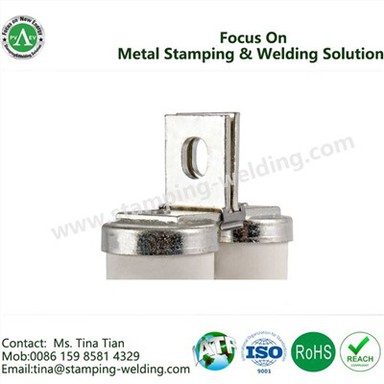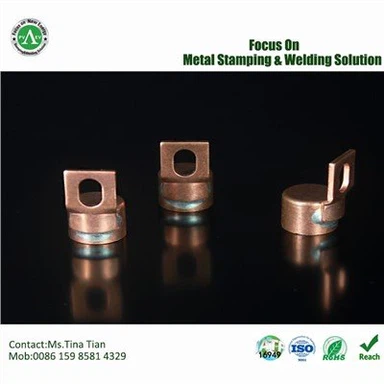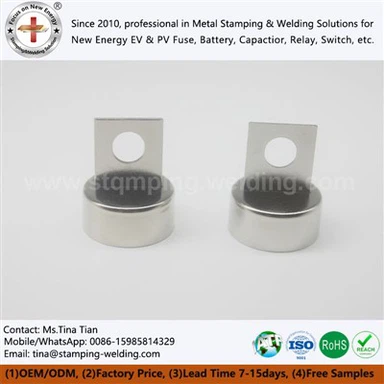


Round Copper End Cap For Electrical Fuse
Round copper end caps are used for electrical fuses to ensure a secure and reliable connection to the fuse holder, providing a conductive path for the flow of electrical current.
- Fast Delievery
- Quality Assurance
- 24/7 Customer Service
Product Introduction
PRODUCT INTRODUCTION
Round Copper End Cap For Electrical Fuse is a high-performance component designed specifically for electrical equipment, primarily used to protect and connect circuits. These end caps are made from highly conductive Fuse Copper material, ensuring safety and stability in electrical connections. Additionally, the use of Matte Tin-plated Copper Cap enhances corrosion resistance and extends product lifespan. They typically serve as Copper Cap for Cylindrical Fuses and Cap for Cylindrical In-line Fuse-links, playing a vital role in electrical systems.

PRODUCT FUNCTIONS
--
- Electrical Conduction: Round copper end caps provide a continuous, conductive path between the electrical fuse and the fuse holder or other circuit components. The copper material used in the end cap has high electrical conductivity, enabling the smooth flow of electrical current.
- Current Limitation: Round copper end caps may also provide a current-limiting function. When a circuit experiences a fault condition, the fuse element in the electrical fuse melts and opens the circuit, interrupting the flow of current. The copper end cap helps to ensure that the current is interrupted quickly and completely.
- Heat Dissipation: Cap for Cylindrical In-line Fuse-links are designed to dissipate heat generated by the flow of electrical current. The copper material has good heat conductivity, enabling the heat to be transferred from the fuse element to the surrounding environment, thereby helping to prevent overheating and potential damage to the fuse or surrounding circuitry.
- Safety: Round copper end caps provide a safe way to handle and install electrical fuses. The copper material is non-sparking, helping to prevent accidental ignition or short circuits during handling or installation.
- Ease of Installation: The round shape of copper end caps makes them easy to install onto fuse elements or into fuse holders. The smooth surface of the copper cap slides onto the fuse element, ensuring a secure connection and reliable electrical contact.

PROCESSING TECHNOLOGY
--
- Copper Extrusion: The initial step is to extrude copper billets into round profiles. This is achieved using a hot extrusion process, where the copper billet is heated to a semi-liquid state and forced through a die to achieve the desired round shape. The extruded profiles are then cooled and cleaned to remove any surface defects.
- Forming and Shaping: The next step involves forming and shaping the round copper end cap. This typically involves punching or stamping operations to create the necessary features, such as the central opening for the fuse element and any additional embossments or indentations required for assembly and installation. Forming and shaping operations are carefully controlled to ensure accurate dimensions and features of the copper end cap.
- Electrical Testing: After the copper end cap is formed and shaped, it undergoes electrical testing to ensure its conductive properties. This typically involves measuring the electrical resistance of the copper end cap to ensure that it meets the specified electrical performance requirements.
- Surface Finishing: The copper end cap then undergoes surface finishing operations to remove any remaining burrs or roughness and ensure a smooth finish. This may involve deburring, polishing, or other processes that enhance the appearance and smoothness of the copper end cap.
- Assembly and Packaging: Finally, the copper end caps are assembled onto the electrical fuse elements or into packaging for distribution. Assembly typically involves threading, torquing, or other fastening methods to secure the copper end cap onto the fuse element or into the packaging. Packaging materials must be chosen carefully to ensure protection of the copper end cap during storage and transportation.

PRODUCT INSPECTION
--
- Visual Inspection: The first step in inspection is a visual examination of the copper end cap. This involves inspecting the cap for any surface defects, such as scratches, dents, or other deformations. The cap should appear smooth and featureless, with no visible imperfections that could affect its performance.
- Dimensional Inspection: Dimensional inspection involves the measurement of copper end cap dimensions, such as diameter, wall thickness, and central opening size. This is to ensure that they meet the specified tolerances and comply with the design requirements. Dimensional inspection can be performed using precision measuring tools, such as calipers, gauges, and micrometers.
- Material Composition Analysis: Material composition analysis is used to confirm that the copper end cap is made from pure copper and contains the appropriate alloying elements. This can be done using techniques such as X-ray fluorescence (XRF) or inductively coupled plasma (ICP) analysis.
- Electrical Resistance Testing: Electrical resistance testing is used to measure the electrical resistance of the copper end cap and its components to ensure that they meet the specified electrical performance requirements. This can be done using a precision ohmmeter or similar instrument to measure the resistance of critical components, such as the copper end cap itself or the fuse element.
- Mechanical Property Testing: Mechanical property testing is used to evaluate the copper end cap's mechanical strength and stiffness. This can be done using techniques such as tensile testing, hardness testing, or fatigue testing to ensure that the copper end cap meets the specified mechanical property requirements for its intended application.
- Water Resistance Testing: Water resistance testing is used to ensure that the copper end cap is watertight and will not allow moisture or water to enter the fuse holder or other circuit components. This is typically done by submerging the copper end cap in water and inspecting for any leaks or water ingress.
- Functional Testing: Functional testing involves assembling the copper end cap onto a fuse element or into a fuse holder and testing its overall performance under simulated operating conditions. This can involve simulating electrical current flow through the fuse circuit and monitoring the copper end cap's ability to conduct current and maintain circuit continuity. It also checks for any adverse affects on other circuit components, such as heating or arcing.
- Environmental Testing: Environmental testing may be performed to simulate the copper end cap's performance under various environmental conditions, such as temperature extremes, humidity, and salt-fog exposure. This helps to ensure that the copper end cap will function properly under a range of environmental conditions.

CONTACT US
--
For more information about our products, don't hesitate to get in touch with our team!
Whether it is to answer questions or discuss cooperation, we look forward to your contact with the most sincere enthusiasm. Together, let's make dreams come true!

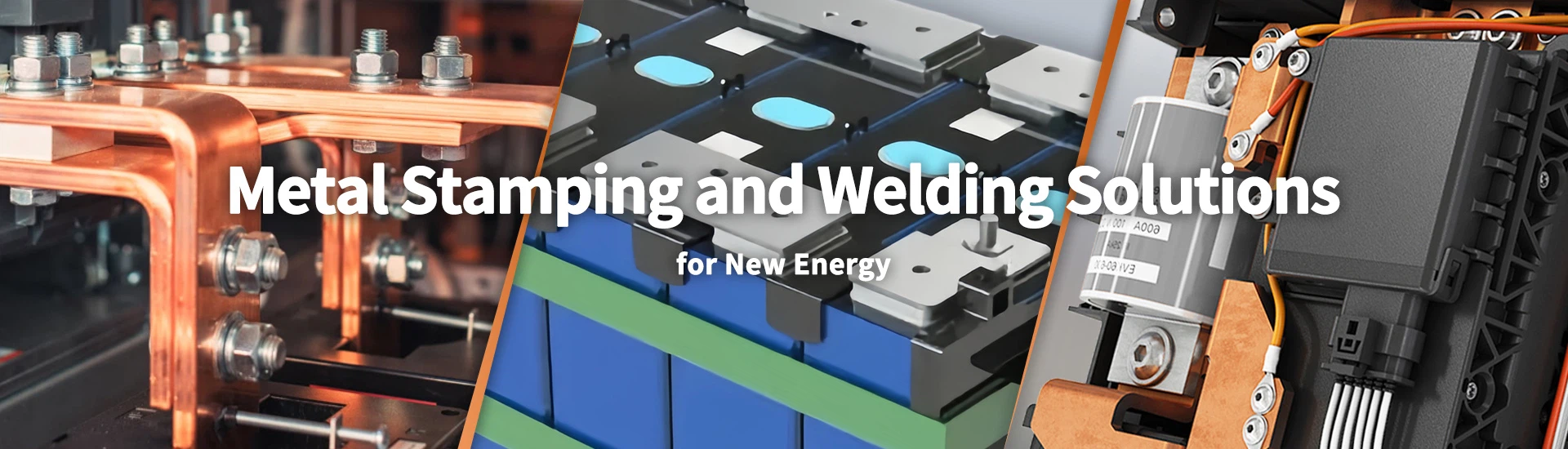
Round Copper End Cap, with its excellent conductivity, corrosion resistance, and high reliability, is widely used in electrical equipment and new energy vehicle electrical systems. These end caps not only enhance the safety and stability of electrical connections but also effectively protect fuses, ensuring normal operation of circuits.
Hot Tags: round copper end cap for electrical fuse, China, manufacturers, suppliers, factory, Cylindrical Body Contact Knife For Fuse Links, Fuse Cap, Fuse Terminal Contact, H65 Brass Contact Fuse, Red Copper Fuse Terminal, Terminal Contact