

Fuse Clips For EV
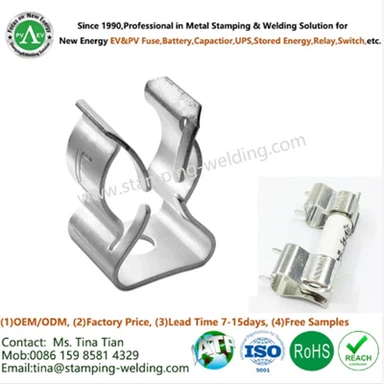
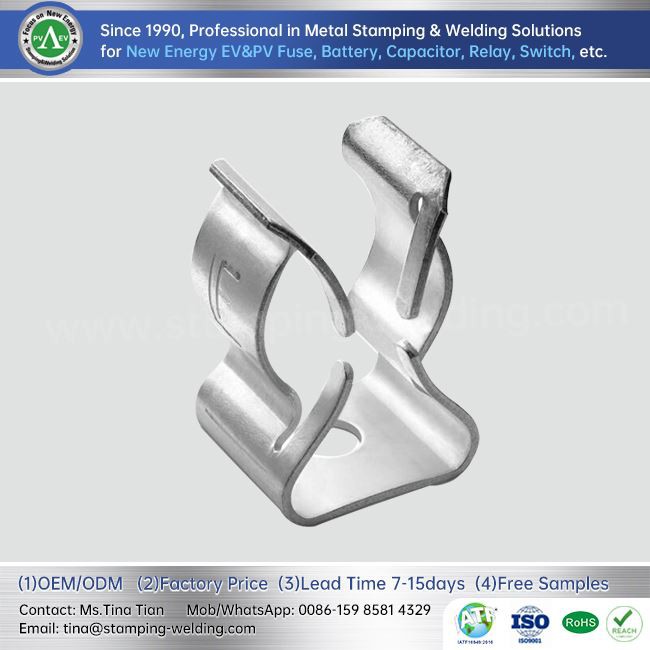
Fuse clips for electric vehicles (EVs) are a type of fastener used to secure fuses or circuit breakers to EV circuit protection systems. These clips allow for the easy insertion and removal of fuses, providing quick and convenient access to the circuit breaker for servicing or replacement. Fuse clips are designed to handle the high levels of current flow in EV circuits while maintaining their ability to reliably hold the fuses in place. The clips are made of heat-resistant materials, such as plastic or metal, to ensure their longevity and durability in the high-temperature environment of an EV.
- Fast Delievery
- Quality Assurance
- 24/7 Customer Service
Product Introduction
PRODUCT INTRODUCTION
Fuse clips for electric vehicles (EVs) are a type of fastener used to secure fuses or circuit breakers to EV circuit protection systems. These clips allow for the easy insertion and removal of fuses, providing quick and convenient access to the circuit breaker for servicing or replacement. Fuse clips are designed to handle the high levels of current flow in EV circuits while maintaining their ability to reliably hold the fuses in place. The clips are made of heat-resistant materials, such as plastic or metal, to ensure their longevity and durability in the high-temperature environment of an EV.

FUNCTIONS
——
- Circuit Protection: Fuse clips play a crucial role in providing circuit protection for EVs. They allow for the insertion and removal of fuses or circuit breakers, which interrupt the flow of current in the circuit in the event of a short circuit or overcurrent condition. This helps to prevent damage to the EV's electrical system and components.
- Easy Access: Fuse clips facilitate easy access to the circuit breaker for servicing or replacement. They allow fuses to be quickly inserted or removed from the circuit, providing convenient maintenance and repair capabilities.
- Current Limitation: Fuse clips are designed to handle the high levels of current flow in EV circuits. They are constructed of heat-resistant materials to withstand the high temperatures generated by high current loads and to ensure reliable performance.
- Safety: Fuse clips help to ensure the safety of EVs and their occupants. They prevent excessive current from damaging the electrical system and igniting a fire, protecting both the vehicle and its occupants from potential harm.
- Durability: Fuse clips are designed to withstand the mechanical stress and repeated use that occur in an EV's circuit protection system. They maintain their functionality over time and under varying temperature and humidity conditions.

PROCESSING TECHNOLOGY
——
- Raw Material Procurement: The first step is the procurement of raw materials necessary for the production of Fuse Clips For EV, such as base metal, insulation materials, and fasteners. The materials selected should have properties suitable for the intended application, such as mechanical strength, electrical conductivity, and heat resistance.
- Design and Development: The next step is the design and development of the Fuse Clips For EV. This includes the creation of product blueprints and technical drawings, as well as the specification of performance standards and quality requirements. The design should take into account the specific performance requirements of the fuse clip, such as current capacity, mechanical strength, and ease of installation.
- Fabrication: After the design is complete, the production of the Fuse Clips For EV begins with the procurement of raw materials. Fabrication may involve various metalworking techniques, such as stamping, bending, and welding, to form and assemble the various components of the fuse clip.
- Assembly: The next step is the assembly of the Fuse Clips For EV. This involves the physical assembly of the various components into a completed unit ready for testing and use. Assembly should ensure a tight fit between components and reliable operation of the fuse clip.
- Testing and Quality Control: After assembly, each Fuse Clips For EV is tested to ensure compliance with performance standards and quality requirements. This may involve electrical testing to ensure proper current handling capabilities, mechanical testing to ensure strength and durability, and visual inspection to ensure a clean and professional appearance.
- Packaging and Shipping: After testing and quality control, the Fuse Clips For EV are packaged for shipment to customers or end users. Packaging should protect the clips during transportation and storage and provide information about the product and its specifications.
- Customer Support: Finally, customer support is an essential part of the product processing of Fuse Clips For EV. This may include providing installation instructions, answering technical questions, and offering after-sales support to ensure customer satisfaction and reliable operation of the Fuse Clips For EV.

SURFACE TREATMENT
——
- Cleaning: The first step in surface treatment is cleaning the Fuse Clips For EV to remove any impurities, grease, or other contamination. This helps to ensure a clean and uniform surface for the subsequent treatment steps.
- Passivation: The cleaned surface is passivated to remove any residual oxides or other impurities that may affect the performance of the clip. Passivation can be achieved through chemical or electrochemical processes that result in a protective layer on the surface.
- Coating or Painting: The surface is coated or painted with a protective layer to provide additional mechanical protection and cosmetic finish. The coating or paint should have good adhesion to the clip surface and provide resistance to weathering, abrasion, and other damage.
- Electroplating: Electroplating is often used to improve the electrical conductivity and corrosion resistance of the clip surface. Electroplating involves the deposition of a thin layer of conductive material, such as copper or nickel, onto the surface of the clip using an electroplating process.
- Polishing: The surface of the clip may be polished to achieve a smooth and uniform finish, which enhances its appearance and also improves the performance of the clip. Polishing can be done using mechanical or chemical means, such as sanding or chemical polishing.
- Quality Control: Finally, a quality control step is typically performed to ensure that each clip surface meets or exceeds the specified quality standards. This may involve visual inspection, dimensional measurement, material testing, and other quality assurance procedures.
PRODUCT INSPECTION
——
- Material Procurement: The first step is the procurement of raw materials for the production of Fuse Clips, such as base metal, insulation materials, and fasteners. The materials selected should have properties suitable for the intended application, such as mechanical strength, electrical conductivity, and heat resistance.
- Design and Development: The next step is the design and development of the Fuse Clip. This includes the creation of product blueprints and technical drawings, as well as the specification of performance standards and quality requirements. The design should take into account the specific performance requirements of the fuse clip, such as current capacity, mechanical strength, and ease of installation.
- Fabrication: After the design is complete, the production of the Fuse Clip begins with the procurement of raw materials. Fabrication may involve various metalworking techniques, such as stamping, bending, and welding, to form and assemble the various components of the fuse clip.
- Assembly: After fabrication, the Fuse Clip For EV is typically sent to an assembly stage where it is outfitted with internal components, such as fuses or circuit breakers. This stage also typically includes testing of the clip to ensure proper fit and function before shipment.
- Coating or Painting: The outer surface of the Fuse Clip For EV may be coated or painted with a protective layer to provide additional mechanical protection and cosmetic finish. The coating or paint should have good adhesion to the clip surface and provide resistance to weathering, abrasion, and other damage.
- Final Inspection: Finally, a final inspection is typically performed on each Fuse Clip to ensure compliance with quality standards. This may involve visual inspection, dimensional measurement, material testing, leak testing, and other quality assurance procedures. Only clips that meet or exceed the specified quality standards are shipped for use in EVs.

OUR ADVANTAGES
——- We have more than 18 years of metal stamping experience and 7 years of various welding technology experience. We have established business relationships with China's top 10 Fuse manufacturers, such as CHINA Bussmann, Sinofuse, Chnbel, etc.
- Completely imported top MIYACHI welding equipment, such as laser welding, resistance welding, brazing, micro-arc welding,sub-arc welding, TIG welding, and other welding processes; provide customers with different welding services and process validation.
- Cooperated with many fuse manufacturers for many years, experienced in providing not only qualified products but also product solutions and technical process experience for customers.
OUR CUSTOMERS
——

CONTACT US
Hot Tags: fuse clips for ev, China, manufacturers, suppliers, factory, Fuse Copper Knife, Fuse Copper T2Y2 Bases, Fuse Copper T2Y2 Holders, Knife Fuse Holder, NH Fuse Knife, Upper And Lower Sockets For Fuse