Analysis of End Cap Contact Auxiliary Fuse Arc Extinguishing Technology
May 16, 2026
In the field of power system distribution protection, the safe breaking capacity of drop-out fuses and load switches is directly related to the stability of power grid operation and maintenance. Among them, the arc-extinguishing technology of the End Cap Contact auxiliary fuse, as a core component to ensure safe tripping under load, has always received widespread attention in the industry. The core design purpose of this type of equipment is to quickly and safely extinguish the arc during the tripping process under load, avoiding contact burnout and circuit safety hazards. The scientific and rational nature of the arc-extinguishing principle behind it has become a key support for improving equipment performance.
Structural design
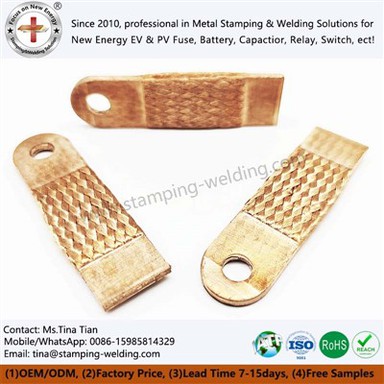
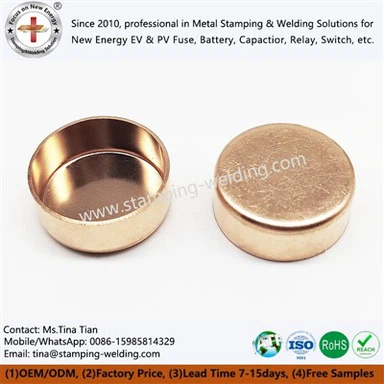
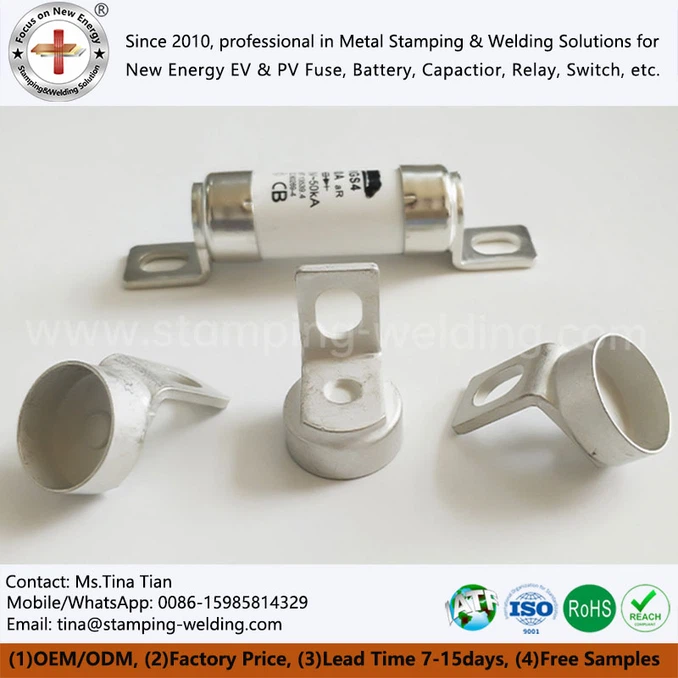
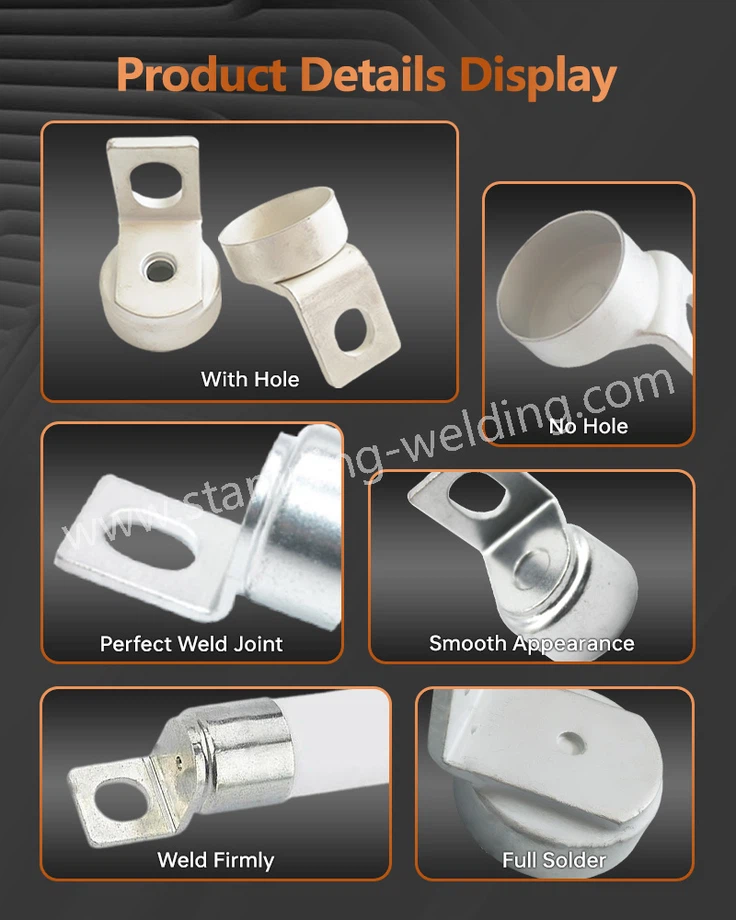
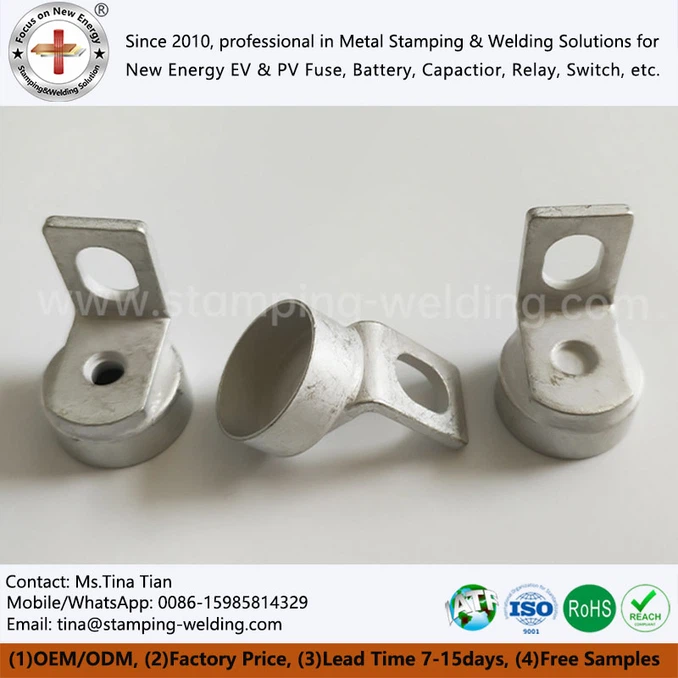
From a structural design perspective, this type of fuse typically features auxiliary contacts, auxiliary fuses, and a dedicated arc-extinguishing cover alongside the main contacts. The compatibility of the Fuse Contact Knife Cap with related connecting components directly affects the smoothness of the arc-extinguishing process. Simultaneously, the precise fit between the copper end caps and the fuse contact provides a fundamental guarantee for stable current transfer and orderly arc guidance. Furthermore, the application of the Fuse Cap and Contact High Temperature Soldering process further enhances the reliability of component connections, ensuring that problems such as loose contact do not occur during arc extinguishing.
Segmentation Logic
The disconnection and arc extinguishing process follows a strict operational logic. When maintenance personnel use the insulated operating rod to disconnect the circuit under load, the moving contact first separates from the main stationary contact. At this time, the current in the circuit will quickly transfer to the auxiliary contact to continue flowing, effectively preventing the main contact from being burned out due to an electric arc generated by direct disconnection. As the disconnection action continues, the moving contact drives the auxiliary contact to gradually open, and the circuit is truly disconnected at this moment. A high-temperature and high-pressure electric arc will be generated instantaneously in the contact gap, which is also the key point in the arc extinguishing process.
Arc-extinguishing core
To achieve rapid arc extinguishing, the generated arc is precisely guided into a side arc-extinguishing shroud or dedicated arc-extinguishing tube. The high temperature of the arc causes the gas-generating material lining the arc-extinguishing shroud to decompose, releasing a large amount of high-pressure gas. This gas creates a strong blowing force, rapidly elongating the arc and reducing its temperature through longitudinal or transverse blowing, ultimately forcing the arc to extinguish completely when the current crosses zero. During this process, the auxiliary fuse plays a crucial supporting role, not only providing backup safety during circuit breaking but also, under specific load conditions, accelerating gas generation through its own melting to further assist in arc extinguishing and improve arc-extinguishing efficiency.
Final state
Once the arc is completely extinguished, the fuse tube is released by the locking mechanism and falls under its own weight, creating a clearly visible physical disconnection gap in the air. This ensures complete safety isolation between the equipment and the line, providing reliable safety assurance for power grid operation and maintenance. Currently, as power systems upgrade towards higher voltage and intelligence, fuse arc extinguishing technology is also continuously being optimized. Improvements in the manufacturing processes of related components, such as the End Cap Contact, are driving the arc extinguishing performance of fuses towards greater efficiency and safety, building a solid defense for the stable operation of the power system.
Contact Us
If you would like to learn more about End Cap Contact, arc extinguishing components, and related technical details, please feel free to contact us for consultation and discussion.