Analysis of the causes of oxidation and rust on the surface of Copper Pressed Stamped Parts and corresponding engineering solutions
May 03, 2026
In the hardware manufacturing industry, oxidation and rust on the surface of Copper Pressed Stamped Parts is a common problem affecting product performance and service life. It is essentially caused by electrochemical or chemical reactions between the metal material and oxygen, moisture, and corrosive substances in the environment. For copper-based stamped parts (such as copper stamping parts) and precision copper components, understanding the corrosion mechanism and taking systematic preventative and treatment measures is of great significance for ensuring the reliability of electrical connections.
The main causes of oxidation and rust
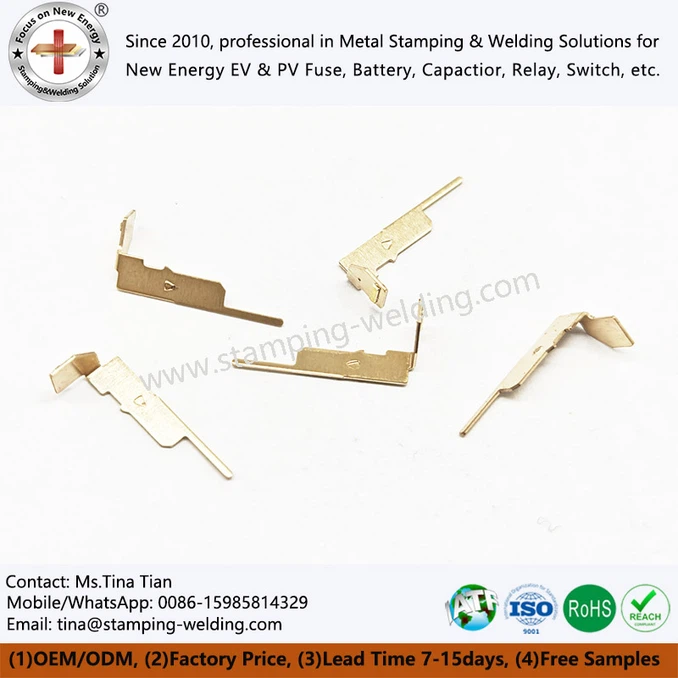
Environmental factors are the primary cause of corrosion. When stored in a damp, dark environment for extended periods, moisture in the air forms a continuous water film on the metal surface. Simultaneously, reactive gases such as oxygen, carbon dioxide, and sulfides combine with this water film, accelerating oxide formation. For Precision Copper Stamping Parts, although copper itself has better oxidation resistance than ordinary carbon steel, verdigris (basic copper carbonate) or sulfide films can still form in high humidity or sulfur-containing atmospheres, leading to increased contact resistance.
Residues from the manufacturing process are also a significant contributing factor. If lubricants and cutting fluids used in the stamping process are not thoroughly rinsed, some acidic or chlorine-containing additives can corrode the metal surface over a long period. If pickling and passivation are not adequately neutralized or rinsed, residual acid can cause localized corrosion in crevices. Furthermore, mechanical damage to the original protective layer (such as tin or silver plating) or workers leaving salty sweat after hand contact can also cause localized oxidation in a short time.
The inherent properties of the material itself and the packaging and storage methods are also crucial factors. Carbon steel and cast iron are more prone to rust than copper and aluminum; even with custom copper stamping, corrosion resistance will decrease if the copper is not pure enough or contains impurities. Improper packaging materials (such as halogenated plastic films) can trap moisture, accelerating rust formation.
Methods for treating surface rust
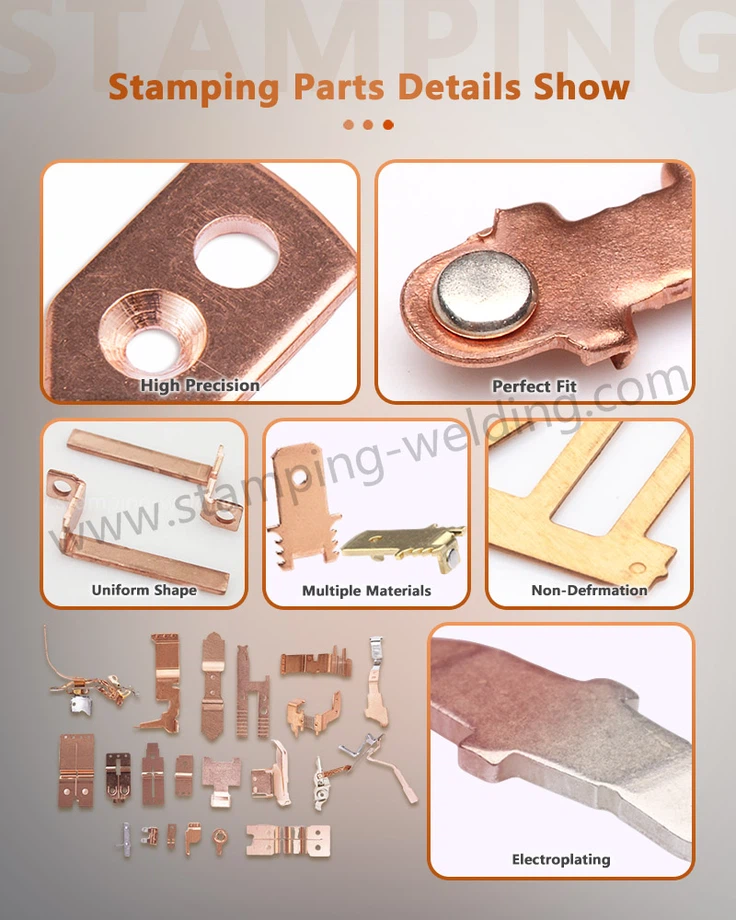
The treatment principle is "rust removal first, then protection." Physical rust removal methods include polishing, abrasion, sandblasting, or vibratory grinding, which can quickly remove surface oxidation products and are suitable for batch production of parts such as copper-pressed components. Chemical rust removal uses dilute hydrochloric acid, sulfuric acid, or specialized rust removers for pickling, which is particularly effective for deeper rust. However, after pickling, it is essential to immediately neutralize with an alkaline solution and rinse thoroughly to prevent residual acid from continuing to corrode.
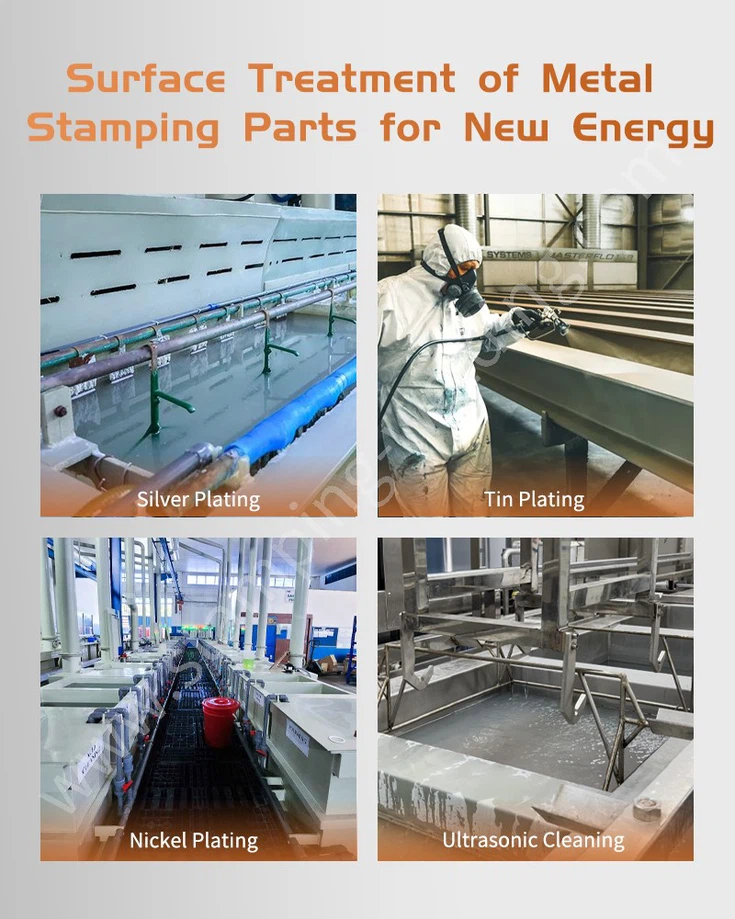
Protective treatment must be implemented immediately after rust removal. Applying industrial rust-preventive oil is the simplest short-term protection method; long-term protection can be achieved through electroplating (such as zinc plating, nickel plating, tin plating), hot-dip galvanizing, or chemical conversion coatings (phosphating, passivation). For copper stampings, surface passivation with antioxidants or coating with an organic protective film can effectively inhibit the formation of verdigris.
Engineering prevention recommendations
From a process management perspective, Copper Pressed Stamped Parts should be cleaned, dried, and coated with an anti-rust layer as soon as possible after processing. The storage environment should be kept cool and dry, with relative humidity controlled below 50%. Production and inspection personnel must wear clean gloves and are strictly prohibited from touching the product surface with bare hands. Simultaneously, the selection of lubricants should be optimized, prioritizing easily cleanable stamping oils that are free of halogens or acidic components, and the concentration and cleanliness of the cleaning tank solution should be tested regularly. For precision parts such as copper-stamped components, it is recommended to add a desiccant or use vapor phase corrosion inhibitors (VCI) in the final packaging to effectively control the risk of rust during transportation and storage.
summary
In summary, preventing oxidation and rust on the surface of stamped parts requires a multi-dimensional approach, encompassing environmental control, process specifications, material selection, and post-treatment. Especially for copper stamped parts used for electrical connections, strict process control and scientific rust prevention methods are fundamental to ensuring long-term product reliability.
Contact Us
If you encounter any technical difficulties in rust prevention or surface protection processes for Copper Pressed Stamped Parts, please feel free to contact us for professional solutions.