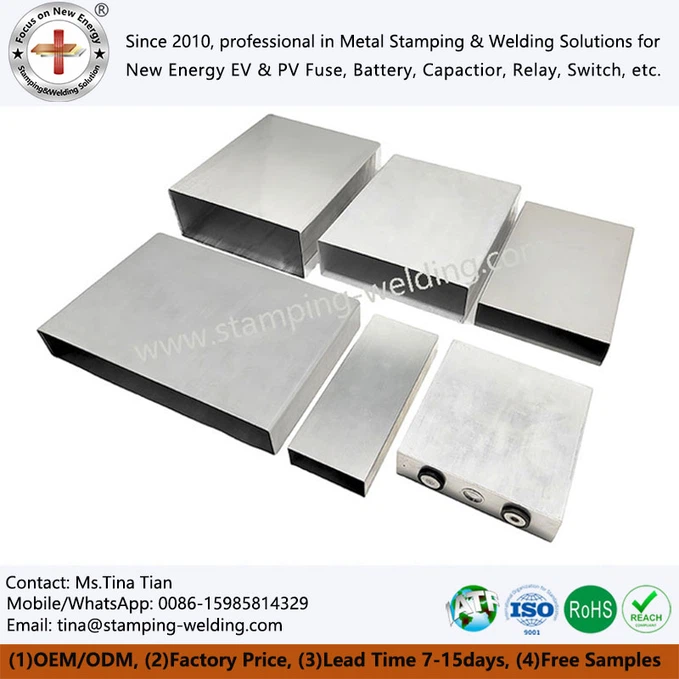
Analysis of the heat dissipation advantages of Aluminum Battery Casing: based on the engineering mechanism of high thermal conductivity, surface contact and liquid cooling synergy
May 03, 2026
In the field of power batteries, thermal management is a core factor determining battery performance, lifespan, and safety. Lithium-ion batteries, especially high-energy-density power batteries, require their operating temperature to be strictly controlled within an optimal range. Currently, Aluminum Battery Casing, due to their superior heat dissipation performance, have become the mainstream packaging solution for large power batteries in new energy vehicles. This heat dissipation advantage is not due to a single factor, but rather stems from the synergistic effect of the physical properties of aluminum, structural design, and the integration of a thermal management system.
Physical properties: The natural advantage of high thermal conductivity
The foundation of heat dissipation efficiency lies in the materials themselves. Aluminum boasts a thermal conductivity of approximately 237 W/(m·K), far exceeding that of the aluminum-plastic film used in pouch batteries. This means that heat generated inside the battery can be conducted to the external environment through the casing at an extremely rapid rate. In contrast, while steel is also a metal, its thermal conductivity is significantly lower than that of aluminum. Therefore, when employing solutions such as aluminum shells for lithium ferro phosphate cells or aluminum LTO Prismatic Battery Cells for EVs, aluminum shells can achieve a lighter weight while maintaining the same heat dissipation efficiency, which is crucial for electric vehicles that prioritize energy density.
Structural characteristics: the advantage of low thermal resistance due to surface contact
The rigid, flat surface of the square aluminum casing allows for close surface contact with thermal management components such as cooling plates and heat sinks during battery assembly. Compared to the point contact of cylindrical batteries or the complex contact surfaces required for pouch batteries, this surface contact method naturally offers a lower thermal resistance advantage. Heat transfer from the cell to the liquid cooling plate or heat sink encounters less resistance and follows a shorter path. For Prismatic Aluminum Case Power Batteries, their high rigidity ensures that the encapsulation structure is not easily deformed under temperature changes, thus maintaining good thermal conductivity contact over a long period-a feature difficult for pouch batteries to match.
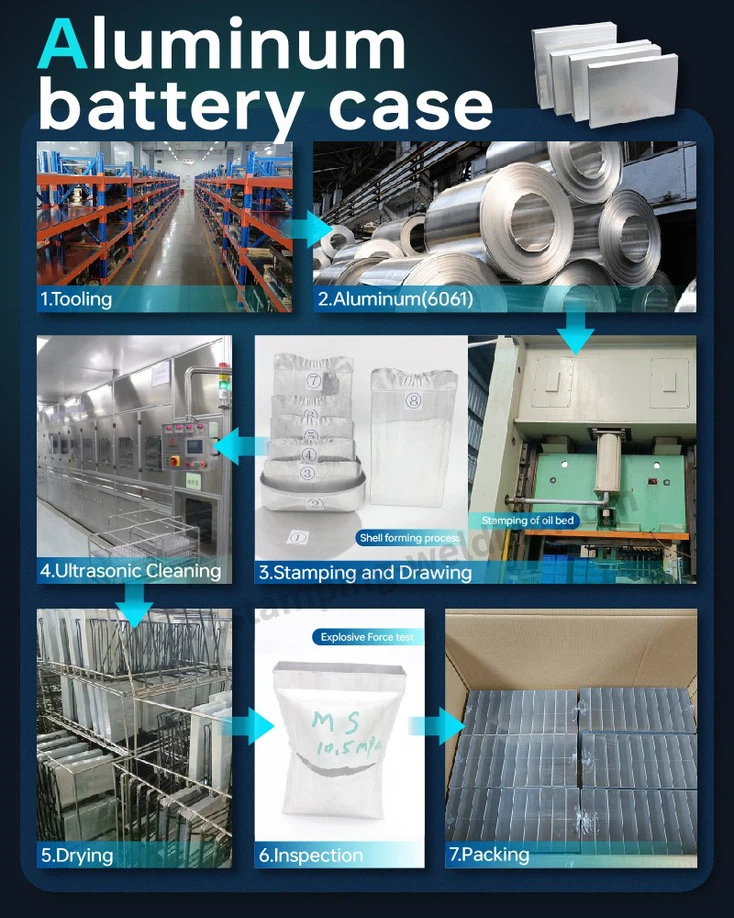
Thermal Management System Integration: Adapting to High-Efficiency Liquid Cooling Solutions
The square aluminum shell is particularly suitable for the bottom liquid cooling systems widely used in modern electric vehicles. Heat can be directly transferred through the aluminum shell to the attached aluminum cooling plate, and then efficiently carried away by the flowing coolant. This design creates an extremely short heat transfer path: "cell → aluminum shell → thermally conductive interface material → cooling system". In contrast, the heat transfer path for pouch cells is "cell → aluminum-plastic film → insulation material → cooling system," the latter having significantly lower heat dissipation efficiency due to the greater thermal resistance in the intermediate stages. This heat dissipation mechanism is universally applicable to both LiFePo4 Prismatic Battery Aluminum Cells and Lithium Ion Cell Aluminum Shells.
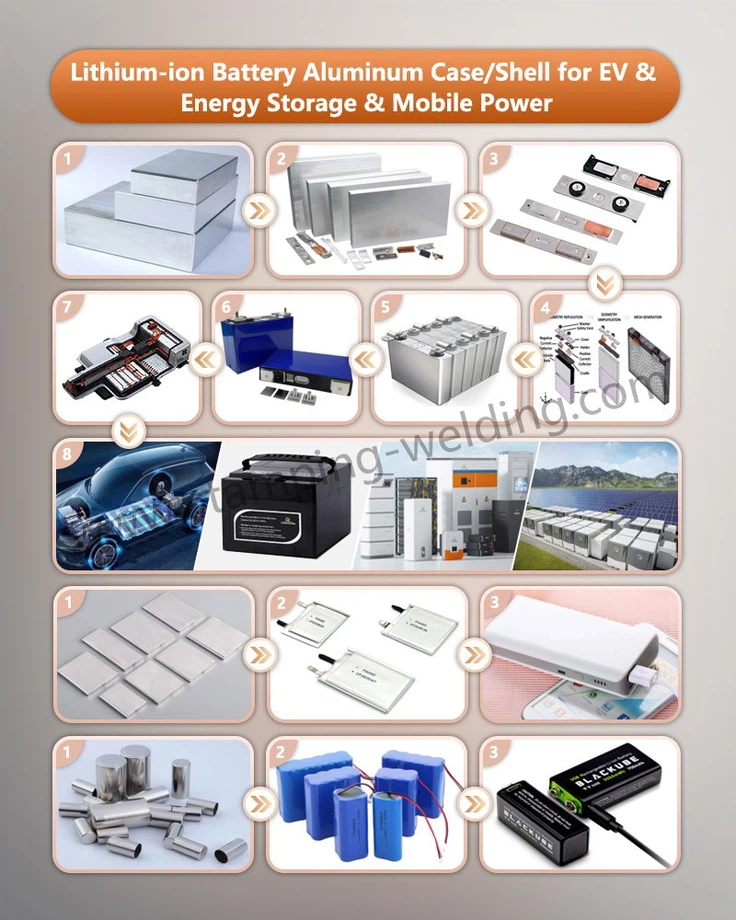
Summary of heat transfer mechanisms
The heat dissipation advantages of Aluminum Battery Casing can be summarized in three core aspects: the high thermal conductivity of aluminum itself, the low thermal resistance structure resulting from rigid surface contact, and its natural compatibility with efficient liquid cooling systems. This combination has made aluminum shells for prismatic and cylindrical battery cases dominant in the power battery field. As battery energy density continues to increase, the requirements for thermal management are becoming increasingly stringent, further highlighting the technological value of square aluminum shell solutions.
Contact Us
If you have any technical questions regarding the heat dissipation design or custom selection of the Aluminum Battery Casing, please feel free to contact us for professional support.