Busbars replacing cables: an inevitable trend in high-power power distribution scenarios
May 03, 2026
As power systems evolve towards higher power density and higher reliability, Busbars are gradually replacing traditional cables and becoming the mainstream choice in power distribution. This shift is not accidental, but rather based on the systemic advantages that bars demonstrate in transmission efficiency, space utilization, installation and maintenance, and structural safety.
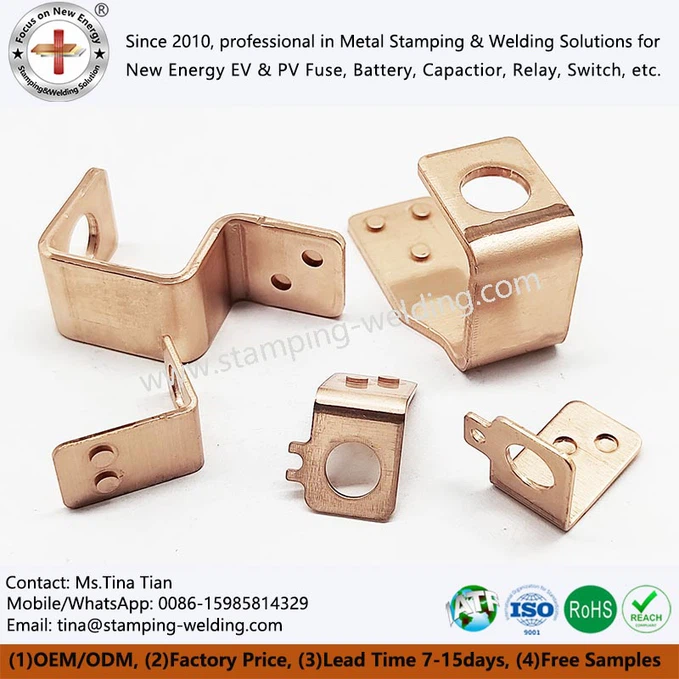
Significant improvement in transmission efficiency and electrical performance
The core advantages of busbars lie primarily in their electrical performance. Their contact surfaces undergo special processing, resulting in a larger contact area compared to traditional cable joints, reducing contact resistance by approximately 40%. This means that under the same current, bars experience lower temperature rise and less energy loss. Simultaneously, due to their larger surface area, bars effectively utilize the skin effect, significantly increasing their current-carrying capacity compared to cables of the same specifications. In high-current scenarios, parallel connection of multiple cables often leads to uneven current distribution due to impedance differences, causing overload in individual cables; however, the symmetrical structure of bars ensures uniform current distribution, greatly improving system stability and safety. This advantage has been fully validated in both Low Voltage Bars used for low-voltage distribution and High Voltage Bars used in high-voltage systems.
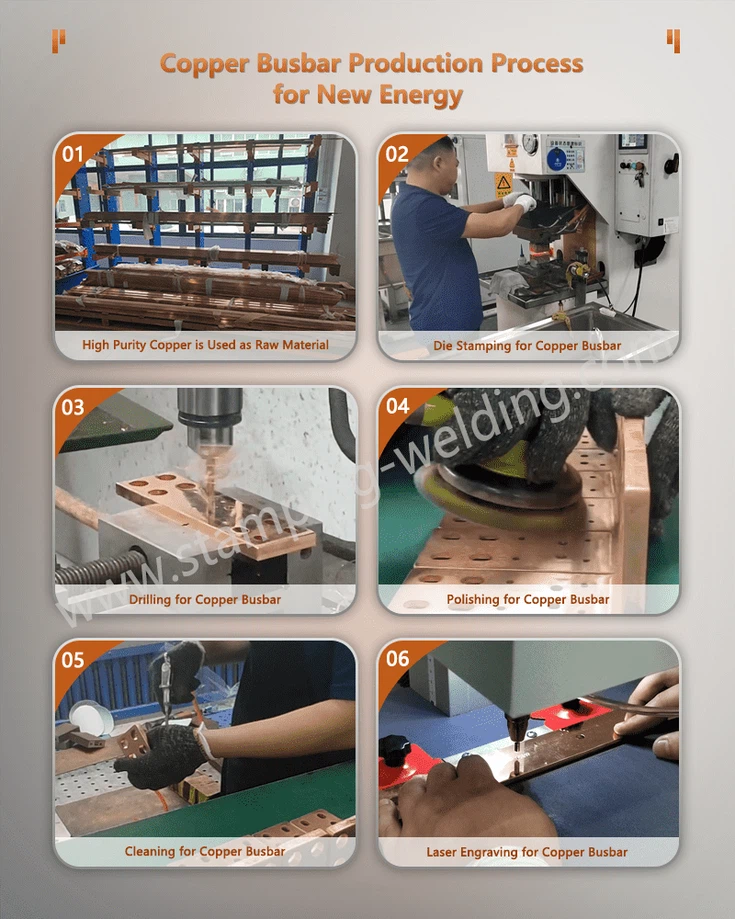
Space utilization and structural compactness
In the limited space of power distribution rooms and equipment rooms, space efficiency is paramount. High-density busbars achieve a highly compact structure by tightly wrapping conductors with high-performance insulation materials, significantly saving space in cable trays and cabinets. Unlike cables, which require larger bending radii and heat dissipation space, bars offer greater flexibility in layout. Custom-designed busbars, in particular, can perfectly fit into compact electrical cabinets, significantly improving space utilization.
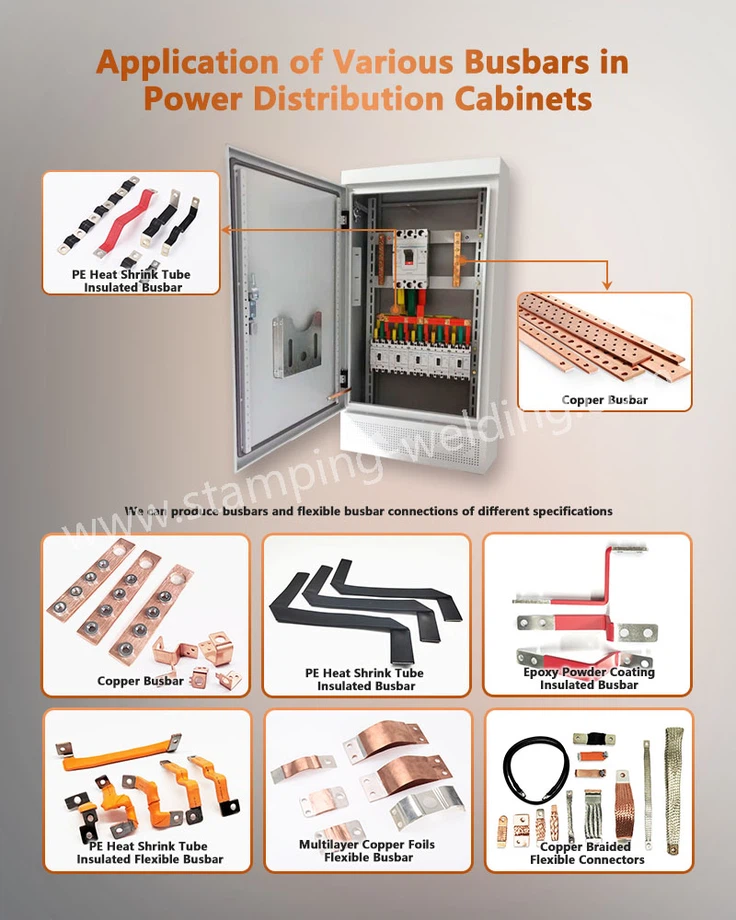
Ease of installation and maintenance
The modular design of busbar systems has revolutionized installation and maintenance. Plug-in busbars support "plug and play," allowing users to add or remove taps as needed based on load requirements, without the need to disconnect power or rewire like with cable branching. This flexibility is particularly advantageous in scenarios requiring frequent adjustments, such as data centers and industrial plants. Furthermore, busbars are suitable for factory prefabrication and automated assembly, reducing on-site construction complexity and error rates. For example, in large projects, professional Copper BusBar manufacturers can provide standardized, high-precision prefabricated products, ensuring installation quality and efficiency.
High safety and long service life
Safety is the bottom line in power system design. Busbars are typically encased in metal, providing excellent heat dissipation, high insulation levels, and robust construction, making them less susceptible to insulation aging or short circuits due to changes in the external environment. In high-current scenarios, bars can withstand strong electrodynamic stresses, resulting in a failure rate far lower than that of cables. Their service life typically exceeds 50 years, significantly longer than traditional cables. For Distribution BusBar systems that prioritize long-term stable operation, this characteristic translates to lower maintenance costs and a higher return on investment.
summary
In transformers, switchgear, new energy converters, and various high-current industrial equipment, busbars have become a highly efficient power transmission option to replace traditional cables due to their four core characteristics: high current carrying capacity, small footprint, easy installation, and enhanced safety. As power systems continue to demand higher reliability and efficiency, the application scope of bars will further expand, making them a cornerstone of modern power distribution infrastructure.
Contact Us
For in-depth information on Busbars selection and customization solutions in high-power power distribution, please feel free to contact us.