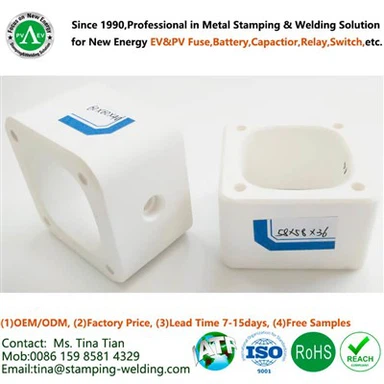
Analysis of the Upgrade Trend of Powder Impregnation Process for Laminated Busbars: Evolution of Insulation Technology for High-Reliability, High-Current Applications
Jun 18, 2026
Against the backdrop of continuous upgrades in industrial automation and new energy systems, high-current conductive structures are evolving towards higher integration and higher reliability, with laminated busbars, represented by the Laminated BusBar, becoming a key fundamental component. Compared to traditional busbar structures, the laminated design, through the composite of multiple layers of copper foil and insulating dielectric, achieves low inductance, high heat dissipation, and a compact layout, making it widely used in high-power-density systems. Meanwhile, the insulation powder impregnation process, as a core protection method, directly impacts the long-term operational reliability of the system due to its uniformity and stability.
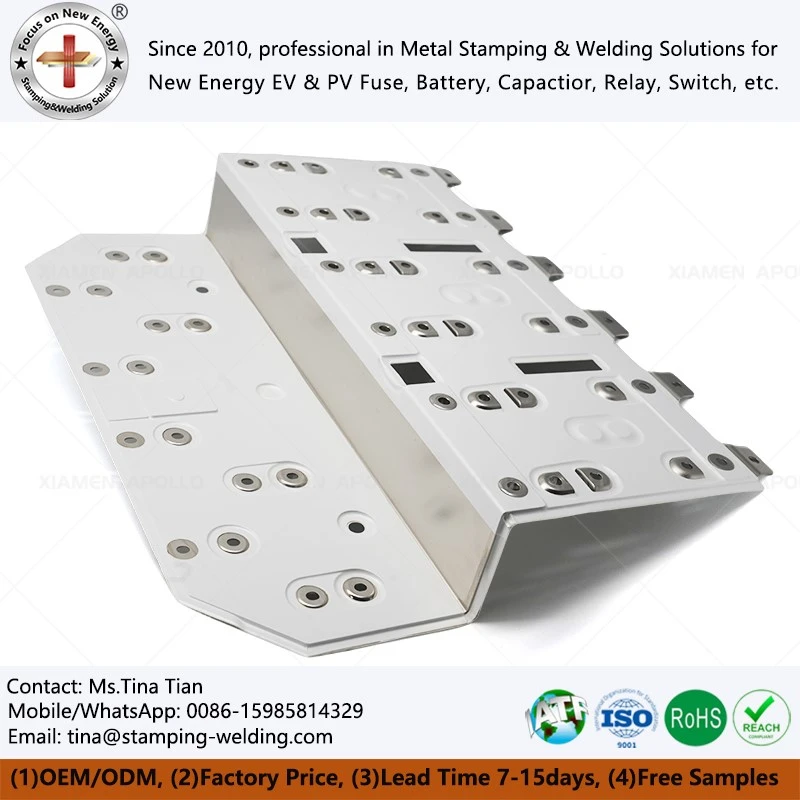
From a structural perspective, modern power systems have evolved from single conductors to modular designs, making Laminated BusBars particularly advantageous in complex electromagnetic environments. By optimizing interlayer insulation and conductor arrangement, parasitic inductance and eddy current losses can be effectively reduced, resulting in more stable performance in high-frequency, high-speed switching scenarios. In some high-end applications, such as the Laminated Copper BusBar structure, conductivity efficiency and thermal management capabilities are further improved, making it an important choice for high-power equipment.
At the application level, laminated busbars have covered multiple high-reliability industry scenarios. For example, in power equipment systems, the Laminated BusBar for Mersen design is used in high-standard electrical protection systems. In rail transit and industrial control, systems are increasingly adopting Laminated Flexible BusBars to improve vibration resistance and assembly adaptability.
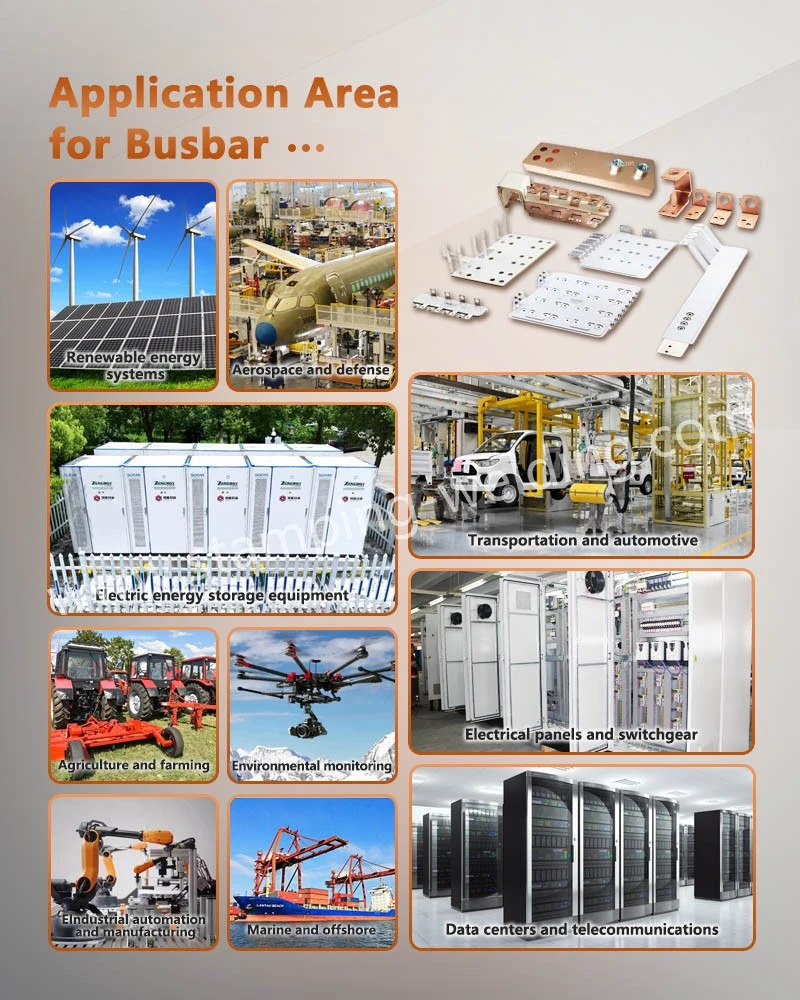
Meanwhile, in communication and power distribution systems, the Laminated BusBar for Telecom structure meets the requirements of high-density power supply and low-noise transmission.
With the rapid development of new energy and electric drive technologies, power modules are placing higher demands on busbars. Taking electric drive systems as an example, Motor Drive Laminated BusBar for Power Electronics and Laminated BusBar for IGBT-based Motor Drive have become mainstream topologies to support high-frequency switching and high-current surge conditions. In energy storage and inverter fields, Capacitor Laminated BusBar for IGBT-based Motor Drive and Laminated BusBar for High Current Inverter structures are widely used to improve system transient response and stability.
In higher power density applications, busbar designs are evolving towards specialization. For example, Laminated Bus Bars for High Current Circuit Board IGBTs are used in highly integrated power board-level systems, while Laminated Bus Bars for Spacecraft Power Inverters are designed for extreme environmental conditions, emphasizing both lightweight design and high reliability. Meanwhile, in industrial heating, Laminated Bus Bars for High Frequency Welding Power IGBTs support high-frequency, high-current output, ensuring stable energy transmission.
Besides new energy and industrial power supplies, rail transportation and power equipment are also key application areas. BusBars for Electric Locomotives are used for core conductive connections in traction power supply systems, while BusBars for Power Electronics cover the interconnection needs of various power electronic modules. Regarding insulation systems, Varnished Insulated Busbars (VIBs) improve environmental resistance through coated insulation systems, becoming an important technology for medium- and high-voltage systems.
In power distribution systems, Bus Bar Solutions for Electrical Power Distribution provides modular busbar solutions for efficient layout of complex power distribution structures. Meanwhile, Bus Bar for Power Electronics Bunding Solutions and Bus Bar Customized for Electrical Protection Solutions demonstrate a trend towards system customization, meeting the electrical protection and integration needs of different devices through structural optimization.
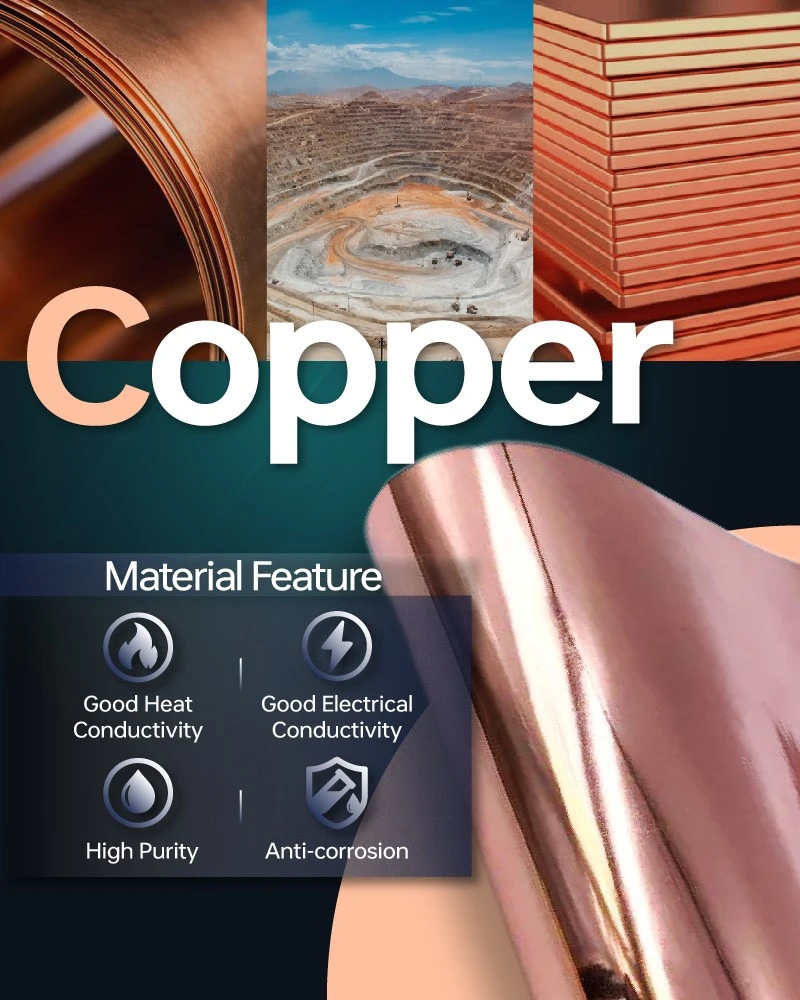
Regarding material systems, copper-based conductors remain the mainstream choice. Laminated Copper Bars and Copper Bus Bars for Alternative Energy are widely used in new energy power generation and storage systems, balancing conductivity and cost control. Some high-reliability systems employ multi-layer composite structures, such as Laminated Copper Bus Bars, to improve overall mechanical strength and thermal stability.
In terms of quality control and selection, the performance of laminated busbars is highly dependent on the consistency of manufacturing processes and the stability of the insulation system. The industry is gradually establishing standardized evaluation systems. Regarding the manufacturing and application of laminated structures, high-power applications such as Laminated Bus Bars for High Current Inverters place higher demands on process precision, and the overall technology system of Laminated Bus Bars continues to evolve towards higher reliability.
contact us