Analysis of the Evolution of Power Battery Thermal Runaway Safety Technology and System-Level Protection Path
Jun 18, 2026
With the continued popularization of new energy vehicles, the safety of power battery systems has become a core issue in the industry's technological evolution. Thermal runaway, as a major source of battery failure risk, has long constrained the safety boundaries of the entire vehicle due to its chain-like diffusion effect.
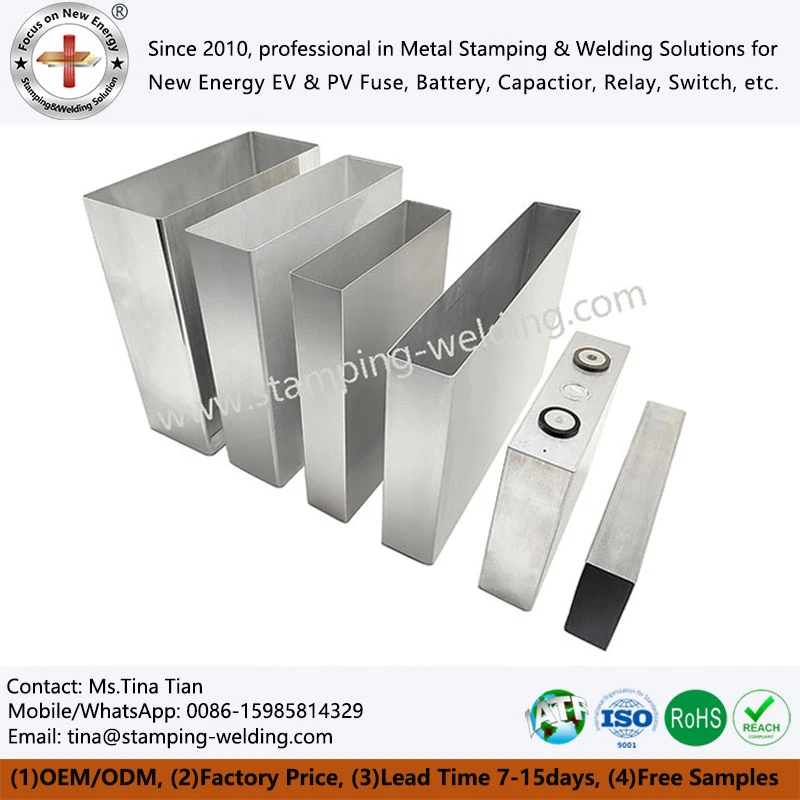
Currently, the industry generally focuses on how to achieve cell failure isolation and system function preservation under extreme operating conditions, thereby reducing the scope of accident impact and extending the effective response time window. In different application scenarios, such as primary battery systems like LiSoCl2 Battery Case and MnO2 Battery Case, and high-energy-density packaging structures like Polymer Lithium Battery Case, higher requirements are placed on thermal safety.
At the power system level, Lithium Ion Battery Packs and Lithium-ion Battery Packs, as mainstream energy storage units, have densely packed internal cells. Once thermal runaway occurs, heat and gas propagate extremely rapidly. To reduce risk, the industry is gradually introducing system-level thermal diffusion blocking approaches and strengthening thermal stability design in LiFePO4 Battery Pack and LiFePO4 Battery Pack systems. Meanwhile, different packaging structures, such as Aluminum Prismatic Casing and Customized Prismatic Battery Cell Casings, have also improved thermal isolation capabilities through structural optimization.
From a vehicle application perspective, battery systems now cover various scenarios, including lightweight mobility vehicles such as Lithium-ion Electric Bike Battery Packs and Lithium-ion Electric Bike Battery Packs, and have expanded to engineered solutions such as Aluminum Case for Electric Bike Battery Packs and Aluminum Case for Li-ion Electric Bike Battery Packs. In the higher energy density field, Aluminum Case for EV Lithium Battery Packs and Aluminum Case for automotive batteries are gradually becoming the mainstream structural choices to meet high safety standards.
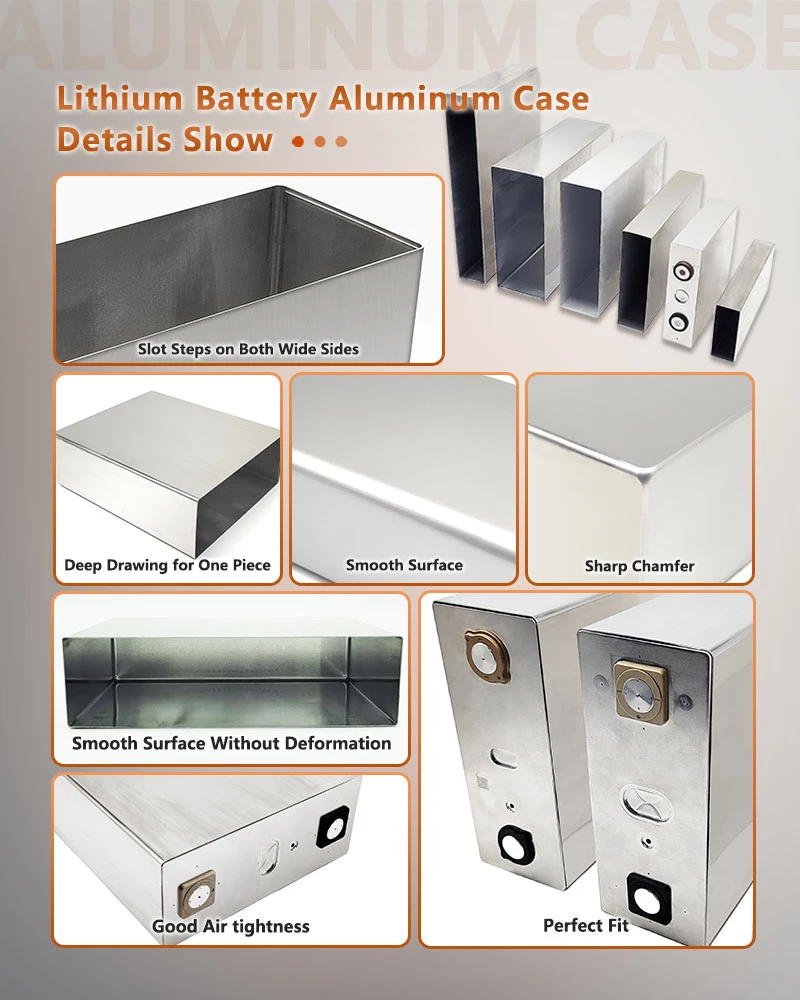
The core of thermal runaway protection lies in blocking the multi-path coupling and propagation mechanism of heat, electricity, and gas.
Battery packs typically employ a collaborative design of high-voltage buses and structural components to ensure that the current loop remains controllable under extreme conditions. For example, the Aluminum Case for Car LiFePO4 Battery Pack and the Aluminum Case for EV Electric Bus LiFePO4 Battery Pack have enhanced electrical isolation and thermal barrier capabilities in their system structure to address safety challenges in high-power operating environments. Meanwhile, in the energy storage system field, the Aluminum Case for Powerwall Lithium Battery Pack is also increasingly adopting multi-layered protective structures to improve system stability.
In terms of materials and structural design, the industry generally uses composite thermal insulation and high-temperature resistant materials to cope with the high-energy impact released instantaneously during thermal runaway of the battery cell. For soft-pack systems, the Aluminum Case for Soft Pack LiFePO4 Rechargeable Battery reduces mechanical stress concentration through structural buffer design, while in standardized energy storage units, the Aluminum Case for 12V LiFePO4 Battery Pack Primatic Type Cell Aluminum Shell improves system consistency and safety redundancy through a modular structure.
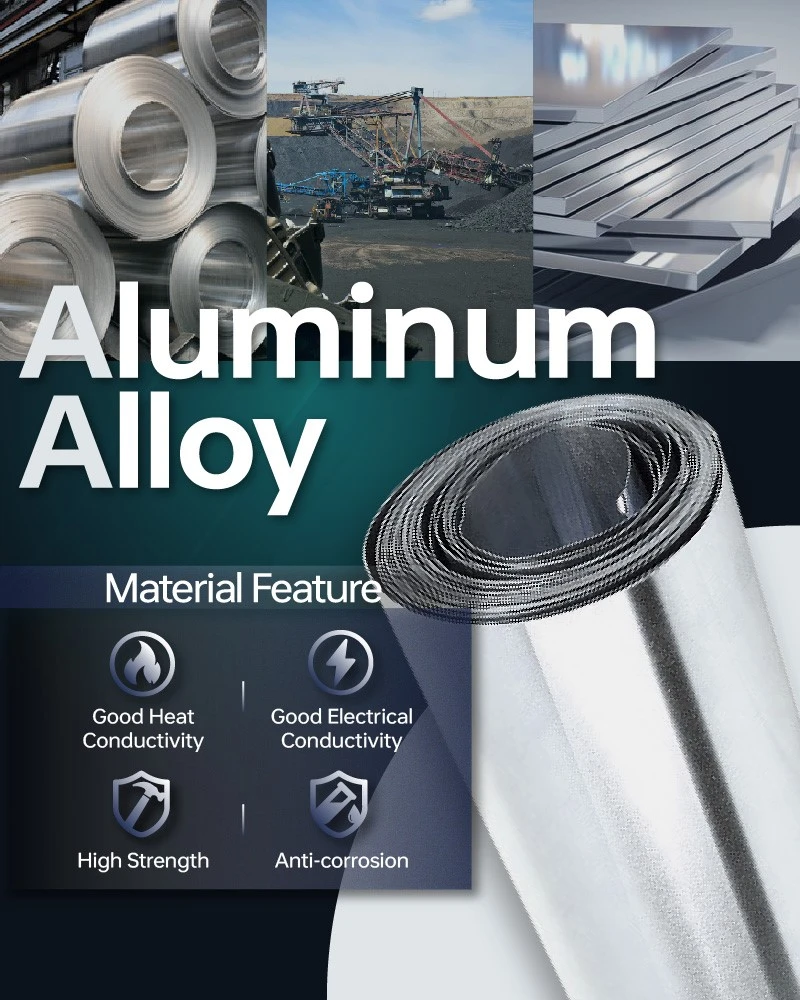
From the perspective of safety mechanism evolution, battery systems are developing from "passive protection" to "active isolation + continuous power supply." In this process, material flame retardancy, structural pressure resistance, and thermal diffusion path control have become key design indicators. Whether for high-rate power applications or energy storage systems, maintaining the stability of the basic electrical circuits is crucial to prevent system-level failures during extreme thermal events.
Overall, power battery safety technology is shifting from single-point protection to system-level collaborative design. Through structural optimization, material upgrades, and electrical path reconfiguration, effective control over the propagation of thermal runaway is achieved. In the future, with continuous upgrades to standards, the aluminum case for EV Lithium Battery Pack will further improve in safety, reliability, and continuous operation, covering more application scenarios and structural forms.
contact us