Application, Development, and Process Analysis of Dip Coating Technology in the Protection of Automotive Parts
Jun 18, 2026
Dip molding is a surface molding and protection process based on plastisol materials, which has gained increasing attention in the automotive parts manufacturing industry in recent years. This technology involves immersing a preheated mold in PVC plastisol, allowing the material to adhere uniformly to the mold surface. After plasticizing, cooling, and demolding, a protective layer with flexible or semi-rigid properties is formed. Compared to traditional processes such as injection molding and electroplating, dip molding offers greater flexibility in the coating and protection of complex structural parts, especially suitable for components requiring insulation, corrosion resistance, and flame retardancy, such as surface protection applications for electrically conductive structural components like battery bus bars.
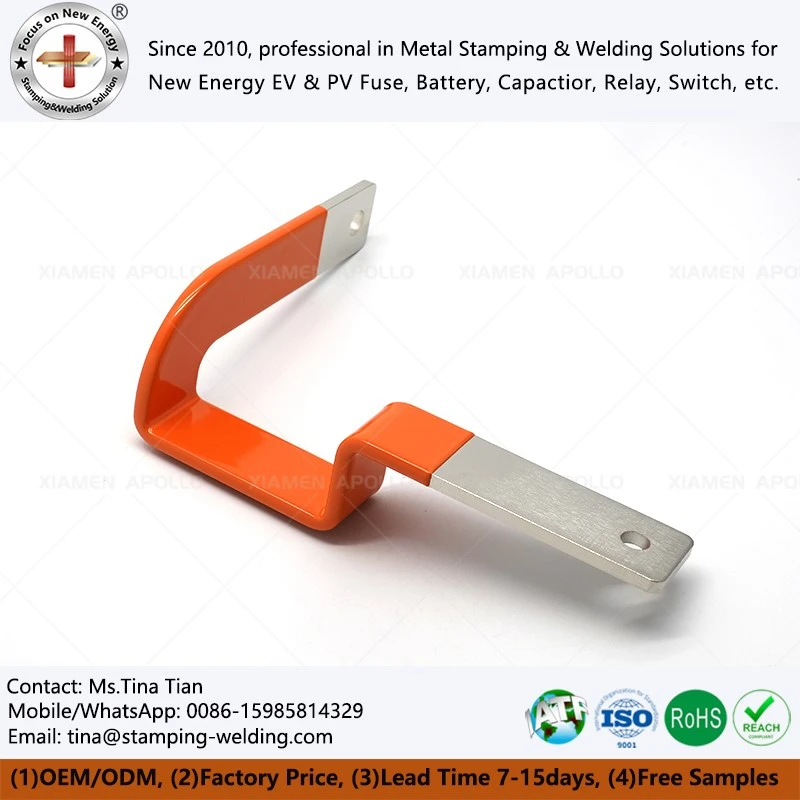
In terms of process flow, dip molding typically includes five key steps: mold preheating, dip coating, plasticizing and curing, cooling, and demolding. The preheating stage improves material adhesion efficiency; the dip coating stage controls the immersion and lifting speeds to ensure coating uniformity; the plasticizing process determines the final mechanical properties and stability of the material; cooling methods can employ air cooling or water cooling to improve production cycle time; and post-demolding processing further ensures product dimensional accuracy and appearance quality. In the field of electrical connections, structures similar to insulated busbars often utilize this process to achieve both outer insulation and safety protection.
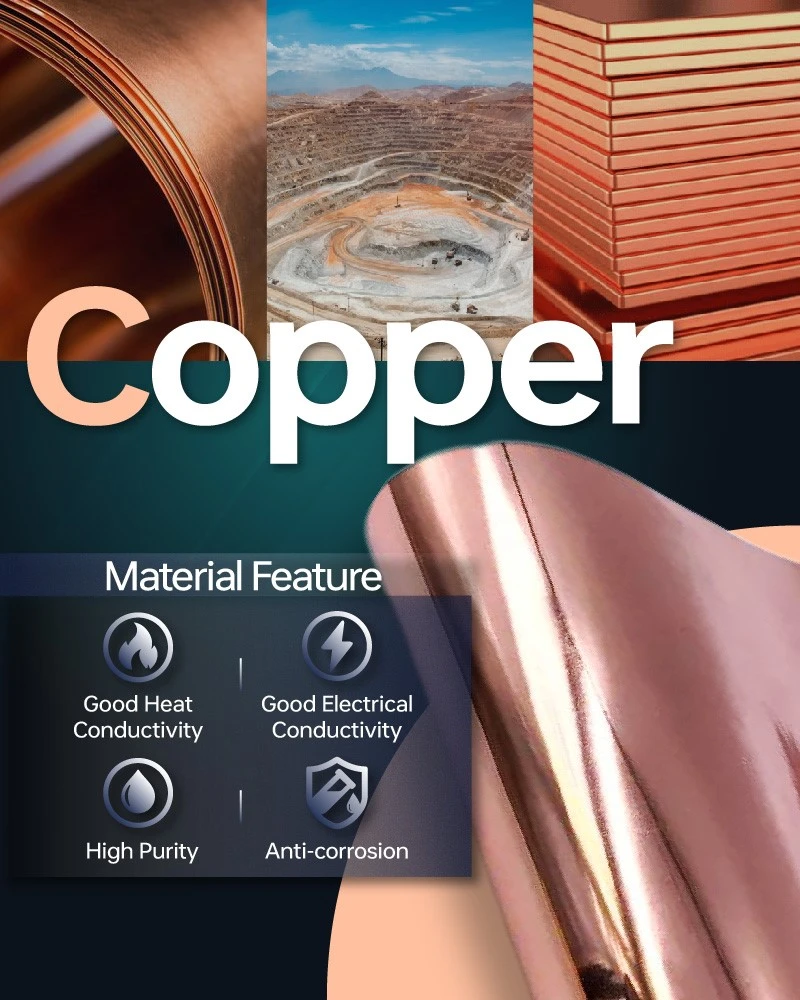
From a material system perspective, current dip-coating materials mainly include latex systems, solvent-based polymer solutions, and PVC plastisol. Among these, PVC systems are widely used in industrial manufacturing due to their cost advantages and processing adaptability. PVC materials form a stable, flexible structure under heating conditions, possessing insulation, flame retardancy, and corrosion resistance, making them suitable for various protection requirements in automotive and power systems. For example, in battery systems, PVC Dipped Laminated Flexible Copper is often used in flexible conductive and insulating composite structure designs to improve system safety and reliability.
In automotive industry applications, dip-coating technology was initially used for wiring harness sheathing and chassis protection, and subsequently expanded to new energy battery systems, electrical connectors, and high-voltage conductive components. With the development of new energy vehicles, the requirements for safety and structural compactness of battery systems are constantly increasing, and dip-coating plays an important role in the protection of battery busbars and connectors. For example, the PVC Dipping Nickel Plated Copper Bus Bar for EV Battery achieves a synergistic improvement in corrosion resistance and insulation performance through a combination of surface coating and dip-coating.
In battery connection systems, insulated flat copper busbars are commonly used in high-current transmission scenarios. Their outer layer is coated with plastic to form a uniform insulating layer, effectively improving system safety and durability. Similarly, PVC-dipping insulated battery busbar connectors achieve complete coverage of the connection ends through a dip-coating process, improving vibration resistance and environmental adaptability. In some high-end electrical designs, composite structures combining tin plating and insulating dip-coating, such as tin-coated insulated flat copper busbars for batteries, are also seen to enhance conductivity stability and oxidation resistance.
From an application perspective, dip-coating technology is not only used in battery systems but also widely applied in electrical connections and support structure design. For example, PVC-coated busbars improve the overall insulation level through an outer PVC coating, while dip-coated busbars structurally enhance the continuity of the protective layer, making them suitable for complex electrical environments. Furthermore, PVC-coated copper busbars exhibit good heat resistance and stability in industrial power distribution systems, meeting the requirements of high-load conditions.
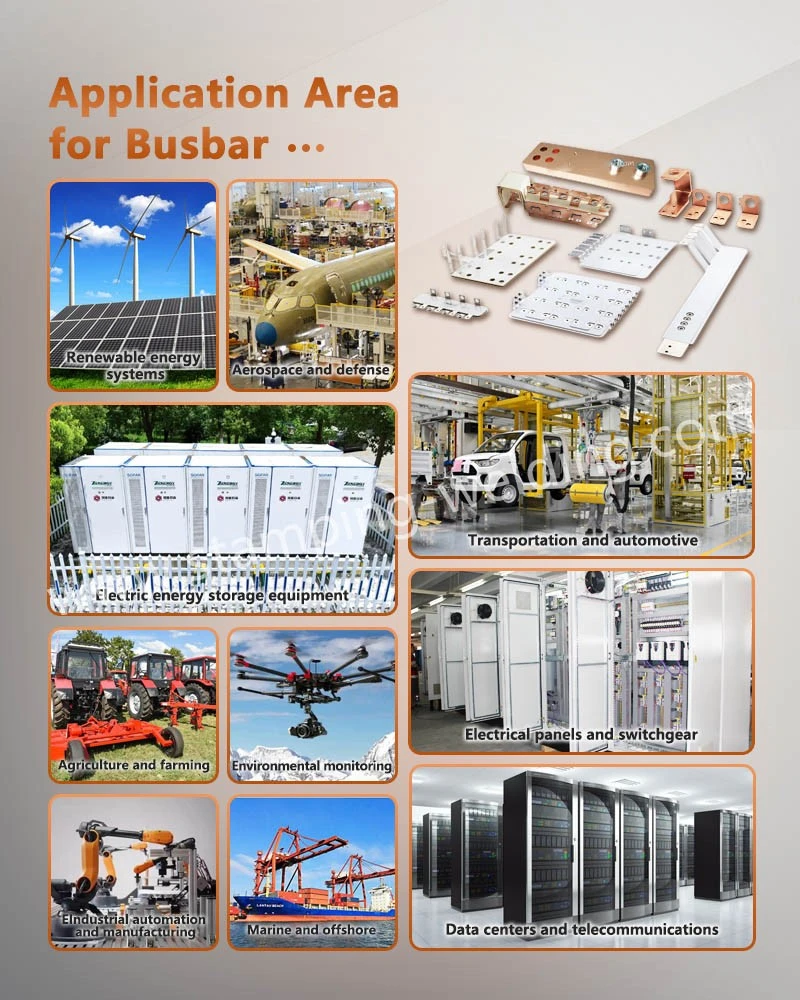
In the high-end customization field, the Custom Solid Power Bus Bar with Insulated Dipping Tube demonstrates the advantages of dip molding technology in structural design freedom, allowing for customized development based on different current ratings and installation spaces. Meanwhile, the PVC Dipping Cover Copper Busbar enhances mechanical protection through its overall encapsulation design, making it suitable for complex assembly environments.
Furthermore, in high-voltage systems of new energy vehicles, structures such as PVC Dipping Insulated Copper Busbar and Plated PVC Dipping Insulated Copper Busbar are gradually becoming mainstream solutions, improving conductivity and insulation safety through coating and dip molding composite processes. For electrical connection systems, these structures can also be used in conjunction with busbar supports to enhance overall mechanical stability.
In summary, dip molding technology, with its low cost, high adaptability, and excellent protective performance, is rapidly expanding its application boundaries in the new energy vehicle and power electronics industries. In the future, with upgrades in material systems and optimization of processes, this technology will play an even more crucial role in high-voltage battery systems, electrical connection modules, and the protection of complex structures.
contact us