Should custom parts or standard parts be chosen for sheet metal stamping parts?
Aug 24, 2026
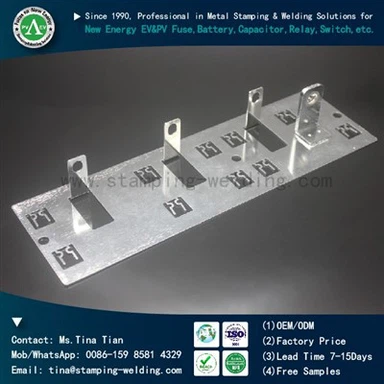
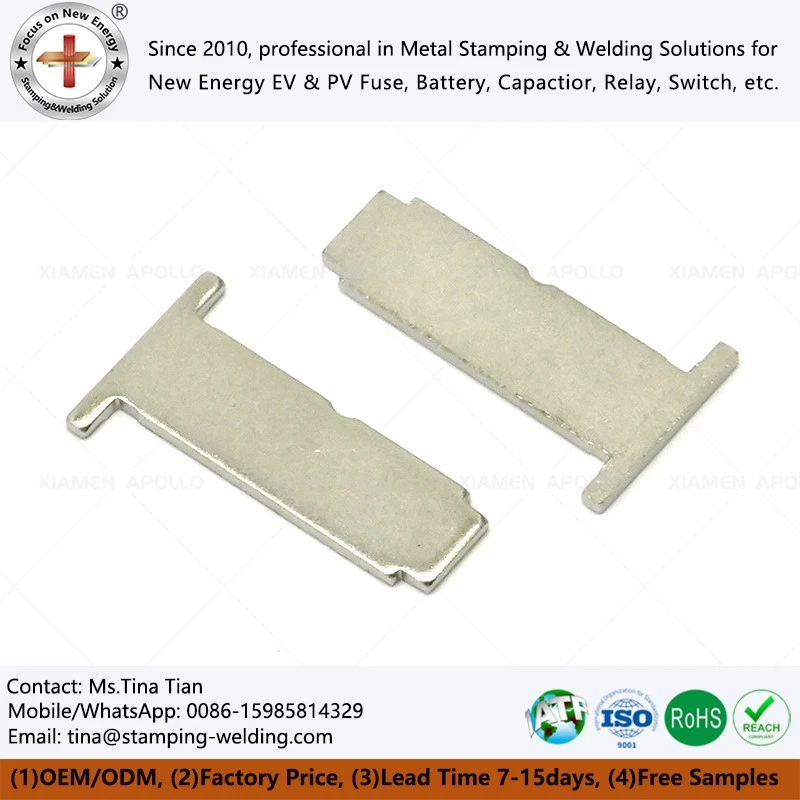
When sourcing sheet metal stamping parts, the choice between standard and custom components depends primarily on product structure, dimensional requirements, material, procurement volume, and tooling investment. Standard parts are suitable for products with simple structures and fixed specifications, whereas custom metal stamped parts are generally more appropriate when there are specific requirements regarding hole placement, bending, materials, tolerances, or surface finishes.
Custom vs. Standard Metal Stamping
The core difference between the two approaches lies not in "which one is better," but in whether they align with actual project requirements.
| Item | Standard Parts | Custom Parts |
| Structure | Fixed specifications | Developed according to drawings |
| Materials | Limited selection | Copper, brass, steel, aluminum, etc. |
| Tolerance | Standard range | Based on product requirements |
| Tooling | Usually no development needed | Requires dedicated tooling |
| Order Volume | Suitable for small batches | More advantageous for medium to large batches |
| Applications | General-purpose structures | Automotive, electrical, industrial equipment |
For parts requiring specific dimensions or mounting interfaces, custom metal stamping can reduce the need for subsequent assembly adjustments; furthermore, if the product structure is already standardized, there is no need to develop additional tooling for simple parts.
When Custom Stamping Is the Better Choice
Sheet metal stamping parts is better suited to meeting product structural requirements when parts feature complex profiles, multiple holes, continuous bends, or special forming specifications.
Suitability can generally be assessed based on the following factors:
- Complex structure: Irregular profiles, multiple holes, bends, and localized forming.
- Precision requirements: Stable control needed for hole spacing, external dimensions, and assembly positioning.
- Material requirements: Specified materials such as copper, brass, stainless steel, aluminum, or carbon steel.
- Surface treatment: Requirements for silver, tin, or nickel plating, etc.
- Production volume: Long product lifecycle and stable annual procurement volume.
For applications involving terminals, connectors, switches, or relays, precision metal stamping is the preferred choice for parts requiring dimensional stability and repeatable production.

Production Volume and Tooling Cost
When selecting a stamping process, the stamping techniques should be considered in conjunction with the procurement quantity.
| Requirement | Common Methods |
| Samples, small batches | Single-stage stamping, laser cutting |
| Medium batches | Multi-stage stamping |
| Large batches | Progressive die stamping |
| Deep-cavity structures | Deep drawing |
For long-term, high-volume orders, although progressive dies require an initial tooling investment, they integrate multiple processes into a continuous production flow; consequently, as production volume increases, the per-unit cost typically becomes more advantageous.
In simple terms:
Low volume → Prioritize comparing standard parts and flexible machining solutions.
Medium-to-high volume → Evaluate dedicated tooling and progressive stamping.
For thick-plate structural components, evaluate progressive die heavy metal stamping based on material strength, equipment tonnage, and tool life.
Need to select the right stamping process for your production volume and part geometry?
Request a Custom Sheet Metal Stamping Assessment
Material Selection and Application
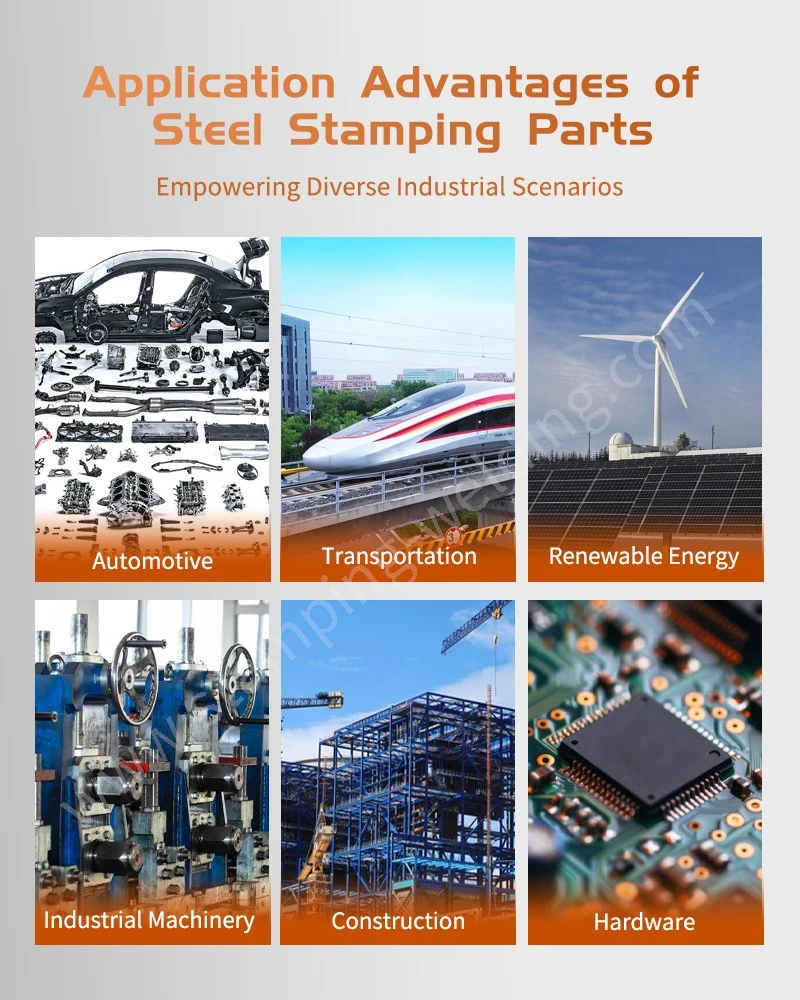
Material choice directly impacts stamping formability, part strength, and procurement costs. For instance, custom carbon steel stampings are suitable for structural components such as brackets and connectors, whereas copper and copper alloys are better suited for terminals and conductive connectors.
When sourcing Chinese steel stampings for automotive structural components, several factors must be comprehensively considered:
- Material strength and thickness;
- Part weight;
- Forming complexity;
- Corrosion resistance requirements;
- Annual procurement volume.
For simple sheet metal parts, stamped blanks can serve as the basic form; for complex structures, however, material utilization rates and forming processes require further evaluation.
How to Make the Right Procurement Decision
Purchasing personnel can apply the following criteria to make their selection:
- Opt for standard parts when:
Dimensions and interfaces are fixed;
There are no special material requirements;
Tolerance requirements are standard;
Procurement volume is low.
- Opt for custom parts when:
The product structure is unique;
Specific materials or surface treatments are required;
There are strict dimensional requirements;
There is a steady demand for volume procurement.
For projects requiring dedicated tooling (such as custom metal stamping using dies), one must consider tooling costs, tool lifespan, unit price, and ongoing maintenance costs, rather than simply comparing initial quotes.
If the project is still in the R&D phase, prototype sheet metal stamping can be used to verify dimensions and assembly fit; for cup-shaped or deep-cavity structures, the feasibility of deep-drawn metal stamping should be further evaluated.
What Should Be Included in a Stamping RFQ?
If a customized solution is selected, it is recommended to provide the following when requesting a price quote:
| Information | content |
| Drawings | 2D / 3D CAD |
| Material | Grade + Thickness |
| Tolerances | Critical dimension requirements |
| Surface Finish | Plating / Coating |
| Quantity | Monthly or annual demand |
| Application | End product or assembly location |
For high-volume steel parts, progressive metal stamping can enhance continuous production efficiency; for precision components such as terminals and connectors, precision metal stamping is the preferred option.
The final procurement decision should be based on a comprehensive comparison of factors-including tooling investment, unit cost, material utilization, development lead time, and lifecycle procurement costs-rather than simply comparing the prices of custom versus standard parts.

Contact Us
If you are evaluating standard or custom sheet metal stamping parts, please provide 2D/3D drawings, material specifications, and estimated purchase volumes; we can assist in evaluating suitable stamping processes and procurement options.