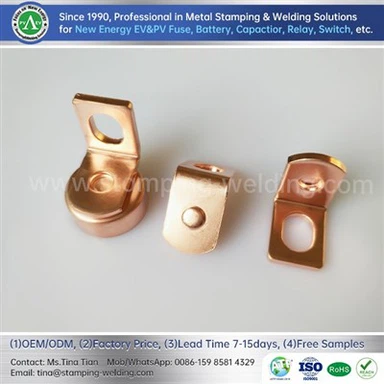
Detailed explanation of insulation spray processing principles, processes, applications and development industry knowledge
May 22, 2026
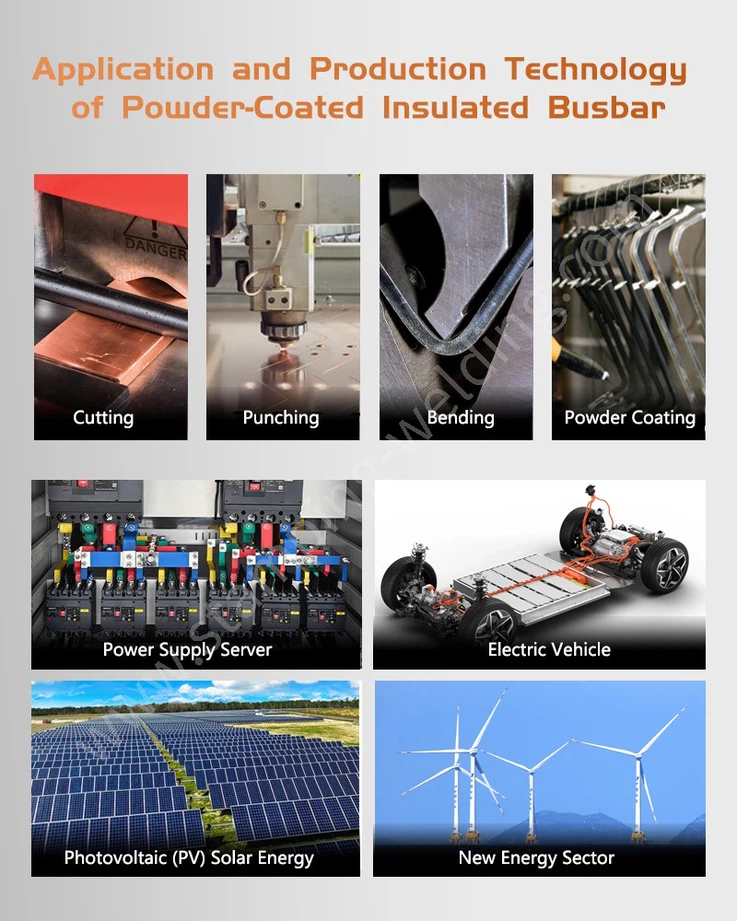
Insulation spray processing is the core professional technology in the field of industrial surface protection. It mainly uses a proprietary spray process to evenly cover various insulating materials on the surface of the workpiece base material, forming a dense and stable insulating protective layer. The core function of this technology is to effectively block current conduction and avoid electrical faults such as leakage and short circuits that occur during the operation of industrial equipment. It can also provide multiple protective effects such as moisture-proof, anti-oxidation, and anti-corrosion for workpieces and comprehensively improve the stability and service life of industrial components. Compared with traditional insulation wrapping, painting with insulating paint and other processes, insulation spraying processing and construction methods are more flexible and can adapt to the processing needs of various special-shaped, large-sized, precision and small workpieces. The process adaptability is extremely strong, and the overall processing cost is controllable. It is currently one of the most widely used technical means in industrial electrical insulation protection. In actual production applications, the insulation protection treatment of various busbar workpieces, such as Busbar Coating can be completed according to the workpiece usage scenario and electrical protection level requirements with appropriate processing technology.
processing technologies
At present, the mainstream insulation spray processing technologies in the industry are mainly divided into three categories: thermal spray, cold spray, and electrostatic spray. The three types of technologies rely on different construction principles to adapt to differentiated industrial production scenarios. Among them, thermal spraying is a traditional insulation spraying technology that is mature and has been used for a long time. During the construction process, the solid insulation material is melted and softened through a high-temperature environment, and then the molten material is atomized with the help of compressed air and evenly sprayed onto the surface of the workpiece. After cooling and solidification, an insulating coating with strong adhesion is formed.
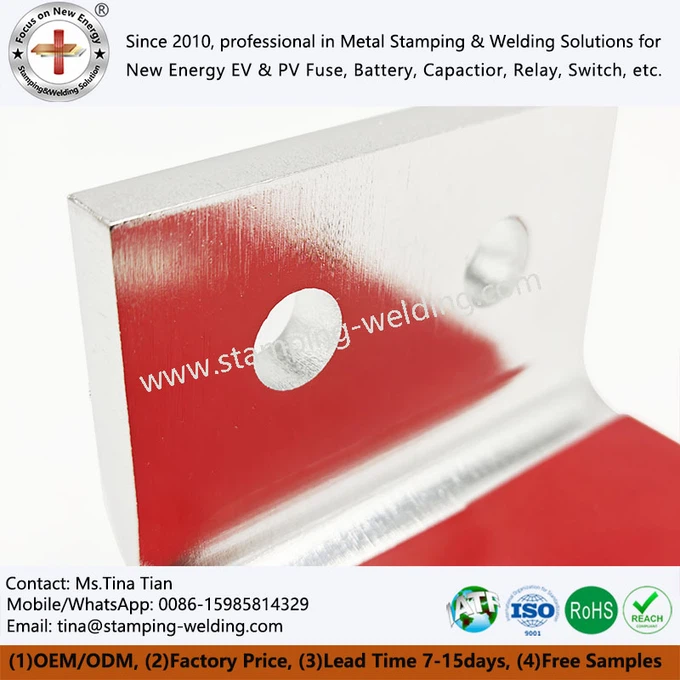
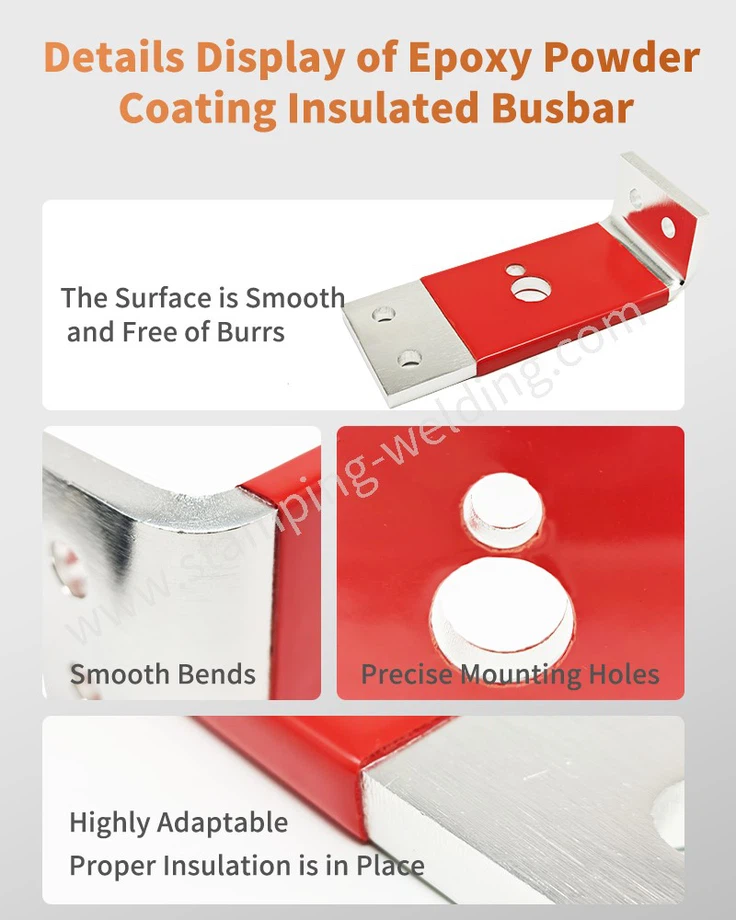
The thickness of the coating formed by this technology can be accurately controlled, with stable insulation performance and strong load-bearing capacity. It is especially suitable for the processing of heavy industrial parts that require high insulation strength and coating wear resistance. During the construction process, workers need to accurately control the spraying temperature and construction distance to avoid excessive temperature causing decomposition and failure of the insulation material, or distance deviation causing uneven coating thickness and insufficient adhesion to ensure that the processing quality of workpieces such as Epoxy Powder Coat Busbar meets the standard.
process flow
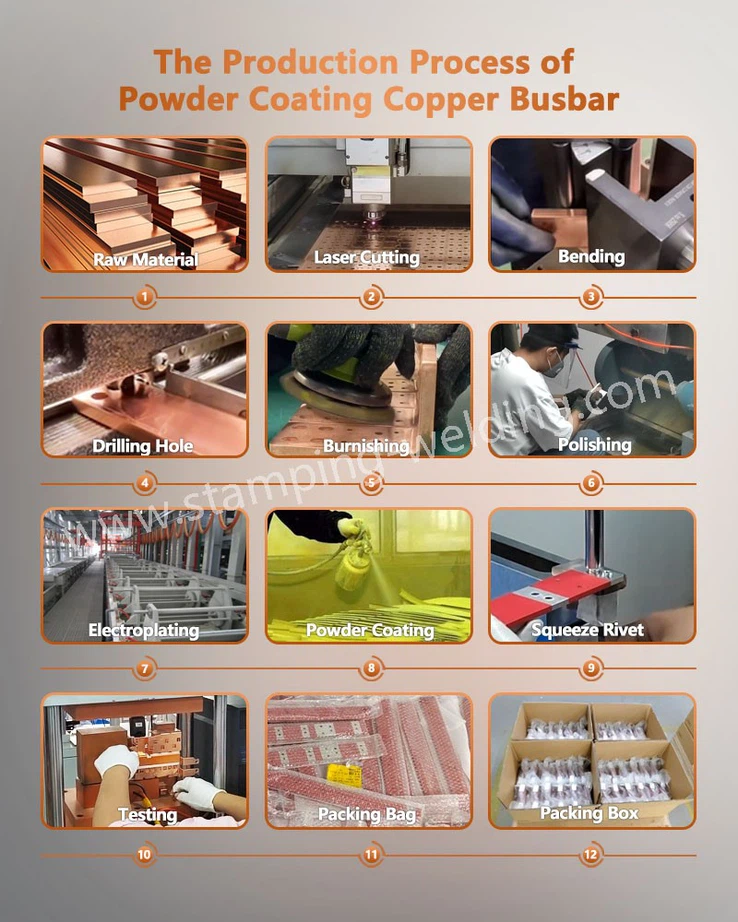
The standardized process flow is the core basis for ensuring the quality and performance of insulation spray coatings. The complete insulation spray processing process includes four core links: surface pretreatment, material preparation, spray construction, and curing treatment. The process control of each link will directly affect the final insulation effect. Surface pretreatment, as the first process, is the key to improving coating adhesion and preventing coating failure. The industry mainly uses mechanical grinding, sandblasting, chemical cleaning and other methods to completely remove oil, oxide layer, dust and other impurities on the surface of the workpiece.
At the same time, it moderately increases the surface roughness of the substrate to provide a good foundation for coating adhesion. For metal substrate workpieces, phosphating and passivation treatments will also be carried out to further strengthen the bonding strength between the coating and the substrate and improve the overall anti-corrosion and insulation performance. The pre-treated workpieces must be strictly kept clean and dry to prevent secondary pollution and lay a solid foundation for subsequent Busbar Insulating Coating Powder spraying construction.
Detailed display
In the actual process of insulation spraying, precise control of process details directly determines the final performance and service life of the coating. Pretreatment micro interface control. The cleanliness and roughness of the substrate surface are the basis for coating adhesion. In the sandblasting process, brown corundum abrasive with a particle size of 40 to 80 mesh is used, driven by 0.5 to 0.7 MPa compressed air, to uniformly impact the surface of the copper bar at an incident angle of 45 degrees, forming a microscopic anchoring structure with a depth of 3 to 8 microns. The structure exhibits a uniform honeycomb morphology, allowing subsequent molten powder to penetrate into the pits and form mechanical interlocking. Immediately after treatment, high-pressure ionized air is used to purge to ensure that there is no residual dust on the surface, and spraying is completed within 4 hours to avoid secondary oxidation. Actual measurements show that the surface contact angle of the copper bar after the above treatment is reduced to less than 30 degrees, and the surface energy is significantly improved, providing an ideal physical bonding basis for the coating.
Powder adsorption behavior in electrostatic spraying. The electrostatic spray gun outputs 60 to 90 kV DC negative high voltage, allowing the epoxy resin powder to carry a charge of 0.5 to 1.5 microcoulombs per gram. Under the dual action of electrostatic field force and air flow, charged powder particles move along the electric field line trajectory and are preferentially deposited at the tips and corners - this is a typical application of the Faraday cage effect. For the right-angled edges of the copper bar and the inner wall of the bolt hole, adjust the spray gun moving speed to 150 to 200 mm per second and use multi-angle re-spraying techniques to ensure that the powder coverage rate in the recessed area is not less than 95%. Real-time monitoring shows that the thickness fluctuation of the uniformly deposited powder layer in the uncured state is controlled within ±5 microns, avoiding sagging and uneven thickness.
contact us
If you are looking for a reliable Busbar Epoxy Coating partner, welcome to contact us, we will provide you with professional technical support and customized insulation processing services.