Analysis of copper nickel plated nut industry knowledge
May 21, 2026
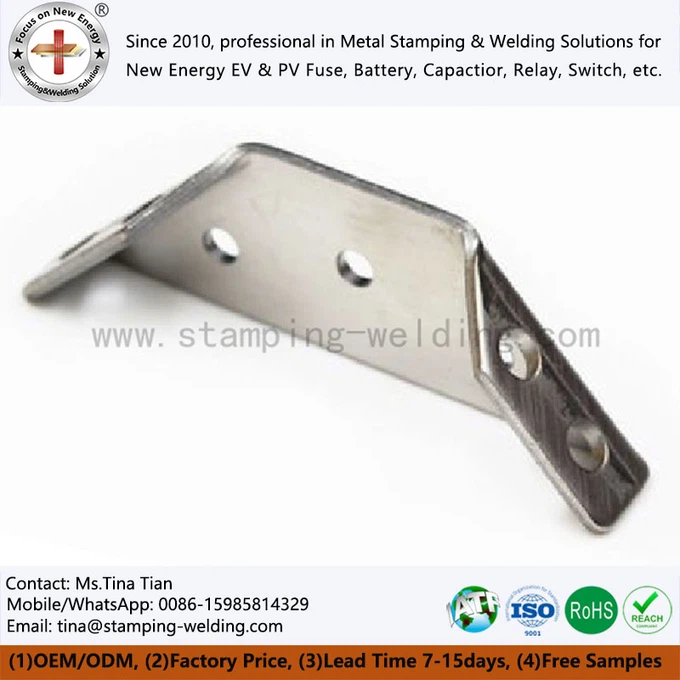
Copper nickel-plated nuts are fasteners that use copper as a base and evenly deposit a nickel metal layer on the surface through an electroplating process. They have specific engineering value in the fields of electronics, electrical and precision manufacturing. As a basic fastener with internal threaded holes, nuts are usually in the shape of a flat hexagonal cylinder, flat square cylinder, or flat cylinder. They are used with bolts or studs to fasten and connect two parts with through holes. The design concept of copper nickel-plated nuts is to make full use of the dual characteristics of the internal copper material and the surface nickel layer. Copper itself has good electrical and thermal conductivity, is soft and has good ductility. Pure copper nuts have application value in electrical connection points with high conductivity requirements. However, the hardness of pure copper is relatively low, which may not be ideal in fastening situations with high mechanical strength. Copper is easily oxidized in the air to form patina, which affects the appearance and conductive properties. The electroplating nickel process reduces nickel ions on the surface of the copper nut under energized conditions to form a uniform and dense nickel plating layer, thereby significantly improving the surface properties of the nut. In the selection of conductor materials, nickel-plated copper nuts have similar surface treatment logic to nickel-plated copper bar products such as Nickel Plated Copper Flat Bus Bar, Flat Bar Red Pure Copper Nickel Plating, that is, on the premise of ensuring high conductivity of the copper core, the wear resistance, corrosion resistance and contact stability are improved through nickel plating.
Material advantages
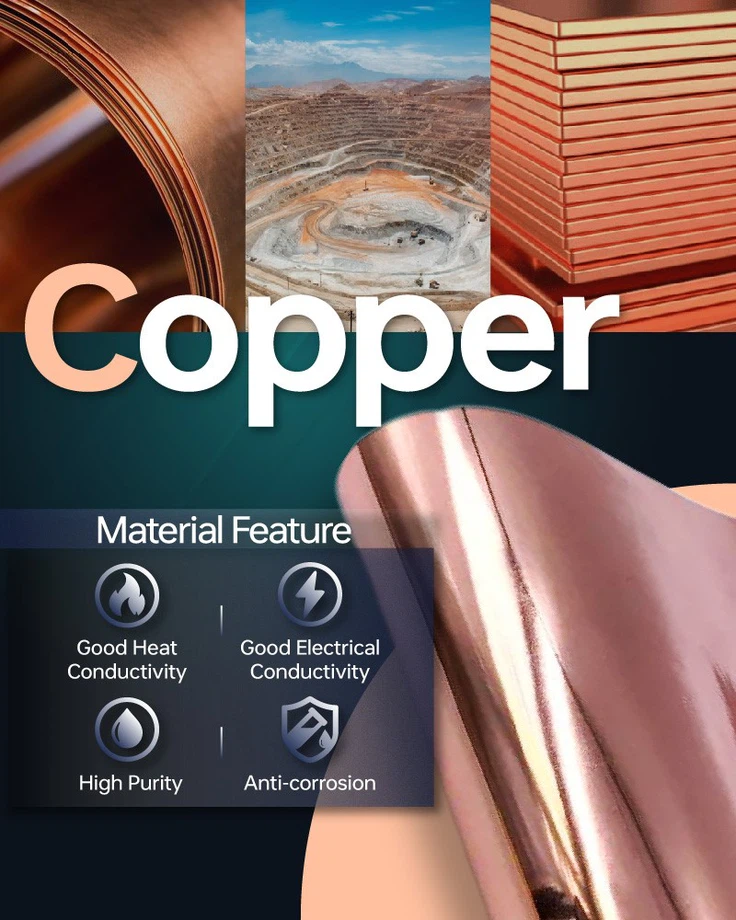
As the core of copper nickel-plated nuts, the copper matrix itself has excellent electrical conductivity, thermal conductivity and good ductility. This is also one of the core advantages of copper nickel-plated nuts that distinguishes them from nuts made of other materials. Pure copper has excellent electrical conductivity and can ensure that current flows smoothly through the nut body, which is particularly important for electrical connection scenarios that require both fastening and conductive functions. Good thermal conductivity helps to quickly dissipate heat generated by resistance or friction during equipment operation, preventing local overheating from affecting component performance. Copper's ductility allows the nut to undergo slight plastic deformation during the tightening process, better fitting the surface of the fastened part, and sometimes acting as an auxiliary seal to improve the sealing and stability of the connection. However, pure copper material also has obvious limitations. Its hardness is relatively low, and its suitability is insufficient in fastening situations that require high mechanical strength. It is also easily oxidized in the air to form a patina, which not only affects the cleanliness of the appearance but also reduces the conductive performance. This is also the core original intention of the surface nickel plating process.
manufacturing process
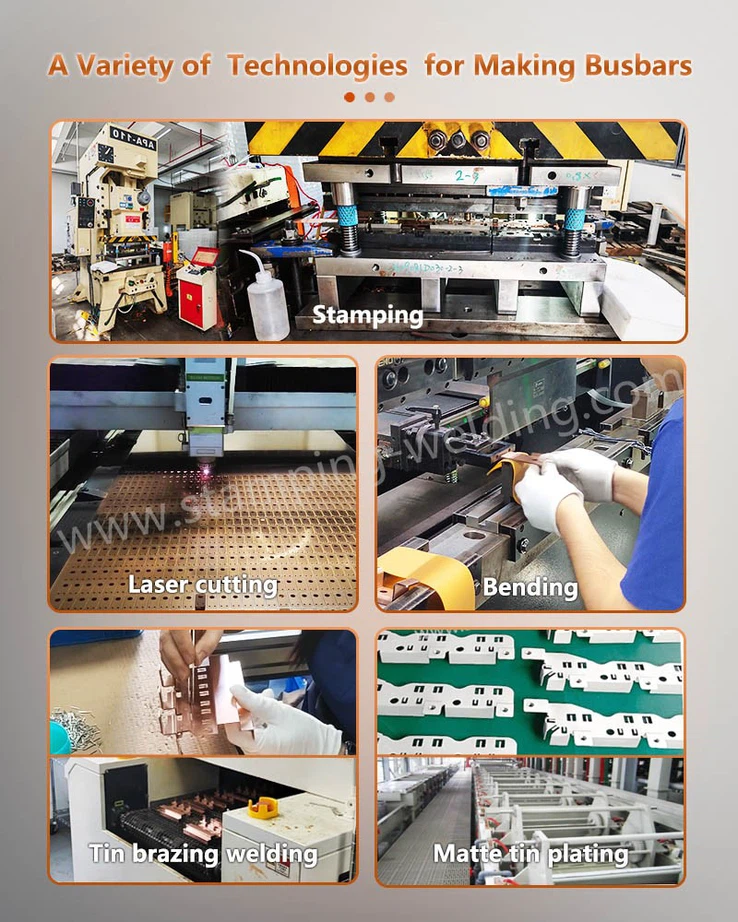
The manufacturing process of copper nickel-plated nuts mainly includes two steps: nut body processing and surface plating treatment. The forming of the nut body usually uses copper rods or copper wires as raw materials, and produces copper nut blanks with required thread specifications and outer dimensions through cold heading, hot forging or mechanical processing. Cold heading is a common method for efficient production of standard parts. The mold is used to plastically deform the metal wire at room temperature and directly formed. For special shapes or non-standard parts, mechanical processing may be used.
The processing of threads is mainly completed by tapping process, using taps to cut internal threads in prefabricated holes. Surface electroplating treatment is the core link that gives it "nickel plating" properties. Before electroplating, the copper nut must be strictly pre-treated, including oil removal, pickling, activation, etc., to completely remove oil stains, oxide scale and other impurities on the surface to ensure that the coating is firmly bonded to the substrate. The cleaned copper nut is immersed in an electroplating solution containing nickel salt, conductive salt and additives, and is energized while maintaining a specific temperature, pH and component concentration. The copper nut serves as a cathode, and nickel ions receive electrons on the cathode surface and are reduced to metallic nickel atoms and deposited layer by layer to form a coating. The coating thickness can be accurately adjusted by controlling parameters such as current density and plating time. After electroplating is completed, it needs to be cleaned, dried, and sometimes passivated to further improve corrosion resistance. This process system is highly similar to the production process of Nickel Plated Bus Bars and Nickel Plated Copper Bus Bar, both emphasizing the engineering significance of coating uniformity, bonding strength and thickness control.
The synergy of copper and nickel
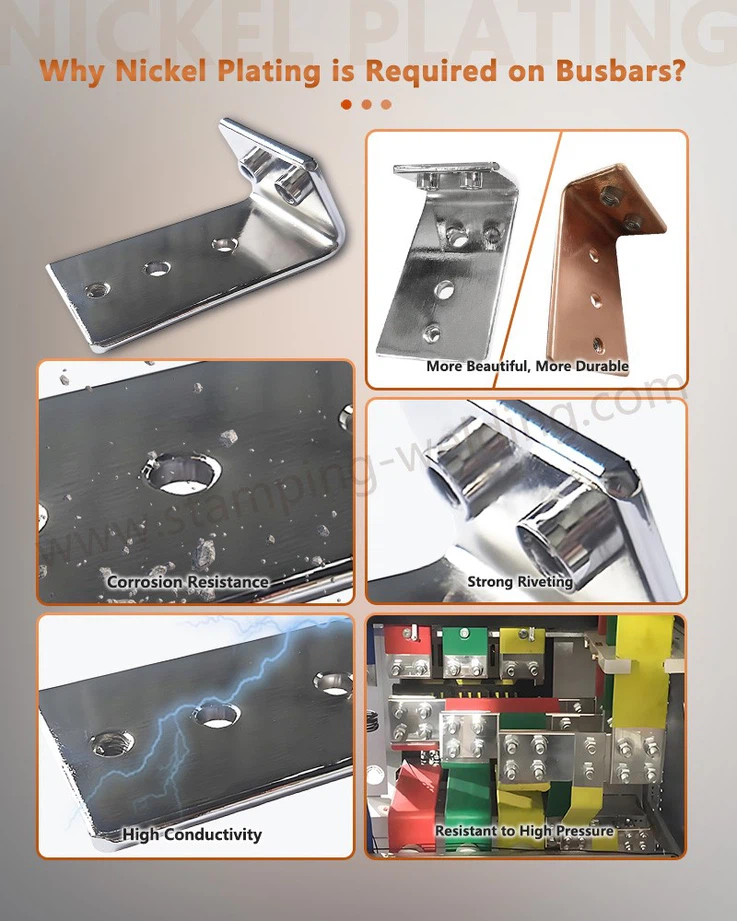
Based on the synergistic effect of the copper matrix and nickel plating, copper nickel-plated nuts exhibit distinctive performance characteristics and are suitable for a variety of specific application scenarios. In terms of electrical performance, although the conductivity of the surface nickel layer is not as good as that of the internal copper matrix, nickel itself is also a good conductor, and the plating layer is usually thin. Therefore, the overall conductivity of copper nickel-plated nuts is still better than that of many steel nuts, and can meet the conductive needs of electrical connection scenarios. This is consistent with Nickel plated Copper Bus Bar has the same electrical performance advantages; in terms of protective performance, the nickel coating can effectively resist the erosion of the atmosphere, moisture, and some weak alkalis and weak acids, firmly protect the internal copper matrix, and is suitable for a variety of complex environments; in terms of mechanical properties, the hardening effect of the nickel layer makes up for the pure The shortcoming of copper's insufficient hardness allows it to meet the strength requirements of general fasteners, taking into account fastening reliability and service life; at the same time, its silver-white nickel plating has a neat, delicate appearance and is decorative, and retains the characteristics of copper's good thermal conductivity and non-magnetic properties, further expanding its application scope.
contact us
If you need engineering drawing confirmation, sample trial production or batch supply, please contact our technical team. We will provide matching Nickel-Plated Bus Bar product solutions based on your electrical connection and fastening needs.